






On August 24, Mediterranean Shipping Company (MSC) issued a customer advisory announcing that, following a reassessment of the latest security and operating conditions in the Red Sea, it had decided to resume Suez Canal transits on selected east–west services. The adjustment covers certain Asia–Mediterranean, Asia–Northern Europe, and India–Mediterranean services, with Jade, Albatros, Himalaya, and Tiger among the first services affected. This does not represent a full resumption of Red Sea routing. MSC is adjusting routes gradually by service and voyage, with the safety of its crews, vessels, and cargo remaining its primary consideration.
Key Highlights
• Suez Canal transits: MSC has formally confirmed that selected east–west services will resume transiting the Suez Canal.
• Services affected: Certain Asia–Mediterranean, Asia–Northern Europe, and India–Mediterranean services are included in the adjustment.
• Initial services: Jade, Albatros, Himalaya, and Tiger are among the first services covered.
• Partial resumption: The adjustment is limited in scope, and MSC has not fully restored its Red Sea routing.
MSC Resumes Suez Canal Transits on Selected Services
According to MSC’s advisory, the resumption covers selected east–west services, including routes between Asia and the Mediterranean, Asia and Northern Europe, and India and the Mediterranean. Jade, Albatros, Himalaya, and Tiger are among the first services included. This means MSC has begun restoring Suez Canal routing on specific services rather than limiting such transits to individual trial voyages.
MSC has not announced a return to the Suez Canal across all of its east–west services. The company continues to emphasize the safety of its crews, vessels, and cargo and may adjust individual voyages in response to conditions in the Red Sea. The current development should therefore be viewed as a return to the Suez Canal by selected MSC services, rather than a full resumption of Red Sea routing.
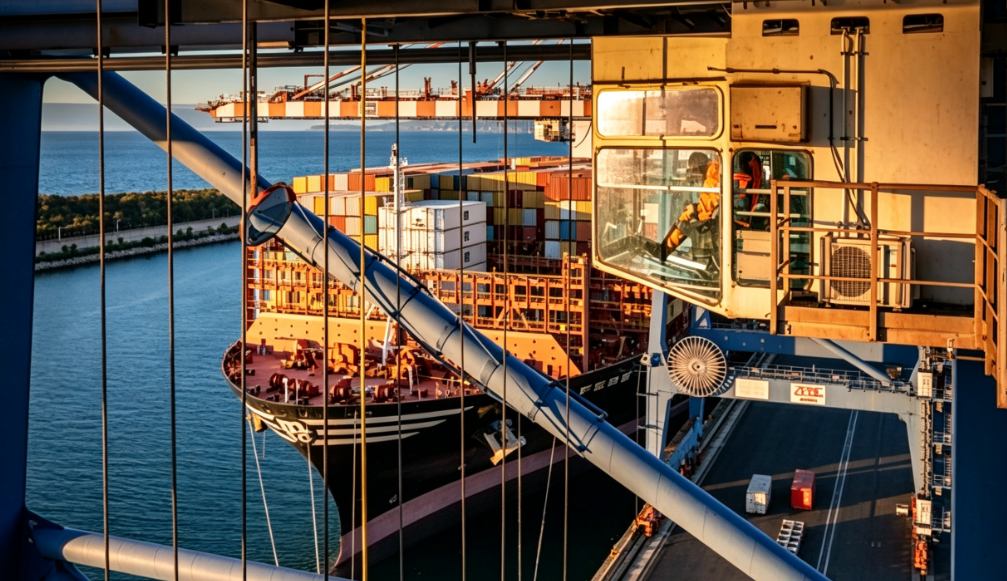
From Individual Trial Transits to Service-Level Resumption
MSC’s latest adjustment follows earlier vessel movements through the region. Before the customer advisory was issued, several MSC vessels had already been observed transiting the Suez Canal and the Bab el-Mandeb. These voyages allowed the carrier to assess current security and operating conditions in the Red Sea. The advisory indicates that the change is now extending to specific east–west services.
For Asia–Europe container services, the return of the Suez Canal as a routing option on selected services represents a shift from the long-running practice of diverting around the Cape of Good Hope. If more services return to the Suez route, shorter voyages could reduce sailing times and fuel consumption while releasing some of the effective capacity absorbed by longer diversions.
Why Is MSC Reassessing Suez Routing Now?
MSC said the decision followed a reassessment of the latest security and operating conditions in the Red Sea. However, the wording of the advisory does not suggest that the carrier considers the security risks to have disappeared. MSC continues to emphasize safety and retains the option to adjust individual voyages as conditions change. The carrier is therefore following a strategy of ongoing assessment and gradual resumption rather than returning all services at once.
From an operational perspective, routing via the Suez Canal significantly shortens the sailing distance between Asia and Europe compared with a diversion around the Cape of Good Hope. Where security conditions for a specific service are considered manageable, a return to the Suez route can reduce operating time and costs. MSC’s decision also indicates that the carrier is beginning to reassess Red Sea routing based on current security conditions after an extended period of diversion.
Red Sea Services Remain Under Review
The scope of MSC’s resumption remains limited. Attention should therefore remain on subsequent service changes rather than treating the announcement as a full restoration of Red Sea routing. Different services, and even individual voyages within the same service, may continue to use different routes. Schedules may also change in response to developments in the regional security situation.
If MSC expands the number of services transiting the Suez Canal, or if other major liner operators follow, sailing distances, schedules, fuel costs, and effective capacity on Asia–Europe container routes could change. Freight forwarders and cargo owners should monitor the routing of individual voyages, ETA and ETD updates, and the latest carrier advisories. The Suez Canal is returning as a routing option for selected liner services, but any broader resumption of Red Sea routing will continue to depend on security conditions and carriers’ operating assessments.
Sources and Disclaimer
Sources include MSC’s customer advisory, publicly available vessel-tracking information, and other industry information. This article is provided solely for reference by the international shipping, freight forwarding, and logistics industry. Specific routes and subsequent adjustments remain subject to the latest carrier advisories.
Last
Six Logistics Facilities Hit by Drone Attacks in Three Days as Ozon Facilities Catch Fire and Suspend Operations
From August 22 to 24, logistics facilities operated by major Russian e-commerce platform Ozon were affected by a series of drone a
Next
CMA CGM Invests $434 Million in Jeddah Port as Terminal 4 Is Set to Add Up to 2.6 Million TEUs of Capacity
French shipping and logistics group CMA CGM is further expanding its port infrastructure presence in the Red Sea and the Middle Ea

