






The gradual return of Red Sea services is showing another sign of recovery. On August 22, the Maersk container ships Mathilde Maersk and Bangkok Maersk both transited the Suez Canal, with Bangkok Maersk completing its first-ever passage through the waterway. As Maersk, MSC, CMA CGM, and other major liner operators gradually increase their use of Suez–Red Sea routing, some Asia–Europe container services that had been diverting around the Cape of Good Hope are beginning to return. For freight forwarders, carriers, and cross-border trading companies, changes in Suez Canal transits could directly affect transit times, schedules, and the wider ocean freight market.
Key Highlights
• Maersk transits: Two large Maersk container ships transited the Suez Canal on the same day.
• Asia–Europe services: Some Asia–Europe services are returning to Suez Canal routing.
• Other carriers: MSC and CMA CGM are also increasing their use of Red Sea routes.
• Security conditions: Any further resumption will continue to depend on developments in the Red Sea security situation.
Two Large Maersk Container Ships Transit the Suez Canal
Mathilde Maersk transited the Suez Canal first on August 22. Built in 2015, the vessel is part of Maersk’s Triple-E class and has a maximum capacity of approximately 19,000 TEUs. It was followed by Bangkok Maersk, which completed its first-ever Suez Canal transit. Built in 2025, Bangkok Maersk has a maximum capacity of approximately 17,000 TEUs and is currently deployed on Maersk’s AE7 service.
The Suez Canal Authority (SCA) said that using the Suez Canal instead of diverting around the Cape of Good Hope can shorten the voyage by approximately 14 days while reducing fuel consumption and transportation costs. For large container ships, shorter voyages can improve vessel turnaround and release some of the effective capacity absorbed by longer diversions.
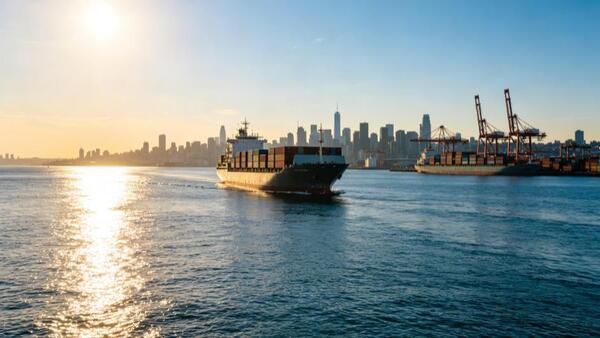
Maersk Gradually Restores Asia–Europe Services
The two transits are part of a broader adjustment to Maersk’s services. Over the past month or so, Maersk and Hapag-Lloyd have adjusted selected Gemini Cooperation services, returning some Asia–Europe routes to the Suez–Red Sea corridor. In July, the two carriers announced that the AE15 service would resume Suez Canal routing. The AE19 service returned to the Suez route on August 10.
Maersk CEO Vincent Clerc previously said that approximately one-third of the relevant traffic and services previously routed through the Suez Canal had now returned. The company is gradually making further route adjustments based on security conditions. However, carriers are still following a phased approach and have not fully resumed Red Sea transits. For freight forwarders and cargo owners, these routing changes could directly affect transit times, inventory planning, and Asia–Europe logistics costs.
MSC and CMA CGM Also Reassess Red Sea Routing
Other major liner operators are also reviewing their Red Sea service arrangements. According to industry reports, several MSC container ships have recently transited the Bab el-Mandeb. Approximately seven MSC container ships completed such voyages over the past two weeks, mainly on eastbound sailings. MSC has not announced a full resumption of Suez Canal routing and continues to take a cautious approach when vessels transit high-risk areas.
CMA CGM is also increasing its use of the Suez Canal. According to SCA data, 199 CMA CGM vessels have transited the canal so far this year, with a combined net tonnage of 25.2 million tonnes. CMA CGM said it intended to increase the number of services and vessels using the canal. These developments indicate that major container carriers are reassessing Suez–Red Sea routing to varying degrees.
Red Sea Resumption Still Depends on Security Conditions
Although Suez Canal traffic is improving, the current changes are better viewed as a gradual return rather than a full normalization. Maersk has said that route adjustments will continue to depend on security assessments. If risks in the Red Sea rise again, the company may resume diversions around the Cape of Good Hope.
Suez Canal traffic is currently recovering. On August 22, 57 vessels transited the canal, with a combined net tonnage of approximately 2.8 million tonnes. However, shipping activity in the Red Sea remains affected by security conditions and has not fully returned to normal.
For international logistics companies, the gradual return to Suez–Red Sea routing could shorten transit times, improve schedule reliability, and release effective capacity. Companies should nevertheless continue to monitor carrier advisories, route changes, and developments in the ocean freight market.
Sources and Disclaimer
Sources include the Suez Canal Authority (SCA), Maersk announcements, and other publicly available industry information. This article is provided solely for reference by the international logistics and shipping industry. Specific route arrangements remain subject to the latest carrier notices.
Last
Strait of Hormuz Shipping Costs Surge as VLCC Round-Trip Costs Rise by $20 Million
Transportation costs through the Strait of Hormuz are becoming a major concern for the international energy shipping market. Total
Next
Iran Lists 45 Vessels as Non-Compliant, Raising Strait of Hormuz Shipping Risks
On the evening of August 23, local time, the Persian Gulf Strait Authority (PGSA) published a list of 45 “non-compliant vessels.”

