




The United States has lifted security requirements that had applied for more than 12 years to vessels arriving after calls at Nigerian ports. The U.S. Coast Guard has removed the Conditions of Entry (CoE) requirements for Nigeria. Effective August 19, 2026, vessels that have recently called at the relevant Nigerian ports before proceeding to the United States will no longer be subject to the additional security measures and enhanced scrutiny previously required.
For carriers, freight forwarders, and Nigerian ports, the decision ends a long-standing compliance requirement and could reduce the inspection, documentation, and security-related costs associated with voyages to the United States.
Key Highlights
• CoE restrictions lifted: The United States has formally removed the CoE requirements for Nigeria.
• Twelve-year restriction: The measures were introduced in June 2014 and remained in place for more than 12 years.
• Vessels affected: The requirements applied to vessels sailing to the United States after calling at the relevant Nigerian ports.
• Additional measures removed: Affected vessels will no longer be required to implement the previous additional security measures or undergo enhanced scrutiny.
• Four USCG assessments: The U.S. Coast Guard conducted four assessments of Nigeria’s maritime security framework and port facilities between 2024 and 2026.
• Potential industry impact: The removal of the restrictions could reduce shipping costs and make Nigerian ports more attractive to international carriers.
Which Vessels Are Affected by the Removal of the CoE Restrictions?
The policy change could easily be misunderstood as the United States relaxing all inspections involving vessels associated with Nigeria. This is not the case. The change specifically removes the additional Conditions of Entry (CoE) security requirements previously imposed on certain vessels.
In 2014, the U.S. Coast Guard determined that some Nigerian ports were not maintaining effective anti-terrorism measures. Vessels that had recently called at the relevant Nigerian ports before sailing to the United States were therefore required to implement additional security measures and undergo enhanced scrutiny before entering U.S. waters.
The policy was based on a vessel’s previous port calls in Nigeria rather than its flag. Following the removal of the restrictions, affected vessels will no longer be subject to the additional requirements under the CoE framework. Standard port state control and security inspections, however, will remain in place.
Why Did the Security Restrictions Remain in Place for 12 Years?
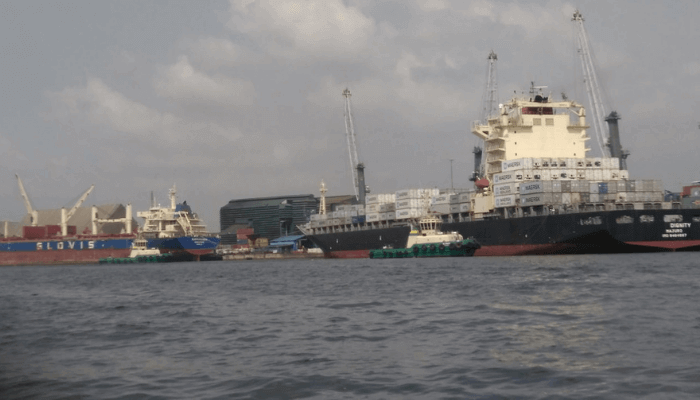
The U.S. Coast Guard initially imposed the restrictions because of concerns over anti-terrorism measures at Nigerian ports. At the time, U.S. authorities identified shortcomings in the country’s legal framework, maritime security oversight, controls governing port personnel and vessel access, and cargo handling. Additional security requirements were therefore imposed on vessels arriving from the relevant ports.
Nigeria subsequently worked to improve port security and strengthen its implementation of the International Ship and Port Facility Security (ISPS) Code. The Nigerian Maritime Administration and Safety Agency (NIMASA) also worked with the U.S. Coast Guard through multiple assessments and corrective measures aimed at supporting the eventual removal of the CoE restrictions.
The restrictions remained in place because they were tied directly to whether Nigeria’s port security framework met U.S. Coast Guard requirements, rather than being a one-time administrative measure.
What Measures Did Nigeria Take to Secure the Removal of the Restrictions?
In recent years, Nigeria has continued to strengthen port security management and has undergone U.S. Coast Guard assessments of its maritime security framework and port facilities. According to NIMASA, the U.S. Coast Guard conducted four assessments between March 2024 and April 2026, ultimately confirming that Nigerian ports were maintaining effective anti-terrorism measures.
The formal removal of the CoE requirements indicates that Nigeria’s continued improvements in port security and implementation of the ISPS Code have been recognized. For Nigeria, the decision also marks an important step in improving the international competitiveness of its ports.
How Could the Removal of the CoE Restrictions Affect Nigeria–U.S. Services?
The additional inspections, documentation requirements, and security procedures previously increased vessel operating costs and could lead to additional waiting time and schedule delays. Industry participants have long maintained that these requirements also increased transportation and insurance costs on the relevant routes.
Following the removal of the restrictions, vessels sailing to the United States after calling at Nigerian ports will no longer have to comply with the additional CoE measures. This could improve vessel operating efficiency and schedule reliability while reducing some compliance costs. The Nigerian government also expects the decision to make the country’s ports more attractive to international carriers.
For freight forwarders and trading companies, the most direct change is the removal of a long-standing additional security compliance barrier affecting services between Nigerian ports and the United States. If carriers subsequently optimize their services and port rotations, Nigerian ports could become more competitive within West Africa’s international logistics network.
Sources
Reuters, the U.S. Coast Guard (USCG), the Nigerian Maritime Administration and Safety Agency (NIMASA), and other publicly available information. This article is provided solely for reference within the international logistics and shipping industries. Specific vessel entry requirements and U.S. port oversight arrangements are subject to the latest notices issued by the relevant authorities.
Last
Maersk Fleet Tops 4.7 Million TEU as Newbuildings and Chartering Take on Greater Importance
The latest industry data show that Maersk’s operated fleet has exceeded 4.7 million TEU, moving beyond the capacity range it had m
Next
Maersk Announces Further Leadership Changes as Former CEVA Executive Is Appointed Global Head of Solutions and Two Senior Executives Prepare to Leave
Maersk has announced another significant change to its global management team. Bruno Plantaz, who has more than 20 years of experi

