




New operating patterns are emerging in Middle East crude oil transportation. According to Reuters, two major Chinese tanker operators have recently adjusted some of their vessel operations. Together, the companies control more than 100 very large crude carriers (VLCCs), which previously handled approximately half of China’s crude oil imports from the Middle East. Since late July, some VLCCs have reduced calls at loading ports inside the Persian Gulf. Instead, they have been receiving crude oil through ship-to-ship (STS) transfers in the Gulf of Oman and waters near Fujairah in the United Arab Emirates before sailing to Asia.
Key Highlights
• VLCC fleet: The two Chinese tanker operators together control more than 100 VLCCs.
• Route adjustments: Some tankers have reduced voyages through the Strait of Hormuz and the Bab el-Mandeb Strait since late July.
• New transportation model: Middle East crude oil is increasingly being carried out of the Persian Gulf by smaller tankers and transferred to VLCCs at sea.
• New STS locations: The Gulf of Oman and waters near Fujairah are emerging as new locations for crude oil transfers.
• Higher transfer volumes: Related STS volumes in the Gulf of Oman exceeded 600,000 barrels per day in June and July.
• VLCC earnings: Daily earnings on the Oman–China VLCC route are approximately USD 140,000.
Why Are Operators Controlling More Than 100 VLCCs Changing Some Loading Arrangements?
Crude oil shipped from the Middle East to China and other Asian markets has traditionally been loaded onto VLCCs at ports inside the Persian Gulf before the vessels sail through the Strait of Hormuz toward their destinations. This established transportation model is now being adjusted.
According to vessel-tracking data and industry sources, some tankers operated by China Merchants Energy Shipping (CMES) and COSCO SHIPPING Energy Transportation (CSET) have reduced voyages through the Strait of Hormuz and the Bab el-Mandeb Strait since late July. This does not mean that Middle East crude oil transportation has stopped. The VLCCs remain in operation, but their loading locations and transportation arrangements have changed.
Some operations now follow a relay model. Smaller shuttle tankers first carry crude oil out of the Persian Gulf and then transfer it to VLCCs through STS operations in areas such as the Gulf of Oman. This allows VLCCs to receive cargo outside the Persian Gulf instead of entering the Gulf to load under the traditional model, after which they continue the long-haul voyage.
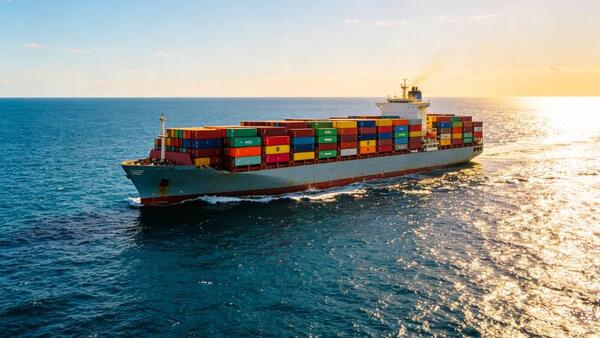
How Does the STS Transfer Chain from the Persian Gulf to the Gulf of Oman Work?
The key element is STS, or ship-to-ship transfer. VLCCs have not stopped participating in Middle East crude oil transportation. Instead, loading arrangements previously completed at ports inside the Persian Gulf have been reorganized into separate stages.
Under some of the new arrangements, smaller tankers provide short-haul shuttle services, carrying crude oil out of the Persian Gulf. The smaller tanker and a VLCC then come alongside for the cargo transfer in the Gulf of Oman or waters near Fujairah in the United Arab Emirates. Once the transfer is completed, the VLCC carries the crude oil over the longer distance to China or other Asian destinations.
This model adds an offshore transfer stage but allows VLCCs to spend less time in certain sensitive waters. For VLCCs transporting large volumes of crude oil, the combination of short-haul transportation inside the Gulf, STS transfers at sea, and long-haul shipping also provides greater operational flexibility.
Why Have STS Transfers in the Gulf of Oman Increased Significantly?
The change is already reflected in offshore transfer data. In June and July, STS volumes in the Gulf of Oman involving vessels from China and Hong Kong increased significantly, exceeding 600,000 barrels per day. During the first few months of 2026, this type of activity remained relatively limited.
Waters near Omani ports and Fujairah in the United Arab Emirates are also becoming new locations for crude oil transfers. As more cargo is transferred through STS operations at sea, the Gulf of Oman is playing a larger role in the Middle East crude oil transportation chain.
Middle East crude oil transportation has not stopped but is being reorganized. The previous model, under which VLCCs sailed directly into the Persian Gulf to load, is partly shifting to one in which smaller tankers provide regional shuttle services before transferring the cargo to VLCCs for the long-haul voyage.
Why Are VLCC Earnings Rising Despite the Additional Transportation Stage?
The more complex transportation chain increases waiting time, vessel coordination requirements, and the cost of offshore cargo transfers. However, VLCC earnings remain high. Daily earnings on the Oman–China VLCC route currently stand at approximately USD 140,000, significantly higher than the pre-conflict level of approximately USD 30,000 to USD 40,000 per day.
For shipowners, although the additional STS stage brings further operational requirements, higher market earnings may still cover the extra costs. The route adjustments also show that shipowners are changing loading locations and vessel deployment to find a new balance between risk and operational efficiency.
A new operating chain is taking shape in Middle East crude oil transportation, with smaller tankers carrying crude oil out of the Persian Gulf before transferring it to VLCCs at sea in the Gulf of Oman. Commercial shipping through the Strait of Hormuz remains operational, but some Chinese VLCCs have adjusted how they receive cargo. If this model continues to expand, the Gulf of Oman and waters near Fujairah could play a greater role in energy transportation to Asia.
Sources
This article is based on information from Reuters, vessel-tracking data, corporate disclosures, and other publicly available sources. It is provided solely for reference within the international logistics and shipping industries. Specific vessel operations, routes, and cargo arrangements are subject to the latest information from the relevant shipowners and the market.
Last
Maersk Announces Further Leadership Changes as Former CEVA Executive Is Appointed Global Head of Solutions and Two Senior Executives Prepare to Leave
Maersk has announced another significant change to its global management team. Bruno Plantaz, who has more than 20 years of experi
Next
Black Sea Shipping Risks Escalate as Bulk Carrier Is Attacked by Five Drones and Five Grain Vessels Are Targeted in a Series of Attacks
Security risks to commercial shipping in the Black Sea continue to rise. On August 17, local time, the Liberian-flagged bulk carri

