



On the evening of August 3, a maritime security incident occurred along a key shipping route in the Middle East. According to an official notice issued by the United Kingdom Maritime Trade Operations (UKMTO), a merchant vessel transiting near the eastern entrance of the Strait of Hormuz was struck by an unidentified projectile. Security conditions in the strait remain tense. This article outlines the incident and provides operational risk-control recommendations for Middle East routes.
Key Highlights
• Maritime incident: A merchant vessel was struck by an unidentified projectile near the eastern entrance of the Strait of Hormuz.
• Latest update: UKMTO has issued a regional navigation alert, advising vessels to exercise caution while transiting the area.
• Heightened regional risk: Several vessel-related security incidents, including an explosion near an LNG carrier, have recently occurred off the coast of Oman.
• Industry impact: A key global energy shipping route remains under pressure, while geopolitical risks on Middle East routes are becoming more persistent. Freight forwarders should take preventive measures in advance.
Merchant Vessel Attacked and Distress Transmission Reported
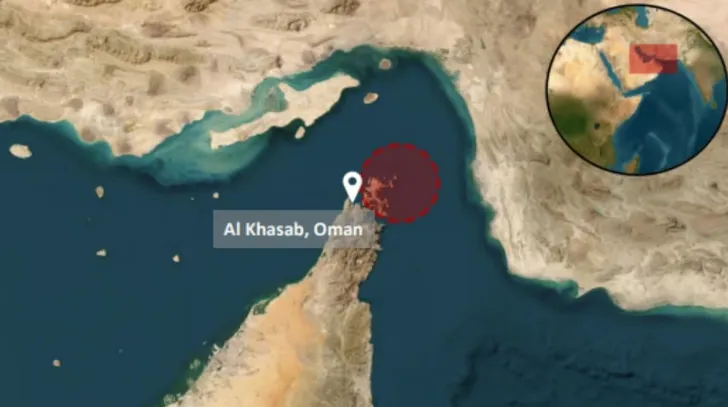
According to a UKMTO maritime notice, at 22:10 UTC on August 3, or around 06:00 Beijing time on August 4, a merchant vessel was struck by an unidentified projectile approximately 20 nautical miles northeast of Khasab, Oman, near the eastern entrance of the Strait of Hormuz. Maritime authorities subsequently received a distress transmission over VHF radio that had been relayed by military authorities.
UKMTO has not disclosed the name of the vessel or whether there were any casualties. The source of the projectile remains under investigation.
Following the incident, UKMTO issued a security alert advising vessels transiting the Strait of Hormuz and the Gulf of Oman to maintain a heightened lookout, navigate with caution, and immediately report any suspicious objects or unusual activity.
Repeated Incidents Increase Risks in the Gulf of Oman
The latest attack was not an isolated incident. Several maritime security incidents have recently occurred in the Strait of Hormuz and along shipping routes off the coast of Oman, with regional risks continuing to rise.
UKMTO previously reported an explosion near an LNG carrier off the coast of Oman. No injuries were reported, the vessel remained stable, and no cargo leakage occurred.
These incidents have been concentrated along major shipping lanes on the Omani side of the region, which are frequently used by vessels transiting Middle Eastern waters. UKMTO has issued a series of regional warnings, advising vessels to closely monitor geopolitical developments and exercise caution when planning their transit. The area remains subject to heightened shipping risk controls.
Pressure Builds on a Key Global Energy Shipping Route
The Strait of Hormuz connects the Persian Gulf with the Gulf of Oman and is one of the world’s main energy shipping routes. More than one-third of the world’s seaborne crude oil, together with significant volumes of LNG and bulk commodities from the Middle East, passes through the strait. Developments in the area directly affect international energy prices and global supply chain stability.
In recent years, continued geopolitical tensions have led to repeated incidents involving attacks on merchant vessels, drone activity near vessels, and explosions at sea. Although navigation through the strait has not been completely disrupted, shipowners, charterers, and marine insurers have tightened their risk-assessment requirements.
In response to geopolitical risks on Middle East routes, many carriers are adjusting sailing plans and transit schedules, while some vessels are considering or adopting alternative routes. These measures have directly increased marine insurance premiums and cross-border logistics costs.
Across the wider region, the Red Sea, the Strait of Hormuz, and the Gulf of Aden are all facing increased pressure. Shipping risks in Middle Eastern waters are becoming more widespread and persistent, significantly increasing uncertainty for international trade and logistics operations.
Operational Alerts and Recommended Actions for Freight Forwarders and Trading Companies
Given the current security situation along Middle East shipping routes, logistics companies and cargo owners operating in the region should strengthen preventive risk controls.
Companies should closely monitor UKMTO navigation warnings for the Strait of Hormuz and developments in the regional geopolitical situation, and avoid transiting the strait during higher-risk periods where possible.
Freight forwarders should confirm sailing arrangements with carriers in advance, including whether vessels will be rerouted and whether additional war-risk insurance is required.
Booking and shipment plans should be adjusted as conditions change, with sufficient time allowed for possible schedule delays and temporary port changes.
Companies should also monitor vessel transit status and coordinate customs clearance and cargo collection arrangements at destination ports in a timely manner to reduce the risk of delivery delays and additional logistics losses and costs caused by unexpected incidents.
Sources
United Kingdom Maritime Trade Operations (UKMTO), CCTV News, and publicly available international maritime information
Timeliness Note
As of August 5, 2026, the risk warning for the Strait of Hormuz remains in effect, and strict regional shipping controls remain in place.
Disclaimer
The information in this article is sourced from publicly available channels and is provided solely for industry reference. It does not constitute commercial advice, logistics operating guidance, or navigational guidance.
Last
17 Empty Containers Lost Overboard off Sri Lanka as Navigation Risks Rise During the South Asian Monsoon Season
On August 1, the Maldives-flagged general cargo vessel MSS Grapheneencountered severe sea conditions west of the Port of Colombo,
Next
August 2026 Update on the Strait of Hormuz and Red Sea Routes: Limited Resumption, but Risks Remain
Ship-to-ship transfer activity near the Strait of Hormuz has increased sharply, while two Saudi oil tankers have transited the Bab