




Long-stay containers totaling 9,330 TEUs are occupying 22% of the yard capacity at Chittagong Port, while more than 600 unresolved legal cases are delaying the disposal of affected cargo. Slow customs approvals, legal disputes, and lengthy abandoned-cargo procedures have contributed to clearance delays and rising demurrage and storage charges, continuing to push up logistics costs on Bangladesh routes. This article reviews the causes of the backlog and the recommended operational response.
Key Highlights
• Backlog volume: Long-stay containers occupy more than one-fifth of the port’s yard capacity, placing continued pressure on port operations.
• Main issue: Customs valuation reviews take considerable time, while demurrage charges begin shortly after arrival, adding to companies’ logistics costs.
• Legal bottleneck: More than 600 cargo-related cases remain unresolved, preventing affected containers from being auctioned or released.
• Industry impact: Delayed cargo collection, tied-up funds, cargo damage, and depreciation are increasing uncertainty in both transit times and costs on Bangladesh routes.
Customs Clearance Times and Demurrage Charges Create a Cost Gap
According to public comments from the Chittagong Chamber of Commerce and Industry (CCCI), routine customs valuation and review of imported cargo generally takes eight to ten days. However, port demurrage charges usually begin four days after the cargo arrives.
This timing gap means that many compliant companies incur substantial demurrage and storage charges while waiting for customs clearance, adding to their logistics costs.
Prolonged clearance delays also tie up working capital and may disrupt supplies of imported raw materials and production inputs. Some cargo stored for extended periods has depreciated or suffered moisture damage and physical deterioration.
Across cross-border logistics chains, customs clearance efficiency directly affects cargo collection, container turnaround, and final delivery times. Continued backlogs may therefore cause further delays throughout the supply chain.
Legal Proceedings Prevent the Release and Auction of Long-Stay Containers
Compared with routine clearance delays, unresolved legal proceedings are the main obstacle to clearing the current backlog.
According to Chittagong Customs spokesperson Sharif Al Amin, more than 600 cargo-related court cases are currently pending. Large numbers of containers involved in litigation, regulatory investigations, and valuation disputes cannot be released or put up for auction.
Under local procedures, the disposal of long-stay cargo requires public notice, inventory checks, value reassessment, approval from multiple authorities, and an online auction. Combined with lengthy court proceedings, these requirements have left large numbers of containers at the port for extended periods and prevented the release of yard space.
Some cargo has reportedly remained in the port yard for as long as 23 years and has deteriorated. The affected cargo includes hazardous chemicals. Long-term outdoor storage increases the risk of fire and explosion within the port area and may also create risks related to smuggling and regulatory loopholes.
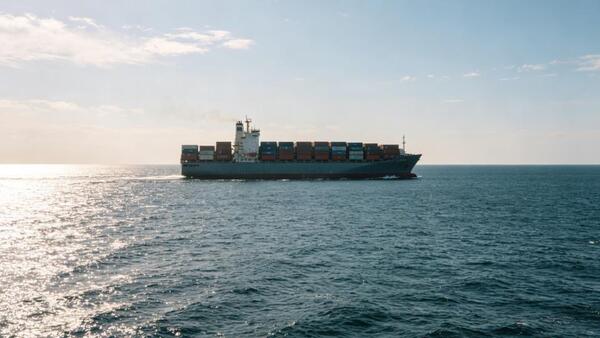
Port Backlog Continues to Affect Supply Chains on Bangladesh Routes
As Bangladesh’s primary maritime gateway, Chittagong Port handles most of the country’s import and export cargo. Congestion at the port therefore affects the wider supply chain.
Long-stay containers reduce available yard capacity and disrupt shipment planning for freight forwarders and trading companies. Cargo collection times become difficult to predict, warehousing schedules are disrupted, container turnaround slows, and subsequent booking and transportation plans may require repeated adjustments.
Manufacturers in Bangladesh that depend on imported raw materials are particularly exposed. Extended cargo delays may interrupt production, postpone order fulfilment, and increase supply chain uncertainty.
Local authorities are working to clear the existing backlog. However, regulatory requirements, legal proceedings, and administrative procedures mean that the situation is unlikely to be fully resolved in the short term.
Operational Alerts and Recommended Actions for Freight Forwarders and Trading Companies
The backlog at Chittagong Port is likely to persist. Companies operating on China–Bangladesh routes should assess possible customs clearance delays and demurrage costs before shipment and allow sufficient time in their logistics plans.
Bangladesh import declaration documents should be checked carefully for accuracy to reduce the risk of valuation disputes and additional customs inspections.
Companies should also monitor progress in clearing the port backlog and adjust booking, cargo collection, and warehousing arrangements as conditions change to reduce additional costs and the risk of late delivery or failure to meet contractual obligations.
Sources
The Business Standard, Chittagong Port Authority, and publicly available information from the Chittagong Chamber of Commerce and Industry
Timeliness Note
The main data is current as of June 30, 2026. The backlog at the port remains ongoing, and any subsequent progress in disposing of the affected cargo will be subject to the latest official announcements.
Disclaimer
The information in this article is sourced from publicly available channels and is provided solely for industry reference. It does not constitute commercial advice or logistics operating guidance.
Last
Tensions Ease as Iran-Oman Talks on Navigation Through the Strait of Hormuz Make Progress, Potentially Reducing Shipping Risks in the Middle East
On August 4, local time, tensions surrounding the Strait of Hormuz showed signs of easing. Talks between Iran and Oman on navigati
Next
CNC URANUS Grounds at Chittagong After Striking a Navigation Mark; China-Bangladesh Schedules Require Attention
CNC URANUS, operated by CMA CGM’s CNC Line, grounded while entering the Port of Chittagong after losing steering control and strik

