




Evergreen Marine has announced new acceptance requirements for shipper-owned containers (SOCs), including a restricted list of high-risk container number prefixes. Non-compliant SOCs will be rejected. This article explains the latest SOC compliance policy introduced in August 2026, the carrier’s risk-control considerations, and the recommended operational response for freight forwarders.
Over the past two years, compliance controls across the global shipping industry have continued to tighten. Major carriers have upgraded their risk-control systems throughout the shipping process, with compliance reviews expanding from conventional cargo screening to container ownership and sourcing.
SOCs often involve long ownership chains and multiple related parties, making compliance risks difficult to identify. They have therefore become a key area of the latest shipping compliance controls. In August 2026, Evergreen Marine formally implemented new SOC control requirements. Through a restricted-prefix list and enhanced due diligence, the carrier has tightened its SOC acceptance criteria and raised the compliance requirements for SOC shipments. Trading companies and freight forwarders will need to strengthen compliance checks during booking and container sourcing.
Key Highlights
• New requirements: Evergreen Marine has tightened its SOC acceptance criteria, introduced a restricted-prefix list, and will reject non-compliant shipper-owned containers.
• Expanded compliance checks: Reviews cover the container owner’s qualifications, ownership structure, and place of registration to identify sanctions exposure.
• Clear restrictions: Containers linked to high-risk sanctioned countries or regions, and business involving sanctioned parties, are prohibited.
• Industry development: Carrier compliance checks are expanding from cargo screening to container-source reviews, with SOC compliance controls becoming stricter.
Key Changes to Evergreen Marine’s SOC Requirements
The new requirements focus on sanctions compliance and establish two mandatory review standards.
First, business with individuals or entities on international sanctions lists is strictly prohibited. Evergreen Marine will also reject all business involving companies that are at least 50% owned or directly controlled by sanctioned parties.
Second, all SOC bookings must undergo due diligence in advance to verify container ownership and compliance. Containers linked to companies registered in high-risk jurisdictions are not permitted.
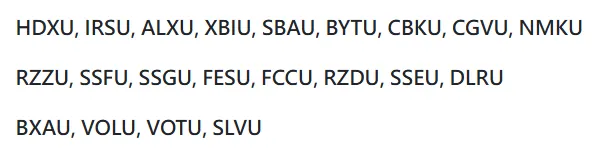
Evergreen Marine has also published a restricted list of SOC container number prefixes, as shown in the accompanying image. The list will be updated periodically, and the latest acceptance requirements should be confirmed before shipment.
Why Carriers Are Strengthening SOC Risk Controls
SOCs are widely used in international shipping because they offer flexibility in container positioning, help ease equipment shortages, and reduce logistics costs. However, SOC arrangements involve multiple parties, including container owners, container leasing companies, cargo owners, and carriers. This makes ownership structures complex and related risks more difficult to identify.
As shipping compliance requirements tighten, carrier reviews are no longer limited to cargo and customers. Container ownership, transaction parties, and payment flows are also being brought within the scope of compliance checks.
To avoid penalties arising from cross-border sanctions, major carriers are extending compliance checks to the source of container equipment. Detailed SOC screening has become a standard industry practice.
SOC Shipping Enters a Stricter Compliance Phase
In the past, companies selecting SOCs often focused on cost and transit time while paying limited attention to container compliance. As international trade rules tighten, SOC equipment screening has become a key part of carrier compliance management.
Evergreen Marine’s restricted-list approach reflects the industry’s move toward standardized SOC risk screening. Informal operating practices are becoming less viable, while compliance requirements continue to rise.
Industry Outlook
Evergreen Marine’s latest SOC requirements are not an isolated case but reflect the broader tightening of compliance controls across the global shipping industry.
As international trade regulations continue to tighten, more major carriers are expected to introduce restrictions on SOC sources. SOCs will continue to offer flexibility, efficiency, and lower costs, but the period of loosely controlled operations is coming to an end, and compliance requirements will continue to rise.
Trading and logistics companies should incorporate container-source compliance into routine supply chain management, establish access to compliant container sources in advance, reduce the risk of booking rejection, and maintain stable shipment arrangements.
Sources
Evergreen Marine’s official notice, Xinde Marine News, and Sina Finance
Timeliness Note
As of early August 2026, the new SOC restrictions remain in force. Any subsequent changes to the restricted list will be subject to Evergreen Marine’s latest announcement.
Disclaimer
The information in this article is sourced from publicly available channels and is provided solely for industry reference. It does not constitute commercial advice or logistics operating guidance.

Last
MSC Seeks USD 230,000 from Shipper Over Container Fire as Compliance Requirements Tighten for Electric Vehicle Shipments
Compliance controls across the global shipping industry continue to tighten, with carriers taking stronger action against shippers
Next
17 Empty Containers Lost Overboard off Sri Lanka as Navigation Risks Rise During the South Asian Monsoon Season
On August 1, the Maldives-flagged general cargo vessel MSS Grapheneencountered severe sea conditions west of the Port of Colombo,

