




Introduction: The global ocean shipping supply chain is facing another major crisis. Shipping risks in the Strait of Hormuz remain unresolved, while tensions in the Red Sea have escalated sharply again, making the region one of the most vulnerable links in global shipping. According to a Reuters report published on July 16, Iran has issued a strong warning that if the US military continues its strikes and targets Iran’s power infrastructure, the potential blockade could expand from the Strait of Hormuz to Red Sea routes. Meanwhile, Iran’s ally, the Houthi movement in Yemen, has reportedly completed its military preparations and could close the Bab el-Mandeb Strait at any time. The combined risk of blockades in the Strait of Hormuz and the Red Sea could trigger substantial volatility in Asia–Europe freight rates and Middle East sailing schedules. Foreign trade companies and cross-border freight forwarders should prepare for a new round of logistics disruption.
Two Critical Shipping Corridors under Pressure: Strait of Hormuz Remains Unstable as Bab el-Mandeb Faces Renewed Blockade Risk
The greatest logistics threat in the Middle East is no longer congestion or disruption affecting a single shipping corridor. The Strait of Hormuz and the Bab el-Mandeb Strait in the Red Sea, two major shipping and energy arteries, are now under pressure at the same time.
Repeated attacks and navigational disruption in the Strait of Hormuz have already affected global crude oil transportation and container shipping schedules. The renewed risk of a blockade in the Bab el-Mandeb Strait now creates a high-risk situation on two fronts, presenting one of the most serious threats to Asia–Europe cross-border ocean shipping in recent years.
As one of the world’s most important maritime chokepoints, the Bab el-Mandeb Strait connects the Red Sea with the Gulf of Aden. It is a critical passage for Asia–Europe ocean shipping and energy transportation, directly linking the shipping networks of the Mediterranean Sea, the Atlantic Ocean and the Indian Ocean.
Public industry data indicates that approximately 7% of global oil trade, together with substantial volumes of China–Europe containerized cargo and general foreign trade cargo, passes through the Bab el-Mandeb Strait. It is therefore a critical artery for global energy trade and Asia–Europe cross-border logistics.
Iran has stated that the Bab el-Mandeb Strait would be a primary countermeasure if the situation escalates, and a possible blockade is reportedly under consideration. According to the latest reports, the main trigger would be a US strike on infrastructure within Iran. The Houthi movement has reportedly completed missile and drone deployments around the Bab el-Mandeb Strait and is prepared to carry out a closure operation.
Together with previous Houthi pledges to retaliate against Saudi military action, several potential triggers are now present, placing the corridor at an extremely high level of risk.
If the Bab el-Mandeb Strait is closed while stable navigation through the Strait of Hormuz has not yet resumed, two of the world’s major energy shipping corridors could be disrupted simultaneously. International oil prices could rise to as much as USD 200 per barrel, while the impact on Asia–Europe freight rates, sailing schedules and foreign trade shipments could far exceed that of disruption affecting a single corridor.
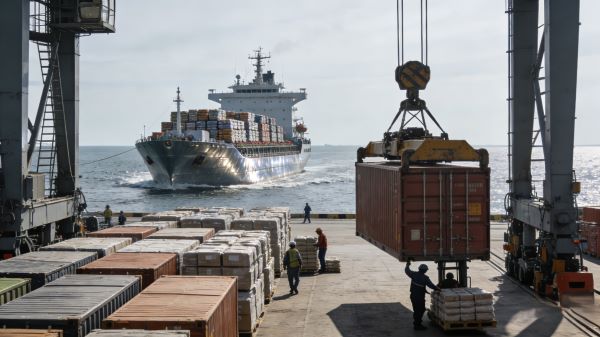
Saudi Arabia’s Shipping Strategy under Threat: More than 70% of Crude Oil Exports Shifted to the Red Sea, Concentrating Risk
To reduce exposure to a possible closure of the Strait of Hormuz, Saudi Arabia had already begun shifting the focus of its crude oil exports towards Red Sea routes. However, this strategy has also created a major vulnerability by concentrating export risk in one corridor.
According to shipping data from Kpler and Signal Ocean, more than 70% of Saudi Arabia’s conventional crude oil exports have been redirected to the Red Sea port of Yanbu since tensions and navigational risks increased in the Strait of Hormuz, substantially changing the country’s previous energy export structure.
Following the shift, cargo throughput at Yanbu has risen sharply. Recent average crude oil shipments have reached approximately four million barrels per day, several times the 973,000 barrels per day recorded during the same period last year.
Reuters has also reported that Saudi Arabia is planning to expand crude oil pipelines along the Red Sea coast to further increase its energy export capacity through the region. This would deepen its dependence on Red Sea shipping and further concentrate Saudi crude oil export risk around the safety of navigation through the Bab el-Mandeb Strait.
This means that most Saudi crude oil exports are now dependent on the Red Sea. If a blockade of the Bab el-Mandeb Strait takes effect, Saudi Arabia could lose access to both the Strait of Hormuz and the Red Sea, bringing its crude oil exports close to a complete halt.
The resulting expansion of the global crude oil supply gap could cause severe disruption across the energy and cross-border logistics markets.
Previous Red Sea Risks Return: Current Situation More Severe than in 2023
This is not the first time the Red Sea shipping corridor has faced a crisis. The Houthi movement has previously carried out attacks that disrupted navigation, while the current level of risk and potential industry impact are significantly greater than before.
Following the outbreak of the Gaza conflict in October 2023, the Houthi movement launched multiple drone and missile attacks against international commercial vessels in the Red Sea, stating that the actions were intended to support Palestine.
The attacks caused widespread concern across the global shipping industry and severe disruption to Red Sea routes. Major shipping companies, including Maersk and Hapag-Lloyd, announced the suspension of Red Sea transits, forcing vessels operating on Asia–Europe routes to divert around the Cape of Good Hope.
The diversions substantially extended voyage distances and increased fuel and logistics operating costs. They also caused major delays on Asia–Europe routes and sharp increases in cross-border freight rates, significantly affecting foreign trade shipments and freight forwarding operations.
Attacks on commercial vessels in the Red Sea did not fully cease until the Gaza ceasefire agreement took effect in October last year, after which the shipping market gradually began to recover.
The industry had expected Red Sea shipping to return gradually to normal. However, the Houthi movement issued another restriction last month, announcing that vessels associated with Israel would be prohibited from transiting the Red Sea. Although the restriction has not yet been implemented, navigational risks have already increased.
Maersk and Hapag-Lloyd had only recently begun cautiously restoring selected Red Sea services when the latest blockade threat emerged.
The key difference in the current situation is that the 2023 Red Sea crisis involved risk in only one shipping corridor. At that time, navigation through the Strait of Hormuz remained open, Gulf oil exports continued normally and the market retained sufficient capacity to absorb part of the disruption.
Today, risks in the Strait of Hormuz remain unresolved while the Bab el-Mandeb crisis has re-emerged. The combination of two simultaneous shipping threats leaves the market with little room to absorb further disruption. The impact on global ocean shipping, energy trade and Asia–Europe cross-border logistics could therefore be substantially greater.
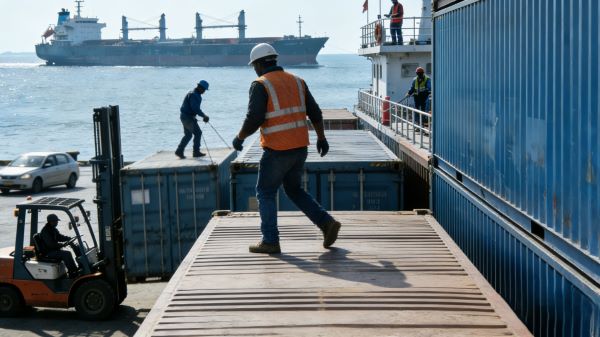
Operational Alerts and Recommended Actions for Freight Forwarders and Foreign Trade Companies: Three Clear Risks Require Immediate Adjustments to Quotation and Shipping Strategies
The dual-corridor crisis in the Middle East has undermined expectations of a rapid recovery in Red Sea and Middle East shipping.
Uncertainty across Asia–Europe, Red Sea and Middle East routes continues to rise. These are long-term structural risks rather than short-term market fluctuations and will have a direct impact on freight forwarder quotations, foreign trade shipment planning and cross-border logistics arrangements.
1. Red Sea Service Recovery at Risk, with Routes Facing Another Possible Suspension
Red Sea services only recently restored by major shipping companies may again face suspension, port omissions and emergency diversions.
If the situation around the Bab el-Mandeb Strait escalates and a blockade is imposed, major carriers such as Maersk and Hapag-Lloyd are likely to suspend Red Sea transits again, forcing vessels operating on Asia–Europe routes to divert around the Cape of Good Hope.
Longer voyages, higher logistics costs and recurring schedule delays could return. Asia–Europe freight rates, which had been gradually recovering, may stabilize and rise quickly, triggering a new period of freight rate volatility.
2. Severe Freight Rate Volatility Requires Greater Flexibility in Quotation Strategies
The Strait of Hormuz and the Red Sea, two of the world’s most important shipping corridors, are both currently exposed to high levels of risk.
Any change in either location could cause sharp fluctuations in freight rates on Asia–Europe and Middle East routes, leaving market conditions highly unstable.
Cross-border freight forwarders specializing in Middle East, Red Sea and Asia–Europe routes are advised to shorten quotation validity periods substantially and allow sufficient room for risk premiums.
This can reduce the risk of quotations falling below actual costs following sudden market changes, prevent profit losses and limit exposure when accepting bookings and arranging shipments.
3. Closely Monitor Saudi–Houthi Tensions and Key Developments
Tensions between Saudi Arabia and the Houthi movement continue to escalate. The four-year ceasefire between the two sides has reportedly broken down, while fighting has resumed along Saudi Arabia’s southern border.
The outcome of this confrontation will directly affect navigational safety in the Bab el-Mandeb Strait and will be a key indicator of future Red Sea shipping conditions and Asia–Europe freight rate movements.
Cross-border logistics companies should treat the situation as a priority for daily monitoring, assess the risk of service suspensions and sudden freight rate increases in advance, and adjust customer shipment plans and route arrangements accordingly.
Industry Summary: The Red Sea Becomes a New Core Area of Global Shipping Risk
Shipping risks in the Strait of Hormuz remain unresolved, while the renewed crisis in the Bab el-Mandeb Strait has placed two major Middle Eastern corridors at the centre of global shipping risk.
Compared with previous disruption affecting only one route, the current combination of two possible blockades places global energy supply and Asia–Europe cross-border ocean supply chains in one of their most vulnerable positions in recent years. A restructuring of the shipping market has become increasingly likely.
For cross-border freight forwarders and foreign trade companies, the Red Sea can no longer be regarded as a consistently stable shipping corridor. It has become a second major potential source of shipping disruption after the Strait of Hormuz.
In the short term, freight rates and sailing schedules on Asia–Europe routes are likely to remain volatile and disrupted.
In the longer term, Middle East shipping practices, global supply chain arrangements and cross-border logistics cost structures may undergo substantial restructuring.
Companies operating on Middle East, Red Sea and Asia–Europe routes should exercise caution when planning shipment schedules, closely monitor developments and adjust quotation and shipping strategies as conditions change to reduce exposure to the current systemic ocean shipping risks.
Sources: Reuters, Xinhua News Agency, gCaptain, Kpler and Signal Ocean
Disclaimer: The content and data in this article are sourced from publicly available authoritative channels and are provided for industry information only. They do not constitute commercial advice or operational guidance for logistics activities.
Last
Maersk Commits USD 100 Million to Inland Logistics: New Boston Fulfillment Center to Reshape End-to-End Logistics on US Trades
Introduction:Maersk is stepping up its investment in inland logistics. On July 15, the company officially announced plans to inves
Next
Cargo in the East, Capacity in the West: Five European Carriers Control More than Half of Global Container Shipping Capacity in 2026
Introduction:The global shipping market presents a striking imbalance. Asia is home to the world’s core manufacturing capacity, le

