




1. What is a Telex Release Bill of Lading?
A telex release bill of lading is a type of bill of lading where the carrier, upon receiving instructions from the shipper, authorizes the release of goods at the destination port without the physical presentation of the original bill of lading. This method simplifies the delivery process, particularly when time is of the essence in international sea freight.
2. Who are the Involved Parties?
· Shipper: The shipper is the entity that initiates the telex release request. They are in a precarious position as they must ensure they have secure payment arrangements with the consignee before opting for a telex release. However, if payment has already been received, the shipper’s risk is significantly reduced. Shippers are also duty-bound to provide accurate and detailed information about the goods. This includes aspects such as the nature of the goods, quantity, weight, and any special handling requirements. For example, if shipping fragile items, the shipper must clearly indicate the need for careful handling.
· Carrier: The carrier plays a crucial role in implementing the telex release. They are required to verify the authenticity of the shipper's instructions meticulously. This verification process may involve cross-checking with internal databases, communicating with the shipper's representative, and ensuring that all terms and conditions of the original contract of carriage are still met. The carrier is still responsible for the safe transportation of the goods, from the port of loading to the port of discharge. In case of any damage or loss during transit, the carrier may be held liable, subject to the terms of the original bill of lading. For instance, if the carrier fails to maintain proper storage conditions for temperature-sensitive goods, they could be accountable for any spoilage.
· Consignee: The consignee benefits from the expedited delivery process enabled by the telex release. However, they must be prepared to comply with the carrier's requirements for claiming the goods. This may include presenting additional documentation such as a copy of the commercial invoice, packing list, and in some cases, signing an indemnity agreement. This is typically required when the consignee is not a trusted business partner of the carrier or when no original bill of lading is available for surrender. The consignee should also be aware of their responsibilities regarding import regulations and any potential liabilities associated with the telex release.
3. What Does the Fee Composition Entail?
· Telex Release Fee: This is the primary charge for the telex release service. The amount typically ranges from $50 to $150 depending on the carrier and trade route. For example, on a high-volume, short-haul route, the fee may be on the lower end of the range, around $50. In contrast, for a long-distance or less-common route, the fee could be closer to $150. The complexity of the shipment also plays a role. Shipments with special handling requirements, such as hazardous materials or oversized cargo, may incur a higher fee within this range.
· Ancillary Fees: There are additional administrative fees associated with the telex release process. These fees cover tasks such as processing the shipper's request, updating the carrier's internal systems, and communicating with the port authorities at the destination. These ancillary fees typically range from $10-$30 in total. They are necessary to ensure the smooth and accurate execution of the telex release, but they can add up, especially for smaller shipments.
4. How is Liability Divided?
· Shipper's Responsibilities: The shipper assumes a substantial risk when opting for a telex release. Since the goods can be released without the consignee presenting the original bill of lading, there is a significant chance of non-payment. The shipper must also guarantee the accuracy of the information provided for the telex release. If inaccurate information leads to issues such as misrouting of the goods, incorrect handling, or problems at customs, the shipper may be held liable. For example, if the shipper misclassifies a product, resulting in incorrect customs duties being charged, they could face financial penalties.
· Carrier's Responsibilities: The carrier's core responsibility remains the safe and timely transportation of the goods. They must adhere to the agreed-upon route, maintain proper storage conditions for the cargo, and take reasonable care of the shipment. In case of loss or damage to the goods during transit, the carrier may be held accountable, as per the terms of the original bill of lading. However, if the carrier can prove that the loss or damage was a direct result of the shipper's instructions or the consignee's actions after the telex release, their liability may be limited. For instance, if the consignee requests a change in the delivery location after the telex release and this causes damage to the goods, the carrier may not be fully liable.
· Consignee's Responsibilities: The consignee is responsible for providing the necessary documentation and fulfilling any requirements set by the carrier to claim the goods. They must also ensure compliance with all import-related regulations. If the consignee causes damage to the goods during the collection process or fails to follow the carrier's instructions, they may be held liable. For example, if the consignee mishandles the goods while unloading, causing damage, they will be responsible for the losses.
5. What are the Document Forms?
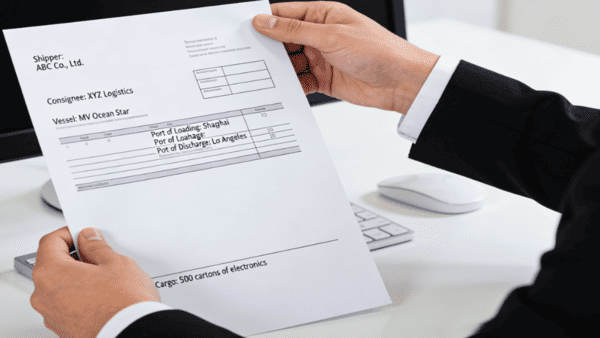
· Telex Release Notice: This is the key document in the telex release process. It is issued by the carrier to the port agent at the destination port. The notice contains essential details such as the shipper's name, consignee's name, vessel name and voyage number, a detailed description of the goods, and the instruction to release the goods without the presentation of the original bill of lading.
· Indemnity Agreement: In many cases, the consignee is required to sign an indemnity agreement. This legally binding document states that the consignee will indemnify the carrier against any losses, damages, or liabilities arising from the telex release. It serves as a safeguard for the carrier, protecting them from potential risks associated with releasing the goods without the original bill of lading. The indemnity agreement typically includes details about the scope of indemnity, the circumstances under which it applies, and the procedures for handling claims.

6. How is a Telex Release Bill of Lading Applied in the Real-World?
Consider a scenario where a technology company in South Korea (the shipper) has manufactured a large batch of high-end smartphones. These smartphones are destined for a distributor in Brazil (the consignee). The launch of the new smartphones is time-sensitive, and the shipper has already received full payment from the consignee. To ensure a quick and seamless delivery, the shipper requests a telex release bill of lading from the carrier.The carrier, after verifying the shipper's instructions and ensuring all necessary conditions are met, issues a telex release notice. This notice is sent to the port agent in Brazil. When the goods arrive at the Brazilian port, the consignee presents a copy of the commercial invoice, packing list, and signs the indemnity agreement (if required). The port agent, upon verifying the information and cross-checking with the telex release notice, releases the goods to the consignee. This enables the distributor to quickly start selling the smartphones in the Brazilian market, meeting the high-demand launch schedule.
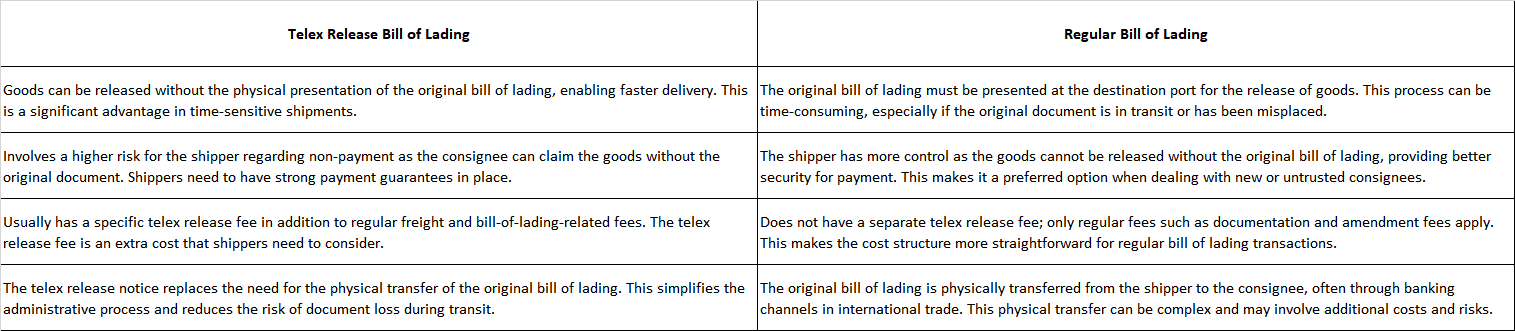
7. What are the Key Differences Compared to a Regular Bill of Lading?
8. What are the Common Misconceptions?
· A common misunderstanding is that a telex release bill of lading is as secure as a regular bill of lading: In reality, the telex release bill of lading exposes the shipper to a higher risk of non-payment. Since the consignee can obtain the goods without presenting the original bill of lading, there is a greater chance that the shipper may not receive payment. Freight forwarders and shippers should be acutely aware of this risk and take appropriate precautions, such as obtaining letters of credit or other payment guarantees.
· Some may think that the carrier has no liability in case of a telex release: The carrier is still liable for the safe transportation of the goods. Although the telex release changes the way the goods are released, the carrier's fundamental responsibilities under the contract of carriage remain. If the goods are damaged or lost during transit, the carrier may be held accountable, subject to the terms of the bill of lading. It is important for all parties to understand that the telex release does not absolve the carrier of its core obligations.
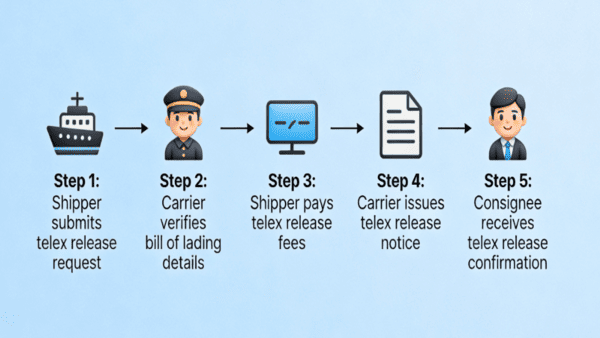
9. What is the Step-by-Step Process?
· Request for Telex Release: The shipper, having made the necessary arrangements (such as receiving payment), sends a written request to the carrier for a telex release. The request should include details such as the shipment reference number, the consignee's details, and the reason for the telex release. It is crucial that the shipper provides accurate and complete information to avoid any delays or issues in the process.
· Carrier's Verification: The carrier initiates a thorough verification process. They check the shipper's account status, verify the authenticity of the request, and ensure that all information provided is accurate. This may involve communicating with the shipper's representatives, cross-checking with internal databases, and ensuring that there are no outstanding issues with the shipment, such as unpaid freight charges or regulatory non-compliance.
· Issuance of Telex Release Notice: Once the verification is complete, the carrier issues a telex release notice. This notice is sent to the port agent at the destination port, clearly instructing them to release the goods to the consignee without the presentation of the original bill of lading. The notice contains all the relevant details about the shipment, ensuring that the port agent has all the information needed to carry out the release.
· Consignee's Claim: When the goods arrive at the destination port, the consignee presents the required documentation (such as identification, a copy of the commercial invoice, and in some cases, the indemnity agreement) to the port agent. The port agent, upon verifying the information and cross-checking with the telex release notice, releases the goods to the consignee. This final step completes the telex release process, allowing the consignee to take possession of the goods.
10. What are the Fees, Costs, and Associated Risks?
As mentioned earlier, the main fees associated with a telex release bill of lading are the telex release fee and the ancillary fees. However, there are other potential costs and risks that shippers and consignees should be aware of.
· Telex Release and Ancillary Fees: The telex release fee, ranging from $50-$150, and the ancillary fees of $10-$30 are direct costs that shippers need to budget for. These fees contribute to the overall cost of shipping and can impact the profitability of the business, especially for smaller shipments.
· Potential Losses Due to Non-Payment: For shippers, if the consignee fails to pay after the telex release, the shipper may face significant financial losses. The cost of recovering the goods or pursuing legal action against the consignee can be substantial. In some cases, the shipper may need to hire legal counsel, which can incur high legal fees. Additionally, the cost of storing the goods if they are retrieved can also add up.
· Legal Costs for Disputes: In case of disputes related to the telex release, such as disputes over liability for damaged goods or non-compliance with the indemnity agreement, both shippers and consignees may incur legal costs. These costs can vary depending on the complexity of the dispute and the jurisdiction in which the case is heard. For example, in a complex international dispute, legal fees can range from thousands to tens of thousands of dollars.
· Impact on Future Business Relationships: Disputes arising from telex release can also have a negative impact on future business relationships. If a shipper experiences non-payment or a consignee faces issues with the goods, it can damage the trust between the parties. Rebuilding this trust may require additional efforts and costs, such as offering discounts or improving communication channels.
11. What are the Expert Tips?
· For shippers, it is advisable to ensure full payment or reliable payment guarantees before requesting a telex release: This can be in the form of a letter of credit, a bank guarantee, or a secure electronic payment method. Shippers should also carefully review the terms of the telex release with the carrier and understand their rights and obligations. It is also recommended that shippers maintain clear communication with the consignee throughout the process to avoid any misunderstandings.
· Carriers should have a strict verification process for telex release requests: This includes verifying the shipper's identity, the accuracy of the information, and ensuring that all relevant parties are aware of the implications of the telex release. A proper record-keeping system for telex release transactions is also essential. Carriers should also communicate clearly with the port agents at the destination to ensure a smooth release of the goods.
· Consignees should be prepared to provide the necessary documentation and comply with the carrier's requirements promptly: This can help avoid delays in the release of the goods. They should also carefully review the indemnity agreement (if required) to understand their liability. Consignees should maintain good communication with the shipper and the carrier to stay informed about the status of the shipment.
12. Conclusion and Key Takeaways
In conclusion, the telex release bill of lading offers a convenient option for expediting sea freight transactions. However, it comes with its own set of risks and considerations. Understanding the roles of the involved parties, the fee structure, liability division, and the step-by-step process is crucial for all stakeholders. By being aware of the common misconceptions and following expert tips, shippers, carriers, and consignees can make informed decisions and use the telex release bill of lading effectively in international trade. Remember, the telex release bill of lading can be a valuable tool when used with caution and proper understanding. It is essential to balance the benefits of expedited delivery with the associated risks to ensure a smooth and secure international shipping experience. The telex release bill of lading, when managed correctly, can streamline the supply chain and enhance the competitiveness of businesses engaged in global trade.
Last
Container Types: A Comprehensive Exploration for Freight Forwarders
1. What are Container Types?Container types refer to the various standardized units designed to facilitate the transportation of d

Next
Detention Fee: Unraveling Its Intricacies in Freight Logistics
1. What is a Detention Fee?A detention fee is a charge imposed on the shipper, consignee, or other relevant parties when they reta

