




Taiwan-based container ship owner Wan Hai Lines has returned to the newbuilding market with an order for six 6000 teu dual-fuel liquefied natural gas (LNG) powered vessels, as part of a continued expansion and renewal of its owned fleet and also signalling shift away from its all-new methanol strategy.
Wan Hai Lines said in a filing to the Taiwan Stock Exchange that the ships would be built byBC Huangpu-Wenchong Shipbuilding Co., Ltd. Each vessel is priced between $75.2m and $82m, with the total value the deal ranging between $451.2m and $492m.
The newbuildings are scheduled for delivery in 2030 which would increase Wan Hai Lines' owned fleet size to about 150 vessels.
Wan Hai Lines is ranked 11th in world by Alphaliner in terms of capacity. The company said the contract price included upgraded ship equipment. The six ships will have LNG dual-fuel readiness capability and are designed regional and intra-Asia trade.
The latest order is a complement to its already massive newbuilding programme. Wan Hai Lines currently has more than 0 vessels on order, including a series of 8,000 teu vessels ordered from Taiwanese yard CSBC Corporation and a batch of 16,00 teu vessels ordered from South Korean yards HD Hyundai Samho and Samsung Heavy Industries.
Those large vessels were initially ordered as methanol-ready tonnage but were later converted to LNG propulsion, highlighting the shipping line's shift towards gas-powered vessels.
Last
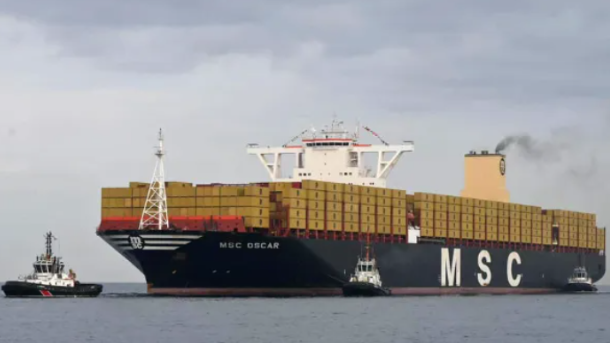
MSC Rejects OOCL Takeover, Sale Drama Hits Turning Point
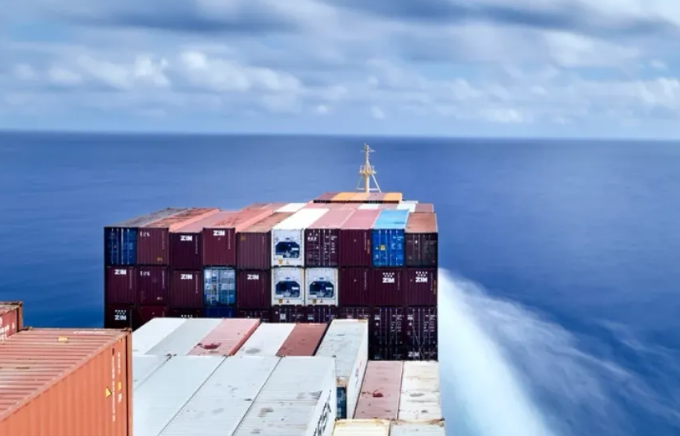
Recently, Israeli media reported that both Hapag-Lloyd and Mediterranean Shipping have submitted bids to acquire Zim, and Maers is
Next
European Shipowners Order Six More Ships in China, Chartering to Top Five Carriers
Norwegian shipowner MPC Container Ships (MPCC) has signed a contract with Tahou Sanfu Ship Engineering Co., Ltd., Jiangsu, China,

