






Effective timeline governance across the apparel supply chain enables global freight forwarders to mitigate seasonal congestion risks and guarantee timely retail inventory replenishment during peak consumer shopping cycles. Seasonal retail demand surges create concentrated cargo throughput, exacerbating port congestion, route disruptions and schedule instability for cross-border textile and garment shipments.
Why seasonal retail cycles disrupt apparel logistics efficiency
Seasonal retail order surges generate concentrated export throughput that strains carrier capacity and terminal handling resources, triggering pervasive transit delays within global apparel logistics networks.
Global fast fashion and seasonal retail operations follow rigid annual sales calendars, covering back-to-school promotions, winter holiday shopping peaks and spring collection launches. Most apparel brands initiate mass manufacturing and arrange outbound shipments six to eight weeks prior to official sales windows, forming periodic freight demand spikes.
According to UNCTAD 2025 Maritime Transport Review, global seaborne trade growth slows to 0.5 percent in 2025, while seasonal peak periods further degrade ocean carrier schedule reliability. Major East-West trade lanes suffer extended transit durations due to persistent chokepoint disruptions and port congestion.
A common mistake is applying general cargo forwarding workflows to seasonal apparel consignments. Many forwarders neglect advance capacity reservation and route contingency planning, resulting in avoidable transit delays that disrupt retail shelf allocation and seasonal merchandising schedules.
What core factors extend apparel transit times in peak seasons
A combination of geopolitical, maritime and market-driven factors jointly prolong end-to-end transit lead times for apparel shipments during annual retail peak cycles.
How Red Sea rerouting disrupts garment delivery schedules
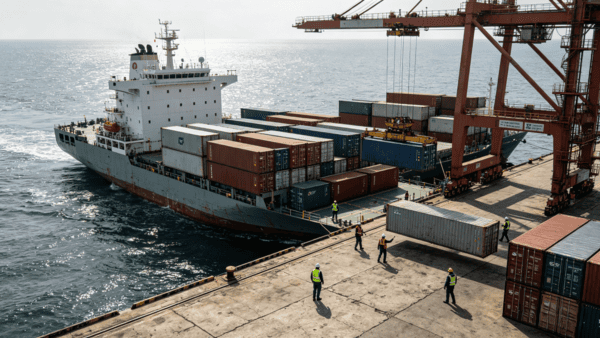
Ongoing geopolitical uncertainties in the Red Sea continue to force vessel rerouting via the Cape of Good Hope for Europe-bound cargoes. According to UNCTAD 2025 data, Red Sea shipping activity remains 70 percent below 2023 baseline levels, substantially altering traditional transit benchmarks.
Drewry 2025 lane performance reports confirm that Asia-Europe ocean transit times expand from the standard 15-day timeline to 25–35 days under full Cape rerouting scenarios. Such prolonged voyages severely impact time-sensitive seasonal apparel inventories.
Apparel commodities feature strict seasonal validity, meaning extended sailing durations can cause late arrivals that miss promotional launch windows. Even minor schedule deviations reduce retail sales conversion and raise post-season inventory overstock risks for fashion retailers.
How terminal congestion hinders apparel cargo turnover
Key garment manufacturing export hubs face recurring terminal bottlenecks during peak shipping quarters. Chittagong Port, a primary gateway for Bangladesh apparel exports, recorded a 77 percent year-on-year increase in vessel anchoring waiting time in mid-2024, reflecting widespread seasonal terminal pressure.
Prolonged berthing queues and elevated container dwelling times slow down cargo clearance and inland drayage distribution. This creates cascading throughput delays across the entire apparel supply chain, affecting both full container loads and less-than-container load textile shipments.
How seasonal capacity tightening amplifies schedule volatility
Synchronized pre-season cargo booking from global textile exporters compresses available slot capacity and destabilizes spot market pricing. According to Freightos Baltic Index 2024 peak season analytics, apparel-dominant trade lanes exhibit heightened rate volatility and reduced booking availability from August to October annually.
Forwarders should note that constrained carrier capacity frequently causes blank sailings and last-minute load rejections. These irregularities undermine shipment stability even for confirmed, contracted booking arrangements during seasonal rushes.
What risks delayed apparel transit brings to global forwarders
Unaddressed seasonal transit delays create multi-layered operational, financial and client relationship risks for forwarders serving international fashion retail clients.
Trigger contractual liability claims: The recommended approach is to align shipment scheduling with retail brand contractual lead time clauses. Late delivery of seasonal apparel may trigger commercial compensation claims for missed merchandising deadlines.
Deteriorate long-term client trust: A common mistake is underestimating the cumulative impact of seasonal maritime disruptions. Consistent delivery inconsistencies weaken forwarder credibility with garment manufacturers and retail importers.
Inflate emergency logistics expenditure: Forwarders should note that last-minute ocean-to-air cargo upgrades and ad-hoc booking remedies significantly raise operational costs when standard ocean transit schedules fail.
Disrupt cross-border inventory synchronization: Delayed inbound apparel consignments distort retail inventory allocation, leading to stock shortages during peak demand and excess inventory accumulation after seasonal cycles conclude.
How to optimize pre-season booking and capacity planning
Proactive capacity reservation and data-driven schedule calibration constitute core strategies to stabilize apparel shipment transit performance before seasonal demand surges.
Implement advanced booking schedules: The recommended approach is to finalize seasonal apparel cargo bookings at least four weeks earlier than standard off-season timelines. Early slot reservations mitigate peak capacity scarcity and secure fixed vessel loading positions.
Diversify carrier contractual partnerships: Forwarders should note that over-reliance on a single carrier increases exposure to blank sailing and route suspension risks. Maintaining a diversified carrier portfolio improves scheduling resilience.
Integrate strategic transit buffer days: A common mistake is calculating seasonal transit times based on static off-season benchmarks. Seasonal logistics planning requires adding three to five operational buffer days to offset congestion and inspection delays.
Track real-time lane reliability metrics: Continuously monitor port congestion indexes and carrier schedule performance reports. 2025 maritime industry data verifies that data-backed risk monitoring effectively reduces seasonal delay frequencies for apparel cargoes.
What routing and modal adjustments shorten seasonal transit times
Targeted transportation modal switching and route reconfiguration help bypass seasonal maritime bottlenecks and compress end-to-end apparel supply chain lead times.
Adopt alternative stable ocean lanes: The recommended approach is to evaluate secondary trade lanes when mainstream corridors face severe rerouting delays. Selective lane diversification avoids prolonged detour voyages during peak disruption periods.
Deploy sea-air hybrid logistics solutions: Forwarders should note that combined sea-air transportation serves as a practical contingency for time-sensitive seasonal apparel orders. This model balances cost control and delivery urgency amid ocean capacity constraints.
Prioritize direct port call services: A common mistake is selecting transshipment routes for marginal cost savings during peak seasons. Transshipment terminals typically face amplified congestion, worsening overall transit instability for textile cargoes.
Establish pre-positioned bonded inventory: Pre-ship partial seasonal apparel stock to destination bonded warehouses. This strategy shortens final-mile distribution cycles and supports rapid retail restocking ahead of official sales peaks.
How to streamline customs clearance for seasonal apparel shipments
Standardized pre-arrival customs preparation mitigates detention risks that commonly extend apparel supply chain seasonal transit cycles.
Standardize commodity declaration parameters: The recommended approach is to unify HS code classification, material specifications and product attribute descriptions for batch apparel shipments. Consistent declaration data minimizes customs query and inspection probabilities.
Submit pre-arrival customs declarations: Forwarders should note that advance declaration submission enables pre-clearance reviews before vessel arrival, cutting on-terminal clearance processing time during peak cargo throughput periods.
Compile complete textile certification dossiers: A common mistake is incomplete submission of certificates of origin and textile trade qualification documents. Missing certification triggers mandatory manual inspections and clearance holds for cross-border apparel shipments.
Monitor seasonal import policy revisions: Import authorities frequently adjust textile entry supervision rules before retail peak seasons. Timely policy adaptation eliminates compliance gaps that cause cargo detention.
What operational standards stabilize peak season apparel logistics
Standardized internal operational protocols reduce human error and schedule deviations during high-volume apparel shipping cycles.
Execute pre-loading dual verification workflows: The recommended approach is to cross-verify packing lists, shipping marks and booking data twice prior to cargo loading. Dual inspections prevent document-cargo mismatches that induce clearance delays.
Assign dedicated peak-season operation teams: Forwarders should note that specialized staffing for seasonal apparel projects improves response efficiency for cargo tracking, exception resolution and client communication.
Build real-time exception tracking protocols: A common mistake is passive reliance on automated vessel update systems. Active manual tracking of vessel schedules, terminal status and container positioning enables early risk intervention.
Optimize off-peak inland drayage scheduling: Arrange container pickup and delivery during non-peak terminal hours. Staggered inland transportation bypasses gate congestion and accelerates cargo turnover during seasonal surges.
What benefits optimized transit brings to apparel forwarding services
Data-driven seasonal transit optimization improves operational stability and enhances client service value for forwarders specializing in the apparel supply chain.
According to ITC Trade Map 2024 global textile trade statistics, seasonal peak shipments account for nearly 40 percent of annual apparel cross-border trading volume. Consistent peak-season delivery reliability has become a core benchmark for evaluating forwarding service professionalism.
Effective transit compression reduces emergency logistics overhead and client dispute ratios. Forwarders with mature seasonal optimization frameworks maintain stable service quality and strengthen long-term cooperative partnerships with global fashion manufacturers and retail enterprises.
In conclusion, precise timeline governance, flexible route optimization, standardized customs compliance and proactive operational scheduling collectively eliminate seasonal logistics bottlenecks within the apparel supply chain. Continuous refinement of peak-season workflows sustains stable, cost-efficient and on-time apparel delivery amid dynamic global maritime market fluctuations.

Last
Secure medical equipment logistics tracking frameworks for high value hospital tech shipments
In the global supply chain, medical equipment logistics plays a critical role in ensuring high-value hospital technology—from MRI

Next
Server rack relocation planning for complex international data center moving projects
Scientific server rack relocation planning supports standardized, damage-free and rule-compliant cross-border transportation of hi

