






For global freight forwarders, mastering end-to-end breakbulk logistics—with Breakbulk Chartering as its core link—is essential to delivering reliable, cost-effective services for oversized, heavy, or non-containerizable cargo. This comprehensive process spans from vessel selection to final port delivery, requiring careful coordination and expertise to navigate industry complexities.
What Is End-to-End Breakbulk Logistics, and Why Does It Matter for Forwarders?
End-to-end breakbulk logistics is an integrated service that manages the entire journey of breakbulk cargo, from the shipper’s warehouse to the consignee’s destination, including Breakbulk Chartering, port handling, and inland transportation. It matters because breakbulk cargo, such as machinery and project equipment, cannot fit into standard containers, demanding specialized oversight at every step.
Breakbulk cargo accounts for a significant portion of global maritime trade, with diverse sectors—including energy, construction, and manufacturing—relying on it to move critical equipment. According to UNCTAD 2025 data, global breakbulk trade volume is projected to grow by 2.5% annually through 2029, driven by infrastructure development and renewable energy projects worldwide. For forwarders, offering end-to-end breakbulk services is not just a competitive advantage but a necessity to meet client demands for streamlined, hassle-free logistics.
Forwarders should note that end-to-end breakbulk logistics differs fundamentally from containerized shipping. Unlike standard containers, breakbulk cargo has unique dimensions, weights, and handling requirements, meaning each shipment requires a customized approach. This customization extends from Breakbulk Chartering—selecting the right vessel type—to port operations, where specialized equipment and trained personnel are needed to load, unload, and store cargo safely.
A common mistake is treating breakbulk logistics as a simple extension of container shipping. This oversight often leads to delays, damage, or cost overruns, as forwarders fail to account for the unique challenges of breakbulk cargo, such as weight distribution, weather sensitivity, and regulatory compliance. The recommended approach is to adopt a holistic mindset, viewing each stage of the breakbulk journey as interconnected, with Breakbulk Chartering serving as the foundation for success.
How to Navigate Breakbulk Chartering: Key Considerations for Forwarders
Breakbulk Chartering is the process of renting a vessel (or part of a vessel) specifically designed to carry breakbulk cargo, tailored to the shipment’s size, weight, and destination. It is a critical first step in end-to-end breakbulk logistics, as the right vessel choice directly impacts cost, efficiency, and cargo safety.
Forwarders must navigate three primary types of Breakbulk Chartering agreements, each with distinct advantages and considerations. Understanding these options is vital to matching client needs with the most suitable charter terms, while avoiding common pitfalls that can disrupt the supply chain.
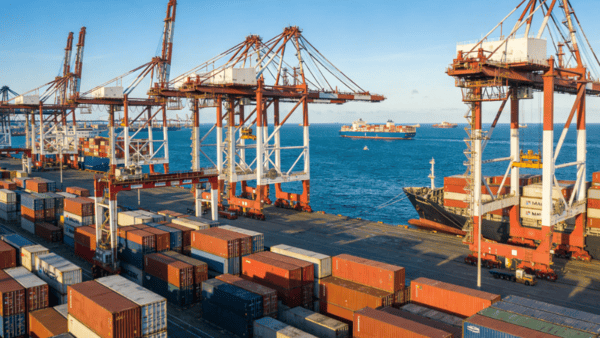
Voyage Charter (V/C): This agreement involves renting a vessel for a specific voyage, from the load port to the discharge port. The shipowner covers vessel operation costs (fuel, crew, maintenance), while the forwarder (or charterer) covers cargo-related costs (loading, unloading, insurance). Voyage charters are often used by forwarders for one-off or irregular breakbulk shipments, as they offer flexibility in route and timing. The standard contract for voyage charters is the BIMCO Gencon form, widely adopted in the breakbulk industry.
Time Charter (T/C): A time charter allows the forwarder to rent a vessel for a fixed period (e.g., months or years), giving them control over the vessel’s schedule and cargo bookings. The forwarder assumes responsibility for fuel, port fees, and crew costs, while the shipowner maintains vessel maintenance. This option is suitable for forwarders with consistent breakbulk volume, as it provides long-term stability and cost predictability. The NYPE Form is the most commonly used contract for time charters.
Bareboat Charter: In a bareboat charter, the forwarder takes full control of the vessel, including crew, maintenance, and operation. This is the most complex and high-risk option, typically used by large forwarders or Non-Vessel Operating Common Carriers (NVOCCs) with extensive maritime expertise and consistent, high-volume breakbulk shipments. Bareboat charters offer maximum flexibility but require significant resources to manage effectively, often utilizing the Baltime Form for contract agreements.
What Key Contract Clauses Should Forwarders Prioritize in Breakbulk Chartering?
Forwarders should note that successful Breakbulk Chartering requires more than just selecting the right charter type—it also involves careful negotiation of key contract terms. Critical clauses to prioritize include laytime (the time allowed for loading/unloading), demurrage (penalties for exceeding laytime), and cargo liability, which defines responsibility for damage or loss during transit.
According to industry experts, poorly negotiated charter agreements (Charter Party, C/P) are a leading cause of disputes in breakbulk logistics, often resulting in unexpected costs and delays. Forwarders must also pay attention to dispatch fees (incentives for completing loading/unloading ahead of laytime) and deviation clauses, which govern changes to the agreed route.
The recommended approach for Breakbulk Chartering is to partner with reputable shipowners and charter brokers who specialize in breakbulk cargo. These professionals can provide insights into vessel availability, market rates, and regulatory requirements, helping forwarders avoid common mistakes such as selecting an ill-suited vessel or underestimating laytime needs. Additionally, forwarders should conduct thorough due diligence on vessel safety records and compliance with international maritime regulations, such as the International Maritime Organization’s (IMO) Safety of Life at Sea (SOLAS) convention and MARPOL Annexes.
What Vessel Types Are Used in Breakbulk Chartering, and How to Choose the Right One?
Vessel types for Breakbulk Chartering are specialized to handle the unique characteristics of breakbulk cargo, with each type designed for specific cargo sizes, weights, and handling requirements. Choosing the right vessel is critical to ensuring cargo safety, minimizing costs, and meeting delivery timelines.
The most common vessel types used in Breakbulk Chartering include multipurpose vessels (MPVs), heavy-lift vessels, and project carriers. Each type has distinct features that make it suitable for different types of breakbulk cargo, and forwarders must match the vessel to the cargo’s specific needs to avoid inefficiencies or damage.
Multipurpose Vessels (MPVs): These are the most versatile vessels used in Breakbulk Chartering, capable of carrying a mix of breakbulk cargo, containers, and bulk goods. MPVs are equipped with cranes (typically 20-150 tons capacity) and have flexible deck space, making them suitable for medium-sized breakbulk cargo such as machinery, steel coils, and construction materials. They are often used by forwarders for shipments that require flexibility in routing and cargo mix, with a growing number of MPVs equipped with tweendecks for enhanced cargo separation.
Heavy-Lift Vessels: Designed for oversized and ultra-heavy breakbulk cargo (e.g., wind turbine components, industrial machinery, and offshore structures), heavy-lift vessels feature specialized cranes with capacities ranging from 150 to 1,500 tons or more. Some heavy-lift vessels have adjustable decks or semi-submersible capabilities, allowing them to load and unload cargo directly from shore or other vessels (float-on/float-off operations). Forwarders handling heavy or oversized cargo must prioritize heavy-lift vessels to ensure safe and efficient transport.
Project Carriers: These vessels are purpose-built for large-scale project cargo, such as power plant equipment, oil and gas infrastructure, and offshore wind farms. Project carriers often have modular designs, allowing for customized loading and unloading configurations, and may include features such as retractable decks or onboard storage facilities. They are typically used for long-haul, high-value breakbulk shipments that require specialized handling and security, with many project carriers offering door-to-door project logistics solutions.
How to Avoid Common Vessel Selection Mistakes in Breakbulk Chartering?
A common mistake in Breakbulk Chartering is selecting a vessel based solely on cost, rather than cargo compatibility. For example, using an MPV to transport ultra-heavy cargo may result in insufficient crane capacity, leading to damage or delays. The recommended approach is to conduct a detailed cargo assessment—including weight, dimensions, fragility, and handling requirements—before selecting a vessel.
Forwarders should also consider route characteristics, such as port infrastructure, draft restrictions, and weather conditions, as these factors can impact vessel suitability. According to Drewry 2026 data (as of April), the global fleet of heavy-lift and multipurpose vessels is expected to grow by 3.4% in 2026, driven by increased demand for renewable energy project cargo. This growth means more vessel options for forwarders, but it also requires careful evaluation to ensure the selected vessel meets both cargo needs and regulatory requirements.
Forwarders should also consider vessel age and maintenance records, as older vessels may be more prone to breakdowns, leading to delays in transit. According to UNCTAD 2025 data, vessels over 20 years old account for approximately 18% of the global breakbulk fleet but are responsible for 32% of voyage delays due to mechanical issues.
How to Optimize Port Operations for Breakbulk Cargo?
Port operations are a critical component of end-to-end breakbulk logistics, encompassing loading, unloading, storage, and customs clearance. Efficient port operations ensure that breakbulk cargo moves smoothly through the supply chain, minimizing delays and reducing the risk of damage.
Breakbulk port operations differ from container port operations in that they require specialized equipment, trained personnel, and careful coordination between multiple stakeholders—including port authorities, stevedores, customs officials, and forwarders. Forwarders play a key role in optimizing these operations, as they are responsible for ensuring that all parties work together to meet delivery timelines.
What Equipment Is Needed for Breakbulk Port Operations?
Specialized equipment is essential for handling breakbulk cargo at ports, as standard container handling equipment (e.g., gantry cranes) is not designed for oversized or heavy items. The type of equipment required depends on the cargo’s characteristics, and forwarders must ensure that the port has the necessary equipment available before scheduling a shipment.
Mobile Cranes: These are versatile cranes used for loading and unloading breakbulk cargo from vessels to shore (and vice versa). Mobile cranes range in capacity from 50 to 1,000 tons and can be moved around the port to accommodate different cargo locations. They are often used for medium-sized breakbulk cargo, such as machinery and steel products, with telescopic boom designs for enhanced reach.
Floating Cranes: Used for ultra-heavy or oversized cargo that cannot be handled by shore-based cranes, floating cranes are mounted on barges or ships and can operate in deep water. They have capacities of 1,000 tons or more and are commonly used for offshore project cargo, such as wind turbine blades and oil rig components. Floating cranes are often deployed in ports with limited shore-based heavy-lift capacity.
Straddle Carriers and Forklifts: These are used for moving breakbulk cargo within the port, from the vessel to storage areas or vice versa. Straddle carriers are designed for heavy cargo, while forklifts are used for smaller, lighter breakbulk items. Both are essential for efficient cargo movement and storage, with electric straddle carriers increasingly adopted to reduce carbon emissions.
Lifting Gear: Specialized lifting gear, such as slings, shackles, and spreader bars, is required to secure breakbulk cargo during loading and unloading. This gear must be matched to the cargo’s weight and dimensions to ensure safety and prevent damage, with regular inspection and certification required to comply with IMO and local safety regulations.
How to Select the Right Port for Breakbulk Operations?
Forwarders should note that not all ports have the same level of breakbulk handling capabilities. Some ports specialize in breakbulk cargo and have state-of-the-art equipment and trained personnel, while others may have limited resources. The recommended approach is to research port capabilities in advance, including equipment availability, storage capacity, and handling experience, to select a port that can meet the shipment’s needs.
According to Ningbo-Zhoushan Port 2026 data (as of January), ports that specialize in breakbulk cargo and have implemented smart technologies—such as the “dual-core smart brain” system—have reduced cargo transportation time by over 38% and increased yard space utilization by 9.2% compared to traditional ports. This highlights the importance of selecting the right port for breakbulk operations, as it can significantly impact efficiency and cost.
Another example is Zhangjiagang Port, which reported a 135% year-on-year increase in machinery breakbulk throughput in 2025, solidifying its position as a key breakbulk hub along the Yangtze River. Such specialized ports often offer dedicated breakbulk terminals, reducing handling time and minimizing cargo damage.
How to Manage Customs Clearance for Breakbulk Cargo?
Customs clearance is a critical step in breakbulk port operations, as delays in clearance can disrupt the entire supply chain and increase costs. Breakbulk cargo often requires additional documentation and compliance checks compared to containerized cargo, making it essential for forwarders to understand the regulatory requirements of both the origin and destination countries.
Prepare Accurate Documentation: Breakbulk cargo requires detailed documentation, including a commercial invoice, packing list, bill of lading (B/L), certificate of origin, and any necessary permits (e.g., for hazardous materials or oversized cargo). Forwarders must ensure that all documentation is accurate and complete, as errors can lead to customs delays or penalties. For hazardous breakbulk cargo, a Dangerous Goods Declaration (DGD) is also required.
Comply with Local Regulations: Each country has unique customs regulations for breakbulk cargo, including restrictions on certain goods, inspection requirements, and duty rates. Forwarders should research these regulations in advance and work with local customs brokers to ensure compliance. For example, some countries require pre-inspection of heavy-lift cargo, while others have specific labeling requirements for hazardous breakbulk items in line with the IMDG Code.
Coordinate with Customs Officials: Maintaining open communication with customs officials can help streamline the clearance process. Forwarders should provide all necessary documentation in advance and be available to address any questions or concerns that customs may have. Working with a local customs broker who has expertise in breakbulk cargo can also help navigate complex regulatory requirements, such as temporary import bonds for project cargo.
A common mistake in customs clearance for breakbulk cargo is underestimating the time required to complete the process. Unlike containerized cargo, which is often cleared in bulk, breakbulk cargo may require individual inspection, especially for oversized or high-value items. The recommended approach is to factor in additional time for customs clearance when planning the shipment, and to work with experienced customs brokers who can help expedite the process.
What Are the Key Challenges in End-to-End Breakbulk Logistics, and How to Overcome Them?
End-to-end breakbulk logistics presents unique challenges, from supply chain disruptions to regulatory compliance, that can impact efficiency and cost. Forwarders must proactively identify these challenges and implement strategies to overcome them, ensuring that breakbulk shipments are delivered on time and in good condition.
How to Address Supply Chain Volatility in Breakbulk Logistics?
One of the most significant challenges in end-to-end breakbulk logistics is supply chain volatility, driven by geopolitical events, weather conditions, and trade policy changes. According to the Journal of Commerce 2026 data (as of April), trade lane shifts and policy changes have become major challenges for breakbulk cargo, with conflicts in the Middle East and U.S. policy adjustments disrupting traditional routes.
For example, wind energy cargo previously routed through U.S. ports has shifted to Canadian ports due to changing federal policies, requiring forwarders to adapt their strategies. Additionally, according to UNCTAD 2025 data, new breakbulk vessel orders dropped to 990 million deadweight tons in the first half of 2025, the lowest since 2017, due to weak commodity demand, limiting vessel availability in some trade lanes.
How to Mitigate Weather-Related Delays in Breakbulk Shipping?
Weather is another major challenge, with extreme weather events causing delays in vessel departures, port operations, and cargo handling. According to industry experts, 2026 has seen an increase in weather-related delays for breakbulk shipments, with heavy rain, high winds, and fog disrupting port operations and vessel schedules. Forwarders should note that weather-related delays are often unavoidable, but proactive planning can help minimize their impact.
Plan for Contingencies: Develop contingency plans for potential disruptions, such as alternative ports, vessels, or routes. For example, if a port is closed due to weather, forwarders should have a backup port identified to ensure the shipment can still be delivered on time. Additionally, maintaining relationships with multiple shipowners and port operators can provide flexibility in case of disruptions.
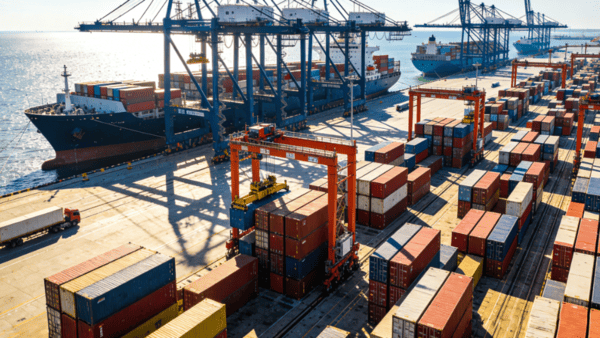
Invest in Digital Tools: Digital logistics tools, such as real-time tracking systems and predictive analytics, can help forwarders monitor cargo status, identify potential delays, and make informed decisions. For example, real-time tracking allows forwarders to monitor vessel location and port operations, while predictive analytics can help anticipate weather-related delays or supply chain disruptions.
Build Strong Partnerships: Collaborating with reliable partners—including shipowners, port operators, customs brokers, and inland carriers—is essential for overcoming breakbulk logistics challenges. Strong partnerships ensure that all stakeholders are aligned on goals and can work together to address issues as they arise. For example, working closely with port operators can help forwarders secure priority handling for time-sensitive breakbulk cargo.
How to Manage Costs Effectively in Breakbulk Logistics?
Another key challenge is cost management, as breakbulk logistics can be more expensive than containerized shipping due to specialized equipment, vessel charter costs, and port handling fees. A common mistake is underestimating the total cost of breakbulk shipments, which can lead to cost overruns and reduced profitability.
The recommended approach is to conduct a detailed cost analysis upfront, including vessel charter fees, port handling costs, customs duties, and inland transportation costs, and to negotiate favorable rates with partners to minimize expenses. According to Freightos Baltic Index (FBX) 2026 data (as of March), breakbulk freight rates have increased by 8.1% over the past year, driven by higher fuel costs and increased demand for specialized vessels.
Forwarders can mitigate these cost increases by optimizing vessel selection (e.g., choosing MPVs for mixed cargo to maximize load efficiency), negotiating long-term charter agreements, and leveraging digital tools to improve operational efficiency and reduce administrative costs.
How to Measure Success in End-to-End Breakbulk Logistics?
Measuring success in end-to-end breakbulk logistics is essential for forwarders to identify areas for improvement and demonstrate value to clients. Success metrics should focus on efficiency, cost-effectiveness, and cargo safety, as these are the key priorities for clients relying on breakbulk services.
Forwarders should track a range of metrics to evaluate the performance of their end-to-end breakbulk logistics services. These metrics provide insights into areas where processes can be optimized, costs can be reduced, and service quality can be improved.
On-Time Delivery Rate: This metric measures the percentage of breakbulk shipments delivered on or before the scheduled delivery date. A high on-time delivery rate indicates efficient coordination between Breakbulk Chartering, port operations, and inland transportation. Forwarders should aim for an on-time delivery rate of at least 90%, as delays can result in client dissatisfaction and additional costs.
Cargo Damage Rate: This metric measures the percentage of breakbulk shipments that are damaged during transit or handling. Breakbulk cargo is often high-value and fragile, so minimizing damage is critical. A low cargo damage rate (ideally less than 1%) indicates effective handling practices, proper vessel selection, and appropriate packaging.
Cost per Shipment: This metric measures the total cost of each breakbulk shipment, including vessel charter fees, port handling costs, customs duties, and inland transportation. Tracking cost per shipment helps forwarders identify inefficiencies and negotiate better rates with partners, improving profitability.
Client Satisfaction: This metric, often measured through surveys or feedback, evaluates how well the forwarder’s end-to-end breakbulk services meet client expectations. High client satisfaction indicates that the forwarder is delivering reliable, efficient, and cost-effective services, which can lead to repeat business and referrals.
The recommended approach is to regularly review these metrics and use the insights to optimize processes. For example, if the cargo damage rate is higher than expected, forwarders should investigate the cause—such as improper handling at the port or inadequate packaging—and implement corrective actions. Similarly, if on-time delivery rates are low, forwarders should re-evaluate their Breakbulk Chartering strategies or port selection to identify bottlenecks.
Conclusion: Mastering End-to-End Breakbulk Logistics for Long-Term Success
End-to-end breakbulk logistics is a complex but rewarding service for global freight forwarders, offering the opportunity to serve high-value clients and differentiate themselves in a competitive market. At the heart of this process is Breakbulk Chartering, which sets the foundation for a successful shipment by ensuring the right vessel is selected for the cargo’s unique needs. From vessel chartering to port operations, every stage requires careful planning, coordination, and expertise to overcome challenges and deliver exceptional service.
Forwarders should note that success in end-to-end breakbulk logistics requires a holistic approach, focusing on customization, compliance, and collaboration. By understanding the unique needs of breakbulk cargo, navigating Breakbulk Chartering effectively, optimizing port operations, and proactively addressing challenges, forwarders can deliver reliable, cost-effective services that meet client expectations. Additionally, investing in digital tools, building strong partnerships, and measuring performance metrics can help forwarders continuously improve their services and stay ahead in the evolving breakbulk logistics industry.
As global breakbulk trade continues to grow, driven by infrastructure development and renewable energy projects, forwarders who master end-to-end breakbulk logistics—with Breakbulk Chartering as their core competency—will be well-positioned to capitalize on new opportunities and achieve long-term success. By prioritizing expertise, compliance, and client satisfaction, forwarders can turn the complexities of breakbulk logistics into a competitive advantage, delivering value to clients and growing their businesses in the global marketplace.
Last
Clearing lithium battery shipping checks easily without getting your cargo rejected
Lithium battery shipping has become a critical component of global trade, driven by the rising demand for electronic devices, elec

Next
Emergency Cargo Rescue: The Role of Air Charter in Responding to Sudden Demands
In the fast-paced world of international freight forwarding, sudden cargo demands—from natural disasters to supply chain disruptio

