






In the complex landscape of international freight, Global Port Depth/Berthing stands as a critical factor that directly influences the efficiency and cost-effectiveness of large vessel operations. For forwarders managing global supply chains, understanding how draft restrictions shape berthing processes is essential to avoid delays, reduce costs, and maintain client trust.
What Are Draft Restrictions and How Do They Relate to Global Port Depth/Berthing?
Draft restrictions refer to the maximum depth of water a port channel or berth can provide, which dictates the largest vessel (by draft) that can safely berth. Global Port Depth/Berthing ties these restrictions to real-world operations, as port depth directly limits vessel access and loading capacity.
Vessel draft is the vertical distance from the waterline to the lowest point of the vessel’s hull, and it increases as the vessel is loaded with cargo. When a port’s available depth is less than the vessel’s draft, the vessel cannot berth fully loaded—forcing operators to reduce cargo, wait for high tide, or divert to another port. According to UNCTAD 2025 data, over 62% of global ports face some form of draft restriction, with varying impacts on large vessel operations depending on infrastructure and location.
Forwarders should note that draft restrictions are not static; they can change due to sediment accumulation, seasonal water level fluctuations, and infrastructure upgrades. For example, Brazil’s Porto de Suape completed a dredging project in early 2026 that deepened its external channel to 20 meters, reducing draft restrictions and allowing Suezmax tankers of up to 175,000 deadweight tons (DWT) to berth fully loaded—a change that transformed the port’s logistical capacity for fuel transport. This highlights how port depth improvements can directly enhance Global Port Depth/Berthing efficiency.
Why Do Draft Restrictions Matter for Global Forwarders?
Draft restrictions matter for forwarders because they disrupt supply chain timelines, increase operational costs, and limit cargo capacity—all of which directly impact client satisfaction and profitability. Every delay or diversion related to berthing issues can lead to missed deadlines and financial losses.
The Trend Toward Larger Vessels and Growing Draft Demands
The global shipping industry has seen a steady trend toward larger vessels, as carriers seek economies of scale. According to UNCTAD 2025 data, the average size of container ships has increased by 14% over the past five years, with many ultra-large container vessels (ULCVs) requiring a draft of 14.5 meters or more to berth fully loaded. However, nearly 40% of global ports still lack the depth to accommodate these vessels without restrictions.
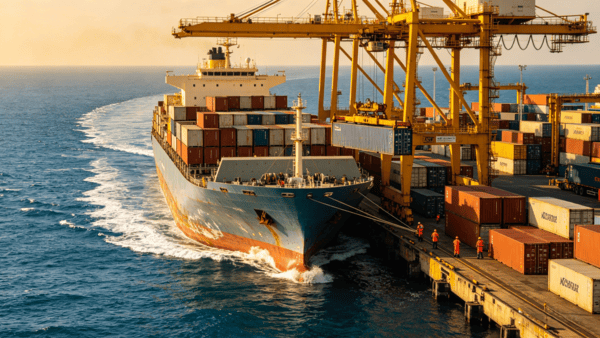
Costly Mistakes Forwarders Often Make
A common mistake is for forwarders to overlook draft restrictions when planning shipments, assuming that major global hubs can accommodate all vessel sizes. This oversight often leads to last-minute cargo reductions or diversions. For instance, a forwarder shipping bulk goods to a European port might book a vessel with a 13-meter draft, only to discover the port’s channel depth is limited to 11 meters at low tide—requiring the vessel to unload part of its cargo at a nearby deeper port, adding time and cost to the shipment.
Impact on Freight Rate Volatility
Additionally, draft restrictions can impact freight rate volatility. According to the Freightos Baltic Index (FBX) 2025 Q1 data, routes serving ports with severe draft restrictions often see 17-22% higher freight rates compared to routes with deeper ports, due to the additional costs of diversion, cargo reduction, and extended berthing time. For forwarders, this means higher costs to pass on to clients or reduced profit margins if they absorb the expenses.
Which Global Port Hubs Face the Most Significant Draft Restrictions?
While many global ports have invested in deepening projects, several major hubs still face notable draft restrictions that impact large vessel operations. These restrictions vary by region, with some ports limited by geography, while others lack funding for infrastructure upgrades.
North American East Coast Ports: Many ports along the U.S. East Coast, including New York/New Jersey and Savannah, have draft restrictions ranging from 12.2 to 14.3 meters. According to the Port of Savannah’s 2025 annual report, the port’s main channel depth is 14.3 meters, which limits fully loaded ULCVs (requiring 14.5+ meters) to berthing only at high tide. This often leads to delays, as vessels must wait for favorable tide conditions to berth. The Port of New York/New Jersey reported in 2025 that tide-related berthing delays due to draft restrictions average 9-13 hours per vessel.
Mediterranean Ports: Ports such as Piraeus (Greece) and Haifa (Israel) have draft restrictions of 13.5-15.2 meters. While these ports can accommodate most large vessels, ultra-large container ships (over 24,000 TEU) often require partial unloading before berthing. According to UNCTAD 2025 data, Mediterranean ports handle approximately 29% of global container traffic, making their draft restrictions a significant concern for forwarders managing EMEA routes.
Southeast Asian Ports: Ports like Jakarta (Indonesia) and Manila (Philippines) face severe draft restrictions, with channel depths as low as 10.2 meters. This limits these ports to smaller vessels, forcing forwarders to use transshipment hubs like Singapore (which has a channel depth of 20.5 meters) to move cargo to these destinations. According to ITC Trade Map 2025 data, transshipment adds an average of 3-6 days to delivery times for shipments to these ports.
South American Ports: Beyond Porto de Suape’s recent improvements, many South American ports still face draft challenges. For example, the Port of Callao (Peru) has a maximum channel depth of 12.1 meters, limiting the size of vessels that can berth fully loaded. This often requires forwarders to use smaller feeder vessels or reduce cargo loads, increasing operational complexity. According to Peru’s Port Authority 2025 data, draft restrictions at Callao increase cargo handling costs by 18-23% on average.
How Do Draft Restrictions Impact Large Vessel Operations Day-to-Day?
Draft restrictions impact large vessel operations in several day-to-day ways, from loading decisions to berthing schedules and cost management. These impacts are felt by carriers, port operators, and forwarders alike, creating ripple effects throughout the supply chain.
Reduced Cargo Capacity and Efficiency Loss
One of the most direct impacts is reduced cargo capacity. When a vessel’s draft exceeds the port’s available depth, the carrier must reduce the amount of cargo it carries to lower the draft. According to Drewry 2025 Q1 data, vessels calling at ports with draft restrictions often carry 12-16% less cargo than their maximum capacity, reducing efficiency and increasing the cost per unit of cargo. For forwarders, this means needing to book additional vessels or consolidate shipments to meet client demand, which can lead to higher costs and longer lead times.
Berthing Delays and Supply Chain Disruptions
Berthing delays are another common issue. Vessels may need to wait for high tide to berth, which can add hours or even days to their schedule. According to the Port of New York/New Jersey 2025 data, vessels waiting for high tide to berth due to draft restrictions experience an average delay of 9-13 hours. These delays can disrupt subsequent port calls, leading to a domino effect of missed deadlines for forwarders and their clients.
Mitigating Berthing Delays: Recommended Practices
The recommended approach to mitigate these delays is for forwarders to coordinate closely with carriers and port authorities to schedule berthing during high tide windows. This requires advance planning and real-time communication, as tide times vary by location and season. For example, forwarders shipping to the Port of Savannah should check the port’s daily tide schedule and adjust their shipment timelines accordingly to avoid unnecessary delays.
Impact on Port Operations and Dredging Costs
Draft restrictions also impact port operations, as port authorities may need to implement traffic management systems to prioritize vessels with lower drafts. This can lead to longer waiting times for larger vessels, further disrupting schedules. Additionally, ports may need to invest in dredging to maintain or increase channel depth—a costly process that can take months or years to complete. According to the Port of Rotterdam 2025 annual report, the port spends approximately $128 million annually on dredging to maintain its 24.5-meter channel depth, ensuring it can accommodate the largest vessels in the world.
What Strategies Can Forwarders Use to Mitigate the Impact of Draft Restrictions?
Forwarders can adopt several strategies to mitigate the impact of draft restrictions on their operations, from advance planning to leveraging alternative ports and optimizing cargo loading. These strategies help reduce delays, control costs, and maintain reliable service for clients.
Conduct Pre-Shipment Port Depth Research: Before booking a vessel, forwarders should verify the current draft limits of the destination port, including seasonal variations and ongoing dredging projects. This can be done by checking the port’s official website or contacting port authorities directly. Forwarders should note that some ports update their draft limits regularly, so relying on outdated information can lead to costly mistakes.
Optimize Cargo Loading and Vessel Selection: The recommended approach is to match the vessel’s draft to the port’s depth limits, whenever possible. For ports with severe draft restrictions, forwarders can use smaller vessels or consolidate cargo to reduce the vessel’s draft. Additionally, forwarders can work with carriers to adjust loading patterns—placing heavier cargo lower in the vessel to minimize draft, while still complying with safety regulations and stability requirements.
Leverage Transshipment Hubs: For destinations with severe draft restrictions, forwarders can use transshipment hubs with deeper ports to move cargo. For example, forwarders shipping to Jakarta can use the Port of Singapore as a transshipment hub, where cargo is unloaded from large vessels and transferred to smaller feeder vessels that can berth in Jakarta. While this adds an extra step, it reduces the risk of delays and cargo reductions.
Negotiate Flexible Berthing Schedules: Forwarders can negotiate with carriers and port authorities to secure berthing slots during high tide windows, when draft limits are temporarily higher. This requires advance communication and flexibility, but it can significantly reduce waiting times. For example, forwarders shipping to the Port of Haifa can coordinate with the port to schedule berthing during high tide, allowing larger vessels to berth without reducing cargo.
Monitor Industry Trends and Infrastructure Upgrades: Keeping track of port infrastructure upgrades, such as dredging projects, can help forwarders plan future shipments. For example, the Port of Baltimore is currently undergoing a dredging project to deepen its channel to 15.2 meters, which will allow it to accommodate larger vessels by late 2026. Forwarders can adjust their shipping routes to take advantage of these upgrades once they are completed.
How Are Global Ports Addressing Draft Restrictions to Improve Berthing Efficiency?
Global ports are increasingly investing in infrastructure upgrades to address draft restrictions, recognizing that deeper ports are essential to remain competitive in the global shipping industry. These upgrades include dredging, channel expansion, and new berth construction.
Dredging: The Primary Solution for Deepening Ports
Dredging is the most common method used to increase port depth, as it involves removing sediment from the channel to create more space for vessels. According to UNCTAD 2025 data, global dredging spending is expected to reach $29.5 billion in 2025, a 17% increase from 2024, as ports race to accommodate larger vessels. For example, Brazil’s Porto de Suape completed a dredging project in early 2026 that deepened its external channel to 20 meters, allowing Suezmax tankers to berth fully loaded and improving the port’s position as a regional fuel logistics hub.
New Berths and Channel Expansions
Some ports are also investing in new berths with deeper depths. The Port of Virginia, for example, has a 55-foot (16.76-meter) channel—the deepest on the U.S. East Coast—which reduces berthing time by up to 15% through improved two-way traffic. Similarly, Shanghai’s Yangshan Port has a maximum depth of 27 meters, allowing it to accommodate the largest ULCVs in the world. According to the Shanghai Shipping Exchange 2025 Q1 data, Yangshan Port handled over 42 million TEUs in 2024, in part due to its deep berths and efficient operations.
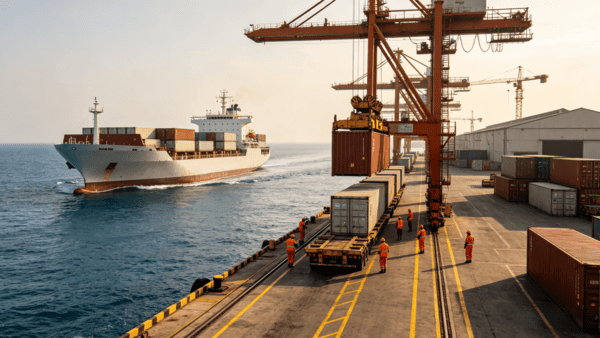
Beyond Dredging: Enhancing Berthing Efficiency
A common mistake among port authorities is focusing solely on dredging without considering other factors that impact berthing efficiency, such as mooring systems and shore power. Modern ports are increasingly adopting automated mooring systems, such as Cavotec’s Moor Master, which reduces mooring time from 40+ minutes to seconds. APM Terminals Tanger Med 2, for example, cut mooring time by 71% and unmooring time by 23% after implementing automated mooring systems, improving overall berthing efficiency even with existing draft limits.
Regional Disparities in Infrastructure Upgrades
Forwarders should note that these infrastructure upgrades are not uniform across all ports, and some regions are progressing more slowly than others. For example, many Southeast Asian and African ports lack the funding to invest in dredging and new berths, meaning draft restrictions will remain a challenge for the foreseeable future. This requires forwarders to remain flexible and adapt their strategies based on the specific conditions of each port.
What Future Trends Will Impact Global Port Depth/Berthing and Draft Restrictions?
Several future trends are expected to impact Global Port Depth/Berthing and draft restrictions, including vessel size growth, environmental regulations, and geopolitical factors. Forwarders who stay ahead of these trends will be better positioned to mitigate risks and capitalize on opportunities.
Continued Growth in Vessel Size
The continued growth of vessel size is one of the most significant trends. According to UNCTAD 2025 data, the number of ULCVs (over 24,000 TEU) is expected to increase by 28% by 2027, with these vessels requiring drafts of 15 meters or more. This will put additional pressure on ports to deepen their channels and berths, as ports that cannot accommodate these vessels risk losing business to deeper competitors.
Environmental Regulations and Draft Implications
Environmental regulations are another key trend. The International Maritime Organization (IMO) is set to finalize a net-zero framework in October 2025, which will reshape how ships are built, fuelled, and operated. Alternative fuel vessels now represent more than 55% of the ship tonnage of new orders, though over 90% of the active fleet still runs on conventional fuels. These new vessels may have different draft requirements, as alternative fuel systems (such as LNG or methanol tanks) can add weight to the hull—potentially increasing draft and exacerbating existing restrictions.
Geopolitical Shifts and Port Access
Geopolitical factors are also expected to impact Global Port Depth/Berthing. According to UNCTAD 2025 data, maritime trade now travels significantly longer distances, with the average voyage haul increasing from 4,831 miles in 2018 to 5,320 miles in 2025, as security concerns redraw the map of global shipping. This shift means forwarders may need to use alternative ports with deeper depths to avoid high-risk routes, even if those ports are further from the final destination.
Forwarder Strategies for Future Trends
The recommended approach for forwarders is to stay informed about these trends and adjust their strategies accordingly. This includes monitoring vessel size developments, tracking environmental regulations, and staying updated on geopolitical risks that may impact port access. By doing so, forwarders can proactively mitigate the impact of draft restrictions and maintain reliable supply chain operations.
In conclusion, Global Port Depth/Berthing is a critical factor that shapes the efficiency and cost-effectiveness of large vessel operations for forwarders worldwide. Draft restrictions, driven by port infrastructure, geography, and seasonal factors, can disrupt supply chains, increase costs, and limit cargo capacity. However, by understanding these restrictions, adopting proactive strategies, and staying ahead of industry trends, forwarders can mitigate their impact and provide reliable service to their clients. As global ports continue to invest in infrastructure upgrades and the shipping industry evolves, Global Port Depth/Berthing will remain a key focus for forwarders seeking to optimize their operations and stay competitive in the global marketplace.
Last
Ultimate Transit Times: How to Achieve Next-Day Delivery on Japan-Korea Routes
The Japan-Korea Next-Day service has become a critical competitive edge for forwarders operating in Northeast Asia, as businesses
Next
The Cost Equation for Australia Shipping: Comparing Air vs. Sea in Dedicated Lines
For global freight forwarders, mastering the cost dynamics of Australia Dedicated Line is critical to optimizing client solutions

