



The global trade of medical devices is expanding steadily, and the demand for a reliable Medical Cold Chain has become increasingly prominent. Forwarders play a pivotal role in connecting manufacturers, distributors, and healthcare providers across borders, making the construction of a high-standard cold chain loop a core task to ensure product safety and compliance.
What Is a High-Standard Cross-Border Medical Cold Chain Loop?
A high-standard cross-border medical cold chain loop refers to an integrated, traceable, and compliant logistics system that maintains the required temperature range throughout the entire cross-border transportation process of medical devices. It covers every link from production to end-user, ensuring product integrity and meeting international regulatory requirements.
Unlike conventional cold chain logistics, cross-border medical device cold chain imposes stricter requirements due to the sensitivity of medical products—even minor temperature fluctuations can impair product performance or render them unusable. This loop is not a linear process but a closed system that integrates pre-transport preparation, in-transit monitoring, customs clearance coordination, and post-delivery verification, with each link interacting and supporting each other to form a seamless operation.
Forwarders should note that a high-standard loop does not merely involve equipping temperature-controlled vehicles or containers; it also requires systematic management of personnel, processes, and technology to achieve full-chain visibility and controllability. Many forwarders mistakenly focus solely on hardware investment while neglecting the optimization of software and processes, which often leads to cold chain breaches or compliance risks.
Why Do Forwarders Need to Prioritize Building a High-Standard Medical Cold Chain Loop?
Forwarders need to prioritize building a high-standard Medical Cold Chain loop due to the growing global demand for medical devices, increasingly stringent international regulations, and the necessity to reduce operational risks and enhance market competitiveness. This investment directly impacts service quality and long-term cooperation with clients.
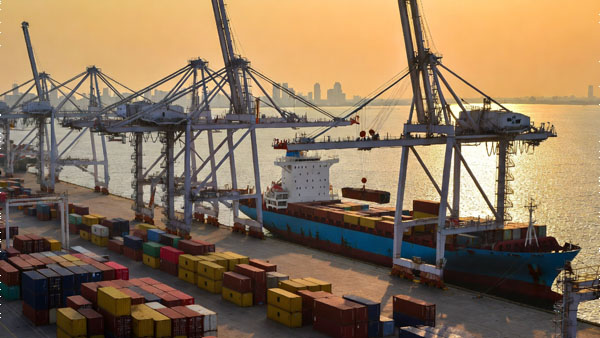
Steady Growth in Global Medical Device Trade Drives Cold Chain Demand
First, the global medical device trade maintains steady growth, fueling demand for professional cold chain services. According to data from the China Chamber of Commerce for Import and Export of Medicines and Health Products, China's total trade in medical devices reached $89.6 billion in 2025, a year-on-year increase of 5.3 percent. High-value consumables, advanced medical equipment, and in vitro diagnostic reagents account for over 60% of this trade, and these products rely heavily on stable cold chain transportation to maintain their functionality and efficacy.
Additionally, the global medical device logistics market is expanding rapidly. According to ITC Trade Map 2026 Q1 data, the global medical device logistics market size is expected to reach $187.2 billion by the end of 2026, with the cold chain segment accounting for 42% of the total market, reflecting the growing importance of professional Medical Cold Chain services.
Stringent International Regulations Mandate High-Standard Cold Chains
Second, international regulatory requirements for medical device cold chains are becoming more stringent. The EU’s GDP (Good Distribution Practice) guidelines, China’s GSP (Good Supply Practice) standards, and Japan’s PMDA (Pharmaceuticals and Medical Devices Agency) certification all impose strict requirements on temperature monitoring, traceability, and documentation throughout the cold chain process.
Non-compliance can result in goods being detained, destroyed, or fined. For instance, the EU’s EudraGMDP database recorded 1,287 cold chain non-compliance cases in 2025, with an average fine of €245,000 per case. Such incidents not only cause economic losses but also damage the forwarder’s reputation and long-term cooperation opportunities.
Long-Term Investment vs. Short-Term Cost: A Strategic Choice
The recommended approach is for forwarders to view high-standard cold chain construction as a long-term investment rather than a short-term cost. By meeting regulatory requirements and ensuring product safety, forwarders can attract more high-value clients, such as pharmaceutical companies and medical device manufacturers, and gain an edge in the competitive cross-border logistics market.
A common mistake is that some forwarders only meet the minimum regulatory requirements to cut costs, ignoring potential risks. For example, using outdated temperature monitoring equipment that cannot provide real-time data or failing to train personnel on cold chain operations can lead to cold chain breaches, resulting in costly product losses and legal disputes. According to a 2025 industry survey, 37% of cold chain-related product losses are caused by inadequate equipment and untrained personnel.
What Are the Core Components of a High-Standard Cross-Border Medical Cold Chain Loop?
The core components of a high-standard cross-border medical cold chain loop include temperature-controlled transportation equipment, real-time monitoring systems, compliant documentation management, professional personnel, and efficient customs clearance coordination. These components work synergistically to ensure the safety and compliance of medical devices during cross-border transportation.
Temperature-Controlled Transportation Equipment: The Foundation of Cold Chain Stability
Temperature-controlled transportation equipment is the physical foundation of the Medical Cold Chain, as it directly determines whether the temperature of medical devices can be maintained within the required range throughout the transportation process. Different types of medical devices have distinct temperature control standards, and equipment selection must be based on product characteristics.
Temperature Requirements for Different Medical Device Types
For example, in vitro diagnostic reagents typically require a temperature range of 2-8℃, while some advanced biological products (such as cell therapies) may need ultra-low temperature storage at -70℃ or even lower. Blood products and vaccines often require a strict 2-8℃ range, with no more than 12 hours of cumulative temperature deviation per transportation cycle.
Common Equipment Types and Industry Trends
Common temperature-controlled equipment includes refrigerated containers (reefers), insulated packaging with phase change materials (PCMs), and refrigerated trucks equipped with advanced cooling systems. According to UNCTAD 2026 Q1 data, the global usage of refrigerated containers in medical cold chain transportation increased by 18% compared to 2025, with 40RF reefers accounting for 62% of the total usage due to their larger capacity and better temperature stability.
Forwarders should note that equipment selection is not just about meeting temperature requirements; it also needs to consider factors such as durability, energy efficiency, and compatibility with cross-border transportation modes. For air freight, lightweight and compact insulated packaging with PCMs is preferred to reduce transportation costs, while sea freight requires robust reefers with advanced refrigeration systems to withstand long-term transportation and environmental changes.
Real-Time Monitoring Systems: Ensuring Full-Chain Visibility
Real-time monitoring systems are essential for maintaining the transparency and traceability of the Medical Cold Chain, allowing forwarders to track temperature changes, humidity levels, and vehicle location in real time and respond promptly to abnormalities. These systems are a core requirement for meeting international regulatory standards such as EU GDP and China GSP.
Key Monitoring Indicators: The core monitoring indicators include temperature, humidity, shock, and light exposure. Temperature sensors should be placed at multiple points (including the center, edge, and top of the cargo space) to ensure accurate monitoring of the entire cargo area, with data recorded at intervals of no more than 30 minutes as required by most international regulations.
Technology Application: IoT (Internet of Things) and edge computing technologies are widely used in modern monitoring systems. New-generation temperature control devices are embedded with self-calibration chips that collect temperature data every 5 minutes and transmit it to a blockchain platform in an encrypted manner to prevent manual tampering. Some forwarders also use Time-Temperature Integration (TTI) algorithms to allow short-term temperature overruns while ensuring the cumulative exposure value does not exceed the critical threshold.
Alert Mechanisms: The monitoring system should be equipped with a real-time alert mechanism. When the temperature exceeds the set range, the system will send notifications to relevant personnel via SMS, email, or mobile applications, enabling timely intervention. For example, if a refrigeration system fails during transportation, the forwarder can quickly arrange for a backup vehicle or transfer the goods to a nearby qualified cold storage facility to avoid product damage.
Compliant Documentation Management: Meeting Regulatory Requirements
Compliant documentation management is a key link in cross-border medical cold chain logistics, as it directly affects customs clearance efficiency and regulatory compliance. Forwarders need to prepare a complete set of documents to prove that the cold chain process meets international and local regulatory requirements.
Core Documents: Core documents include temperature monitoring records (TMRs), Certificate of Conformity (CoC), customs declarations, and inspection reports. Temperature monitoring records should be complete and accurate, covering the entire transportation process from departure to arrival, and should be signed and confirmed by relevant personnel. Product certification includes certificates of origin, quality inspection reports, and compliance certificates issued by relevant authorities (such as NMPA in China and FDA in the US).
Documentation Standards: Documentation should be standardized and consistent with the requirements of the destination country or region. For example, the EU requires electronic temperature records accurate to 0.5℃ and stored for at least 5 years, while some regions in Southeast Asia only accept paper records, requiring forwarders to develop multi-format compatible systems. A common mistake is that some forwarders fail to standardize document formats, leading to customs clearance delays or even rejection of goods.
Document Retention: According to most international regulations (including EU GDP and China GSP), cold chain-related documents should be retained for at least 5 years or until the expiration of the product’s validity period, whichever is longer. Forwarders should establish a standardized document management system (preferably electronic) to ensure that documents are properly stored and easily retrievable when needed for regulatory inspections.
Professional Personnel: Guaranteeing Standardized Operations
Professional personnel are the key to ensuring the smooth operation of the Medical Cold Chain, as their operational skills and professional knowledge directly affect the safety and compliance of the cold chain process. Forwarders need to invest in personnel training and management to improve their professional quality.
Training Content: Training content should include cold chain operation standards, temperature control technology, regulatory requirements, emergency handling, and product knowledge. For example, personnel should be familiar with the temperature requirements of different types of medical devices, the operation of temperature monitoring equipment, and the procedures for handling temperature abnormalities or transportation delays. Training on Good Distribution Practice (GDP) and Hazard Analysis and Critical Control Points (HACCP) is also essential.
Certification Requirements: Some countries and regions require cold chain personnel to hold professional certifications. For example, the EU’s GDP guidelines require cold chain operators to receive regular training and pass assessments to obtain GDP certification. In China, personnel engaged in medical cold chain operations must hold a professional qualification certificate issued by the local drug supervision and administration department. Forwarders should encourage their personnel to obtain relevant certifications to enhance service quality and compliance.
Responsibility Allocation: Clear responsibility allocation is essential to avoid operational errors. Forwarders should establish a clear organizational structure, defining the responsibilities of each personnel in the cold chain process, from pre-transport preparation to post-delivery verification. This ensures that any problems can be traced to the responsible person and resolved promptly.
Efficient Customs Clearance Coordination: Reducing Transportation Delays
Efficient customs clearance coordination is crucial for cross-border medical cold chain logistics, as delays in customs clearance can lead to temperature fluctuations and product damage. Forwarders need to establish close cooperation with customs authorities and relevant agencies to ensure smooth customs clearance.
Pre-Declaration and Simplified Clearance Measures
The recommended approach is for forwarders to adopt a pre-declaration system, submitting relevant documents to customs in advance to shorten the customs clearance time. For example, using the ATA Carnet can simplify the customs clearance process for temporary imports and exports of medical devices, reducing delays by 30-40%. Additionally, forwarders should be familiar with the customs clearance requirements of different countries and regions, including prohibited items, inspection standards, and document requirements, to avoid unnecessary delays.
Special Inspections and Approval Coordination
Forwarders should note that some medical devices may require special inspections or approvals from the destination country’s regulatory authorities. For example, in China, imported medical devices need to obtain NMPA (National Medical Products Administration) approval before customs clearance. In the US, medical devices must comply with FDA (Food and Drug Administration) regulations and obtain 510(k) clearance or PMA (Pre-Market Approval) as applicable. Forwarders should coordinate with manufacturers in advance to ensure that all necessary approvals are obtained to avoid customs clearance failures.
How Can Forwarders Build a High-Standard Cross-Border Medical Cold Chain Loop?
Building a high-standard cross-border Medical Cold Chain loop requires forwarders to adopt a systematic approach, covering equipment upgrading, technology application, process optimization, personnel training, and partner cooperation. The following steps provide a practical framework for forwarders to implement this construction.
Conduct a Comprehensive Needs Assessment: Before starting the construction, forwarders should conduct a comprehensive needs assessment based on their client base, product types, and target markets. This includes understanding the temperature requirements of different medical devices, the regulatory requirements of destination countries, and the pain points of existing cold chain processes. For example, if a forwarder mainly serves clients exporting in vitro diagnostic reagents to the EU, it needs to focus on meeting the EU’s GDP guidelines and temperature monitoring requirements.
Upgrade Temperature-Controlled Equipment and Technology: Based on the needs assessment, forwarders should invest in upgrading temperature-controlled equipment and monitoring technology. This may include purchasing advanced refrigerated containers, insulated packaging with phase change materials, and real-time monitoring systems. According to data from the China Federation of Logistics and Purchasing 2025, cold chain logistics enterprises that have upgraded their equipment and technology have reduced cold chain breach risks by an average of 35%. The recommended approach is to choose equipment and technology that are compatible with multiple transportation modes to ensure flexibility in cross-border transportation.
Optimize Cold Chain Processes: Forwarders need to optimize the entire cold chain process, from pre-transport preparation to post-delivery verification, to ensure seamless operation. This includes establishing standardized operating procedures (SOPs) for loading and unloading, temperature monitoring, and emergency handling. For example, developing detailed loading and unloading guidelines to avoid damage to temperature-controlled equipment or goods, and formulating emergency plans for temperature abnormalities, transportation delays, and natural disasters. A common mistake is that some forwarders optimize only individual links rather than the entire process, leading to inefficiencies and risks.
Strengthen Personnel Training and Management: Forwarders should establish a regular training system to improve the professional quality of their personnel. Training should be conducted quarterly, covering new regulatory requirements, equipment operation, and emergency handling. Additionally, forwarders should establish a performance evaluation system to encourage personnel to comply with operating standards and improve service quality. For example, linking performance evaluations to cold chain compliance and customer satisfaction can motivate personnel to perform their duties effectively.
Establish Strategic Partnerships: Building a high-standard cold chain loop requires cooperation from multiple partners, including manufacturers, cold storage providers, transportation companies, and customs brokers. Forwarders should establish strategic partnerships with reliable partners to ensure the stability and reliability of the cold chain. For example, cooperating with cold storage providers with GSP certification can ensure that goods are stored in a compliant environment during transit, while cooperating with experienced customs brokers can simplify the customs clearance process.
Continuously Monitor and Improve the Loop: A high-standard cold chain loop is not a one-time construction but a continuous improvement process. Forwarders should regularly monitor the operation of the cold chain, collect feedback from clients and partners, and identify areas for improvement. For example, analyzing temperature monitoring data to identify potential risks, and adjusting processes or equipment to reduce cold chain breaches. Additionally, forwarders should keep abreast of the latest regulatory changes and technological developments to ensure that the cold chain loop remains compliant and efficient.
What Are the Common Challenges in Building a High-Standard Medical Cold Chain Loop, and How to Address Them?
Forwarders often face multiple challenges when building a high-standard cross-border Medical Cold Chain loop, including high operational costs, regulatory differences between countries, technical bottlenecks, and talent shortages. Understanding these challenges and adopting effective solutions is crucial for successful loop construction.
Challenge 1: High Operational Costs
High operational costs are one of the most common challenges for forwarders, as upgrading equipment, adopting new technologies, and training personnel require significant investment. Many small and medium-sized forwarders struggle to bear these costs, leading to difficulties in improving cold chain standards.
The recommended approach is for forwarders to adopt a phased investment strategy, focusing on key links first and gradually expanding the scope of upgrading. For example, prioritizing the upgrade of temperature monitoring systems and core transportation equipment, and then investing in personnel training and process optimization. Additionally, forwarders can reduce costs by cooperating with other forwarders or sharing cold chain resources. For example, joint investment in temperature-controlled containers or cold storage facilities can reduce the financial burden on individual forwarders. According to a 2025 industry report by the International Federation of Freight Forwarders Associations (FIATA), forwarders that adopt resource-sharing models have reduced cold chain operational costs by an average of 22%.
Challenge 2: Regulatory Differences Between Countries
Regulatory differences between countries and regions pose a major challenge for cross-border medical cold chain logistics. Different countries have different requirements for temperature monitoring, documentation, and product certification, making it difficult for forwarders to ensure compliance in multiple markets.
Forwarders should note that establishing a dedicated regulatory research team is essential to address this challenge. The team should track the latest regulatory changes in major markets, including the EU, the US, China, and Japan, and provide guidance for the cold chain process. Additionally, forwarders can cooperate with local partners in the destination country to gain a better understanding of local regulatory requirements and ensure compliance. For example, cooperating with local customs brokers or logistics companies with local regulatory expertise can help forwarders navigate complex local regulations and avoid compliance risks.
Challenge 3: Technical Bottlenecks
Technical bottlenecks, such as the lack of advanced temperature monitoring technology or the incompatibility of monitoring systems between different partners, can affect the efficiency and reliability of the cold chain loop. For example, some forwarders use outdated monitoring equipment that cannot provide real-time data, while others face difficulties in integrating data from different partners into a unified platform.
The recommended approach is for forwarders to choose mature and compatible technologies and establish a unified data platform. For example, adopting cloud-based monitoring systems that can integrate data from different transportation modes and partners, allowing for real-time tracking and analysis. Additionally, forwarders should cooperate with technology providers to continuously upgrade their systems and address technical bottlenecks. For example, working with IoT companies to develop customized monitoring solutions that meet the specific needs of medical cold chain logistics, such as real-time temperature calibration and predictive maintenance.
Challenge 4: Talent Shortages
Talent shortages are a common problem in the medical cold chain industry, as it requires personnel with professional knowledge of both logistics and medical regulations. Many forwarders struggle to recruit and retain qualified personnel, affecting the operation of the cold chain loop.
Forwarders can address this challenge by establishing a talent training and retention system. This includes cooperating with vocational schools or universities to cultivate professional talents, providing on-the-job training and career development opportunities for existing personnel, and offering competitive salaries and benefits to retain talents. Additionally, forwarders can attract talents by promoting the importance of medical cold chain logistics and highlighting the industry’s development prospects. According to a 2025 survey by the Global Cold Chain Alliance (GCCA), forwarders with完善的 talent training systems have a 40% lower staff turnover rate than those without.
What Is the Future Trend of Cross-Border Medical Cold Chain Logistics, and How Should Forwarders Respond?
The future of cross-border medical cold chain logistics is characterized by digitization, intelligence, greenization, and integration. Forwarders need to keep abreast of these trends and adjust their strategies to maintain competitiveness in the market.
Digitization and Intelligence: The Core Driving Forces
Digitization and intelligence will become the core driving forces of the industry. With the development of IoT, big data, and artificial intelligence (AI), cold chain logistics will become more transparent and efficient. For example, AI-powered route optimization can reduce transportation time and costs by 15-20%, while predictive maintenance can prevent equipment failures and cold chain breaches by 30%. Forwarders should invest in digital transformation, adopting advanced technologies such as blockchain for traceability and AI for data analysis to improve the efficiency and reliability of the cold chain loop.
Greenization: Meeting Global Environmental Requirements
Greenization is another important trend, driven by global environmental protection requirements. Cold chain logistics consumes a large amount of energy, and there is growing pressure to reduce carbon emissions. Forwarders should adopt green technologies and practices, such as using energy-efficient temperature-controlled equipment, optimizing transportation routes to reduce fuel consumption, and using recyclable packaging materials.
According to UNCTAD 2026 Q1 data, the adoption of green cold chain technologies (such as solar-powered refrigeration systems and energy-efficient reefers) can reduce carbon emissions by 25-35% while reducing operational costs by 10-15%. Additionally, the use of environmentally friendly refrigerants (such as R404A and R507) is becoming a regulatory requirement in many countries, further promoting the green transformation of the industry.
Integration: Providing One-Stop Cold Chain Solutions
Integration will become more prominent, with forwarders expanding their service scope to provide one-stop cold chain solutions. This includes integrating transportation, storage, customs clearance, and distribution services, as well as cooperating with manufacturers and healthcare providers to form a closed-loop supply chain. Forwarders that can provide integrated services will be more competitive in the market, as they can meet the diverse needs of clients and reduce the complexity of cross-border logistics.
Forwarders’ Response Strategies
Forwarders should note that adapting to these trends requires continuous learning and innovation. By investing in technology, optimizing processes, and cultivating talents, forwarders can build a more efficient, compliant, and sustainable high-standard Medical Cold Chain loop, meeting the growing demand for cross-border medical device logistics and achieving long-term development in the industry.
In conclusion, building a high-standard cross-border Medical Cold Chain loop is essential for forwarders to succeed in the global medical device logistics market. It requires a systematic approach, covering equipment, technology, processes, personnel, and partnerships, as well as effective solutions to address common challenges. By adhering to regulatory requirements, adopting advanced technologies, and continuously improving service quality, forwarders can ensure the safety and compliance of medical devices during cross-border transportation, enhance client trust, and gain a competitive advantage. As the global medical device trade continues to grow, the importance of a high-standard Medical Cold Chain will only increase, and forwarders that prioritize its construction will be well-positioned to seize new opportunities in the industry.
Last
Ending the 'Handle with Care' Dilemma: Best Practices for Fragile Goods Packaging
For global freight forwarders, managing fragile cargo is a persistent challenge, and effective Fragile Goods Reinforcement is key
Next
Apparel Export Solutions: Why GOH Sea Freight is the Preferred Choice for Fashion
In the competitive world of fashion exports, forwarders are constantly seeking reliable, cost-effective shipping solutions that pr