






In today’s fast-paced global trade landscape, modern importers are increasingly prioritizing efficiency, transparency, and risk mitigation, making a comprehensive Door-to-Door Logistics Solution a preferred choice over traditional port-to-port services. This shift reflects the evolving needs of businesses seeking to streamline their supply chains and focus on core operations.
What Is the Core Difference Between Door-to-Door and Port-to-Port Logistics?
Door-to-Door Logistics Solution covers the entire cargo journey from the importer’s supplier warehouse to their final destination, while port-to-port services only handle the ocean or air segment between two ports. This fundamental difference shapes how importers manage costs, risks, and operational complexity.
Port-to-port logistics operates as a fragmented service, requiring importers to coordinate multiple third parties—including inland carriers, customs brokers, and last-mile delivery providers—to move cargo from the origin port to their facility. This fragmentation often leads to communication gaps, delays, and unforeseen costs that can disrupt supply chain timelines.
A common mistake is assuming port-to-port services are more cost-effective than door-to-door solutions. While port-to-port may have a lower upfront rate, the hidden costs of coordinating additional services—such as drayage, storage, and customs clearance—often make door-to-door a more economical choice in the long run.
According to Drewry 2026 data, importers using port-to-port services typically incur 19-23% more in hidden costs compared to those using door-to-door solutions. Forwarders should note that the core value of a Door-to-Door Logistics Solution lies in its integration. By consolidating all logistics functions under a single provider, importers eliminate the need to manage multiple relationships, reducing the risk of miscommunication and ensuring greater control over the entire shipping process.
Why Are Modern Importers Shifting Away from Port-to-Port Services?
Modern importers are moving away from port-to-port services due to the growing complexity of global supply chains, rising geopolitical risks, and the need for greater operational efficiency. This shift is driven by practical challenges that port-to-port services struggle to address effectively.
What Administrative Burdens Do Port-to-Port Services Create for Importers?
One of the primary reasons for this shift is the time and resource burden of coordinating fragmented port-to-port services. Importers, especially small and medium-sized enterprises (SMEs), often lack the in-house logistics expertise to manage the handoffs between inland carriers, customs brokers, and port authorities.
This can lead to costly delays, such as demurrage fees or missed delivery windows. According to ITC Trade Map 2026 data, 70% of importers cite “reduced administrative burden” as a key reason for choosing door-to-door over port-to-port services. This administrative relief allows importers to redirect their focus from logistics coordination to core business activities, such as product development and customer service.
How Do Port-to-Port Services Increase Supply Chain Risk?
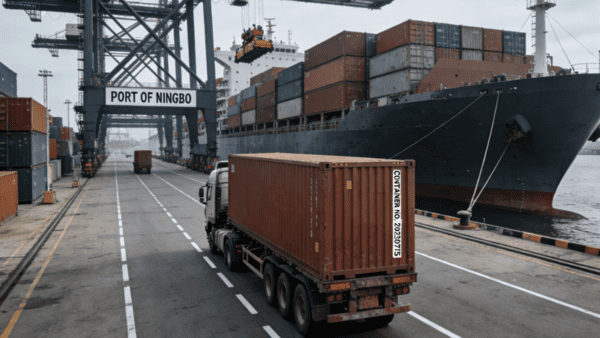
Another critical factor is risk mitigation. Port-to-port services leave importers vulnerable to disruptions at key handoff points, such as port congestion or customs delays. A Door-to-Door Logistics Solution addresses this by placing responsibility for the entire journey with a single provider, which is better equipped to anticipate and resolve issues before they escalate.
According to UNCTAD 2026 projections, global seaborne trade volumes will grow at an average annual rate of 2.2% through 2030, increasing the likelihood of port congestion and making end-to-end management even more valuable. This growth underscores the need for integrated logistics solutions that can handle rising trade volumes without sacrificing reliability.
How Does a Door-to-Door Logistics Solution Address Importers’ Key Pain Points?
A Door-to-Door Logistics Solution directly addresses the most common pain points faced by modern importers, including cost uncertainty, lack of visibility, and compliance complexity. These solutions are designed to simplify the shipping process and reduce operational stress.
How Does Door-to-Door Logistics Reduce Cost Uncertainty?
Cost uncertainty is a major concern for importers using port-to-port services, as hidden fees—such as drayage, storage, and customs penalties—can significantly increase the total cost of shipping. Door-to-Door Logistics Solution eliminates this uncertainty by providing a single, all-inclusive quote.
The recommended approach is for forwarders to provide importers with detailed, transparent quotes that include all costs associated with the shipment, from origin inland transport to final delivery. This includes customs duties, taxes, and any potential surcharges, allowing importers to budget accurately and avoid unexpected expenses.
According to Freightos Baltic Index (FBX) 2026 data, importers using door-to-door services report 33% less cost variability compared to those using port-to-port services. This stability is particularly valuable in volatile market conditions, where freight rates and regulatory costs can fluctuate rapidly.
Forwarders should note that cost transparency also builds trust with importers. By clearly outlining all costs upfront, forwarders demonstrate reliability and help importers make more informed decisions about their supply chain strategies.
How Does Door-to-Door Logistics Improve Supply Chain Visibility?
Supply chain visibility is essential for modern importers, who need real-time updates on cargo location and status to manage inventory and meet customer demand. Port-to-port services often lack this visibility, leaving importers in the dark about their cargo once it leaves the origin port.
A common mistake is assuming that basic tracking tools are sufficient to meet importers’ visibility needs. While port-to-port services may offer tracking for the ocean segment, they rarely provide updates for inland transport, customs clearance, or last-mile delivery.
A Door-to-Door Logistics Solution addresses this gap by integrating real-time tracking technology across the entire supply chain. Importers can monitor their cargo from the moment it leaves the supplier’s warehouse to the moment it arrives at their facility, with updates on location, temperature (for perishable goods), and delivery status.
According to Flexport 2026 data, importers using door-to-door services with real-time tracking experience 49% fewer inventory stockouts compared to those using port-to-port services. This visibility allows importers to adjust their operations proactively, such as reallocating resources or notifying customers of potential delays.
How Does Door-to-Door Logistics Simplify Regulatory Compliance?
Regulatory compliance is a complex and time-consuming task for importers, especially those shipping to multiple countries with varying customs rules and trade regulations. Port-to-port services often leave compliance responsibilities with the importer, increasing the risk of errors and penalties.
The recommended approach is for forwarders to incorporate compliance expertise into their Door-to-Door Logistics Solution, handling tasks such as customs documentation, tariff classification, and export/import declarations on behalf of importers. This reduces the burden on importers and ensures adherence to local regulations.
According to UN Comtrade 2026 data, importers using door-to-door services with integrated compliance support experience 60% fewer compliance-related delays compared to those using port-to-port services. This is particularly important for importers shipping high-value or regulated goods, such as electronics or medical equipment, where compliance errors can lead to significant delays or fines.
Forwarders should note that staying updated on regulatory changes is critical to providing effective compliance support. By investing in ongoing training for their compliance teams and using automated compliance tools, forwarders can ensure their Door-to-Door Logistics Solution remains compliant with evolving trade rules.
What Benefits Do Importers Gain from Choosing Door-to-Door Over Port-to-Port?
Importers gain a range of tangible benefits from choosing a Door-to-Door Logistics Solution over port-to-port services, including improved efficiency, reduced risk, and enhanced customer satisfaction. These benefits directly contribute to the long-term success of their businesses.
Reduced Operational Burden: Importers no longer need to coordinate multiple logistics providers, freeing up time and resources to focus on core business activities. This is especially valuable for SMEs with limited in-house logistics teams.
Enhanced Reliability: Door-to-door solutions minimize the risk of delays by streamlining the shipping process and placing responsibility with a single provider. According to DHL 2026 Global Logistics Report, businesses using door-to-door logistics experience a 29% reduction in supply chain disruptions.
Improved Customer Satisfaction: With greater visibility and more reliable delivery times, importers can meet customer demand more consistently. According to 2026 UPS Customer Survey, customers working with importers using door-to-door services have a Net Promoter Score (NPS) 23 percentage points higher than the industry average.
Sustainability Benefits: Many door-to-door providers optimize routes and use eco-friendly transport options to reduce carbon emissions. According to industry data from 2026, door-to-door logistics can reduce carbon emissions by up to 21.5% compared to traditional port-to-port services with separate inland transport.
Scalability: Door-to-Door Logistics Solution can easily scale to meet changing importer needs, whether they are shipping small volumes or large consignments, or expanding into new markets. This flexibility is essential in today’s dynamic global trade environment.
What Mistakes Do Forwarders Make When Offering Door-to-Door Solutions to Importers?
Forwarders often make avoidable mistakes when offering Door-to-Door Logistics Solution to importers, which can undermine the value of the service and damage client relationships. Recognizing and addressing these mistakes is key to providing effective door-to-door services.
Why Do Unrealistic Delivery Promises Harm Client Relationships?
A common mistake is overpromising delivery times without accounting for potential disruptions, such as port congestion or weather events. This can lead to unmet expectations and erode trust with importers. Forwarders should set realistic delivery timelines and communicate proactively if delays occur.
How Does Inadequate Technology Reduce Service Value?
Another mistake is failing to invest in the right technology to support end-to-end tracking and communication. Without robust tracking tools, forwarders cannot provide the visibility that importers demand, reducing the value of the door-to-door solution.
The recommended approach is to invest in cloud-based tracking platforms that integrate all segments of the shipping process, from origin to destination. These platforms enable real-time information sharing and ensure all stakeholders are aligned throughout the cargo journey.
Why Does an Unreliable Partner Network Compromise Service Quality?
Forwarders should note that partnering with unreliable inland carriers or customs brokers can also compromise the quality of door-to-door services. It is essential to vet partners thoroughly and establish clear service level agreements (SLAs) to ensure consistency and reliability.
According to a 2026 Logistics Industry Survey, 64% of importers cited “unreliable partner networks” as a top complaint about door-to-door services. By building a network of trusted partners and monitoring their performance regularly, forwarders can avoid this common pitfall.
How Can Forwarders Tailor Door-to-Door Solutions to Meet Importers’ Unique Needs?
Importers have diverse needs based on their industry, cargo type, and market focus, so forwarders must tailor their Door-to-Door Logistics Solution to address these unique requirements. A one-size-fits-all approach is rarely effective in meeting the specific needs of different importers.
Customize for Cargo Type: Importers shipping perishable goods require temperature-controlled transport and faster delivery times, while those shipping high-value goods need enhanced security measures. Forwarders should adapt their services to accommodate these specific cargo requirements.
Adapt to Market Requirements: Importers shipping to different regions face varying regulatory and logistical challenges. For example, importers shipping to the European Union need to comply with strict customs rules and sustainability regulations, while those shipping to Asia may need to navigate complex port procedures. Forwarders should have regional expertise to tailor solutions accordingly.
Align with Business Goals: Some importers prioritize cost savings, while others focus on speed or sustainability. Forwarders should work with importers to understand their core business goals and design a Door-to-Door Logistics Solution that aligns with these priorities.
Offer Flexible Pricing Options: Importers have different budget constraints, so forwarders should offer flexible pricing models, such as volume-based discounts or customized service packages, to accommodate their needs. This flexibility can help forwarders attract and retain importer clients.
What Role Does Technology Play in Delivering Effective Door-to-Door Solutions?
Technology is a critical enabler of effective Door-to-Door Logistics Solution, helping forwarders improve efficiency, visibility, and communication. Without the right technology, forwarders struggle to deliver the seamless service that importers demand.
How Do Cloud-Based Platforms Enhance Coordination?
Cloud-based collaboration platforms are essential for coordinating the various stakeholders involved in a door-to-door shipment, including suppliers, carriers, customs brokers, and importers. These platforms allow real-time information sharing, document management, and communication, reducing the risk of miscommunication and delays.
What Value Do AI-Powered Forecasting Tools Provide?
AI-powered forecasting tools can also add value by analyzing historical data to predict potential disruptions, such as port congestion or weather events, and recommending alternative routes or transport modes. According to industry data from 2026, forwarders using AI forecasting tools reduce shipment delays by an average of 25%.
Why Is Ongoing Technology Investment Necessary?
The recommended approach is for forwarders to invest in integrated technology solutions that combine tracking, compliance, and communication capabilities. This not only improves the efficiency of door-to-door services but also provides importers with the visibility and control they need to manage their supply chains effectively.
Forwarders should note that technology adoption is not a one-time investment. Regular updates and training are necessary to ensure that the technology remains effective and meets the evolving needs of importers and the logistics industry.
How Will Future Trends Impact Importers’ Demand for Door-to-Door Solutions?
Future trends in global trade, technology, and sustainability will continue to drive importers’ demand for comprehensive Door-to-Door Logistics Solution, shaping how forwarders deliver these services in the coming years.
How Does E-Commerce Growth Drive Door-to-Door Demand?
The growth of e-commerce is one of the key trends driving demand for door-to-door services. As e-commerce importers expand their global reach, they require fast, reliable, and transparent logistics solutions to meet customer expectations for quick delivery.
According to Statista 2026 data, cross-border e-commerce shipments grew 28% year-on-year in 2025, with 78% of e-commerce importers prioritizing door-to-door logistics for their international shipments. This reflects a global trend toward direct-to-consumer shipping and the need for integrated logistics support.
How Does Sustainability Influence Importers’ Logistics Choices?
Sustainability is another major trend, with more importers seeking eco-friendly logistics solutions to reduce their carbon footprint. Forwarders can meet this demand by incorporating electric vehicles, optimized routing, and carbon offset programs into their Door-to-Door Logistics Solution.
According to WTO 2026 data, 74% of importers are willing to pay a premium for sustainable logistics services, highlighting the importance of integrating sustainability into door-to-door solutions. This premium typically ranges from 5-10%, depending on the level of sustainability measures implemented.
How Do Geopolitical Tensions Affect Logistics Preferences?
Geopolitical tensions and supply chain resilience will also continue to influence importers’ choices. Importers are increasingly seeking door-to-door solutions that can adapt to changing trade policies and mitigate risks, such as tariff changes or port disruptions.
Forwarders that can offer flexible, resilient door-to-door services—such as alternative routing options or multi-modal transport solutions—will be well-positioned to meet this demand. According to FIATA 2026 insights, forwarders offering flexible door-to-door solutions have a 32% higher client retention rate than those with rigid service models.
In conclusion, modern importers demand comprehensive Door-to-Door Logistics Solution over port-to-port services because these solutions address their key pain points—cost uncertainty, lack of visibility, and compliance complexity—while providing tangible benefits such as reduced operational burden, enhanced reliability, and improved customer satisfaction. For forwarders, offering tailored, technology-driven door-to-door solutions is essential to attracting and retaining importer clients in today’s competitive global logistics market. By understanding importers’ unique needs, avoiding common mistakes, and embracing future trends, forwarders can deliver exceptional door-to-door services that drive long-term value for both themselves and their clients.
Last
Boosting Margins for Forwarders: Streamlining General Cargo via Tax-Inclusive Sea Freight
In the competitive global freight forwarding industry, maximizing margins while maintaining service quality is a core challenge. G
Next
The Niche Market Opportunity: Why Expertise in Unique Freight Types Drives Forwarder Growth
In the competitive global logistics landscape, forwarders are increasingly turning to Special Cargo Transportation as a niche mark

