




China to Mexico Cross Border freight operations rely heavily on optimized sea-rail intermodal workflows to mitigate transit delays and strengthen supply chain stability for global forwarders and commercial shippers. Bilateral trade volumes between the two economies have maintained steady growth in recent years, pushing logistics providers to refine cost structures and transit schedules amid volatile global shipping cycles and evolving cross-border clearance protocols.
What Defines Sea-Rail Intermodal Transit for China to Mexico Cross Border Freight?
Sea-rail intermodal transit refers to a combined logistics mode that integrates ocean carriage and overland railway haulage to form connected cross-border freight corridors between China and Mexico. This intermodal framework reduces redundant cargo handling procedures, links major coastal container terminals and inland rail depots, and serves as one of the mainstream logistics solutions for containerized and bulk cargo on China-Mexico cross-border routes.
Intermodal sea-rail solutions deliver balanced operational merits compared with standalone ocean or air freight services. They avoid the substantial premium costs associated with air freight while cutting idle port dwell time common in port-to-port exclusive ocean shipping. According to UNCTAD 2024 maritime trade reports, intermodal sea-rail configurations for Asia-Latin America trade routes reduce cargo detention duration by roughly 18 percent on average versus traditional single-sea transportation models.
Forwarders should note that China to Mexico cross-border sea-rail intermodal networks cover Pacific coastal shipping lanes and matched inland transit corridors. Each route set carries unique customs clearance requirements, rail operation cycles, and congestion exposure factors that shape overall end-to-end transit performance.
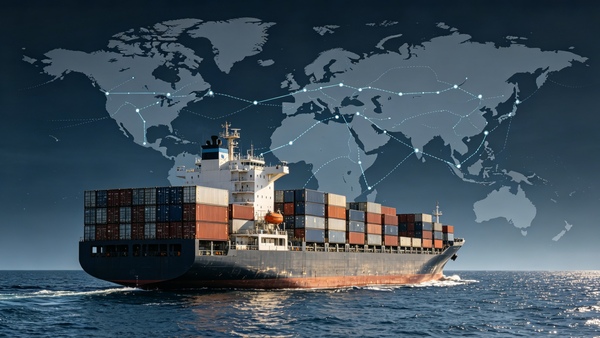
What Causes Transit Time Losses on Conventional China-Mexico Freight Routes?
Conventional China-Mexico freight routing generates avoidable transit inefficiencies due to segmented transportation structures and outdated cross-border operational protocols. Most traditional logistics workflows separate ocean shipping and inland ground transportation, lacking unified scheduling systems and end-to-end cargo tracking mechanisms for cross-border commodity shipments.
Key Operational Bottlenecks in Traditional Logistics
Multiple interconnected factors contribute to extended transit cycles for cross-border freight. Terminal congestion, misaligned vessel and rail departure timetables, manual document verification procedures, and inefficient intermodal transshipment workflows are recurring pain points for international forwarding businesses. According to Freightos Baltic Index 2025 quarterly shipping analytics, seasonal peak periods raise port dwell duration for China-Mexico container cargo by around 22 percent due to poorly coordinated intermodal handover processes.
A common mistake is that many logistics practitioners prioritize short-term ocean freight cost reductions while overlooking subsequent rail transit holdups and customs clearance delays. Such cost-centric operational habits extend overall supply chain lead times and accumulate unplanned expenses related to container detention and demurrage for cross-border shipments.
Which Core Logistics Nodes Require Sea-Rail Intermodal Optimization?
Efficient streamlining for China to Mexico cross-border sea-rail transit depends on targeted improvements across four critical logistics nodes that govern full-cycle delivery performance. These interconnected links cover port terminal operations, cross-border ocean carriage, inland rail transshipment, and bilateral customs clearance, forming a closed-loop intermodal transportation system.
Port departure schedule synchronization: Departure timetables at Chinese coastal container terminals and connecting inland rail haulage schedules require precise coordination. Misaligned schedules lead to container yard accumulation and missed rail connection windows, prolonging pre-departure idle periods by three to seven days during seasonal shipping peaks.
Cross-border customs clearance standardization: Divergent document verification standards between Chinese and Mexican customs administrations trigger repeated audit procedures and temporary cargo holds. Unified cross-border declaration templates help streamline review workflows and shorten clearance cycles for intermodal shipments.
Inland rail terminal transshipment capacity: Mexican inland rail hubs frequently experience cargo backlogs stemming from insufficient handling equipment allocation and suboptimal yard operation management. Dynamic rail wagon deployment and semi-automated cargo sorting systems improve overall transshipment throughput.
Cross-modal cargo tracking integration: Isolated monitoring systems for ocean and rail transportation segments create limited cargo visibility throughout transit. Unified digital tracking ecosystems support real-time shipment status updates and proactive risk mitigation for cross-border freight.
How Can Forwarders Optimize China-Mexico Sea-Rail Transit Efficiency?
Data-driven route planning and standardized operational protocols serve as the foundation for refined China to Mexico cross-border sea-rail transit management. Global forwarding firms can adopt structured optimization strategies to mitigate transit bottlenecks and stabilize delivery lead times for commercial cargo shipments.
The recommended approach is to implement integrated intermodal route planning based on real-time maritime freight data and local rail operation updates. Forwarders need to screen compatible port-rail corridor combinations and reserve terminal handling resources in advance to offset seasonal congestion impacts.
Adopt mature port-rail corridor combinations: Industry practitioners commonly utilize intermodal routes departing from China’s Shanghai, Ningbo, and Shenzhen container terminals, linking to Mexico’s Manzanillo and Veracruz ports with established inland rail connections. According to ITC Trade Map 2024 bilateral trade logistics data, these mainstream corridors cut average transit durations by 12 to 15 days compared with secondary route combinations.
Deploy pre-clearance declaration workflows: Submitting standardized customs declaration documentation 48 hours prior to vessel departure enables preliminary official audits. This proactive procedure reduces on-site clearance delays and accelerates cargo release after vessel arrival at Mexican coastal terminals.
Secure long-term rail capacity reservations: Establishing sustained cooperative partnerships with local Mexican rail operators helps forwarders secure stable wagon allocation resources. Reserved rail capacity mitigates cargo backlog risks caused by temporary resource shortages during high-volume trade seasons.
Implement integrated digital intermodal management tools: Unified logistics management platforms synchronize ocean freight scheduling, inland rail transit status, and customs clearance progress. Digital operational systems reduce manual processing errors and enhance full supply chain transparency for cross-border shipments.
What Operational Advantages Do Optimized Sea-Rail Routes Offer Forwarders?
Refined sea-rail intermodal transit frameworks create multi-dimensional operational and market advantages for forwarding enterprises engaged in China-Mexico cross-border logistics services. Optimization outcomes cover transit timeline stability, comprehensive cost control, and sustained client service quality.
Transit Cycle Improvement Outcomes
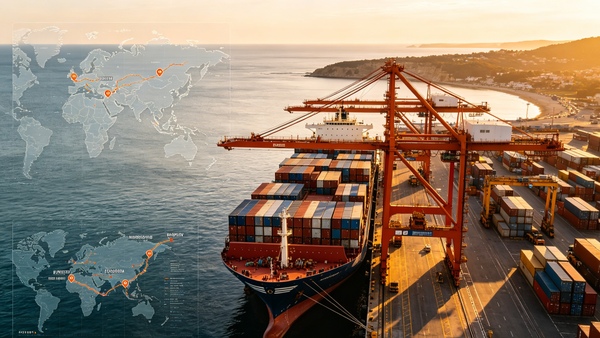
Standardized intermodal route coordination eliminates redundant cargo handling and idle waiting periods across cross-border logistics workflows. According to Drewry 2025 mid-year global logistics industry reports, optimized China-Mexico sea-rail intermodal corridors reduce average end-to-end container freight transit times from 38 days to a range of 22 to 25 days under regular operational conditions.
Comprehensive Cost Control Benefits
Streamlined transit pathways lower unplanned logistics expenditures, including container detention charges, terminal storage fees, and emergency transshipment expenses. Forwarders can develop consistent and transparent pricing frameworks, supporting stable market operation in the China-Mexico cross-border logistics sector.
Forwarders should note that standardized intermodal workflows enhance overall service reliability. Reduced transit fluctuation supports forwarding enterprises in maintaining stable cooperative partnerships with manufacturing and trading clients with fixed delivery schedule requirements.
What Common Operational Risks Need Mitigation in Cross-Border Sea-Rail Transit?
Logistics practitioners frequently encounter preventable operational errors during China-Mexico sea-rail intermodal freight management, which may trigger transit delays and elevated business risks. Systematic risk identification and mitigation support sustained efficiency improvement for cross-border logistics operations.
Mitigate sea-rail schedule misalignment: Unsynchronized vessel arrival and rail departure timetables result in extended terminal dwell time. Forwarders need to establish unified cross-modal scheduling mechanisms to coordinate handover procedures.
Prevent incomplete cross-border documentation: Missing or inaccurate commercial invoices, packing lists, and certificate of origin documents often lead to customs clearance suspension. Standardized pre-submission document review protocols support cross-border compliance.
Address seasonal congestion fluctuations: Peak shipping seasons and Mexican terminal holiday operational adjustments impact overall transit efficiency. Forwarders can adjust route planning strategies in response to periodic logistics market changes.
Strengthen contingency response mechanisms: Unplanned terminal maintenance, temporary rail line disruptions, and regional policy adjustments may interrupt regular transit workflows. Comprehensive contingency planning enables flexible route adjustment for affected cross-border cargo.
As bilateral trade collaboration between China and Mexico continues to expand, market demand for efficient, stable, and cost-effective cross-border logistics solutions keeps growing. Systematic optimization of sea-rail intermodal transit time pathways has become a core operational capability for global forwarders to consolidate and develop their China to Mexico Cross Border logistics businesses, helping enterprises adapt to evolving cross-border supply chain requirements and sustain steady market competitiveness.
Last
Document Verification Workflows to Clear High Value Diagnostic Tools via Europe to Middle East Air Freight Terminals
Europe to Middle East Air freight networks serve as core logistical corridors for high-value medical diagnostic devices, supportin
Next
Scheduling temperature controlled pharmaceutical shipments smoothly on premium flights running from europe to middle east air hubs
Europe to Middle East air corridors form a vital logistical backbone for temperature-controlled pharmaceutical air freight, connec

