




Fluctuating global maritime market conditions trigger regular china to brazil freight cost variations, disrupting export budget planning for international forwarders and manufacturing exporters. Long-term carrier allocation contracts serve as a reliable strategic solution to mitigate pricing volatility and secure steady container shipping terms on this key eastbound trade corridor.
What triggers recurring price volatility on China to Brazil shipping lanes?
Price volatility on China to Brazil container shipping routes derives from carrier capacity adjustments, regional port congestion, and shifting cross-border trade demand. These interrelated market variables drive frequent rate fluctuations that affect spot container pricing across different shipping seasons.
According to Freightos Baltic Index (FBX) 2026 Q1 statistical data, eastbound container freight rates from China to Brazil record monthly volatility ranging from 8% to 12% in recent years. Such continuous price shifts raise operational risks for forwarders maintaining long-term client export cooperation projects.
Cyclical operational changes at Brazilian coastal terminals further intensify pricing instability. Core ports including Santos and Paranaguá encounter periodic berth crowding and workforce schedule adjustments, prompting carriers to revise spot rates moderately to balance operational expenditures and capacity utilization efficiency.
What defines long-term carrier allocation contracts in modern maritime logistics?
Long-term carrier allocation contracts are formal multi-year contractual agreements between freight forwarders and liner carriers for fixed container slot reservations. These binding documents lock in baseline freight pricing and dedicated shipping capacity for specific trade lanes over extended periods.
Unlike ad-hoc spot bookings with flexible terms, contracted slot reservations ensure stable vessel space availability amid seasonal demand surges. According to UNCTAD 2024 maritime industry reports, over 55% of medium and high-volume forwarding firms adopt such contracts for steady transoceanic route operations.
Standard long-term shipping contracts cover fixed baseline ocean rates, priority loading privileges, and standardized surcharge protocols. Structured contractual terms insulate cooperating forwarders from sharp spot market rate hikes during peak shipping cycles.
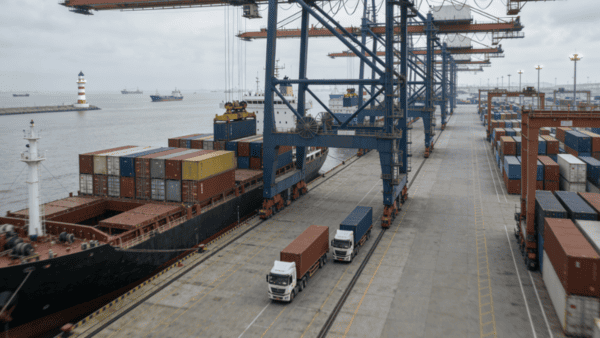
How do long-term contracts stabilize China to Brazil freight pricing?
Long-term carrier allocation contracts reduce spot market speculation risks and fix unit capacity costs for forwarders. This mechanism builds a predictable cost foundation for sustained container export shipping services from China to Brazil.
Lock consistent baseline freight rates: Multi-year formal contracts stabilize core ocean freight pricing for 12 to 36 month periods. According to Drewry 2025 global shipping analytics, contracted rates for China-Brazil routes show 70% lower volatility compared with prevailing spot market quotations.
Maintain stable container capacity supply: Liner carriers reserve exclusive vessel slots for contracted forwarders throughout the year. This arrangement avoids emergency capacity fees and temporary rate markups caused by tight market capacity during peak seasons.
Standardize additional fee regulations: Most long-term cooperation contracts embed unified charging standards for seasonal surcharges and terminal handling fees. Predefined fee clauses reduce arbitrary temporary charge adjustments that commonly raise spot shipment costs.
Mitigate demand-driven price fluctuations: ITC Trade Map 2024 trade statistics demonstrate stable yearly growth in China’s containerized exports to Brazil. Contracted pricing frameworks help forwarders offset cost increments from rising market demand.
A common mistake is that small and medium-sized forwarders rely solely on spot market bookings for regular China-Brazil export orders. This short-term operational mode exposes businesses to frequent price swings and unstable profit margins across different market cycles.
What practical methods help forwarders maximize contract value?
Forwarders require standardized negotiation and daily management protocols to unlock the cost-stabilizing value of carrier allocation contracts. Targeted operational adjustments optimize contract benefits for China to Brazil freight service scenarios.
Forwarders should note that universal long-term contract templates fail to fit all transoceanic trade lanes. Customized terms matching the unique volatility traits of China-Brazil shipping routes generate more reliable cost control results.
Match contract tenure with client shipping cycles: Align contract validity periods with core clients’ annual shipment volumes and peak export schedules. This matching mechanism prevents reserved capacity waste and improves the utilization rate of locked pricing resources.
Add capped seasonal surcharge clauses: The recommended approach is to negotiate maximum limit clauses for peak season surcharges and general rate increases. Such clauses constrain unreasonable cost increments during high-volume shipping periods.
Adopt hybrid booking strategies: Maintain a balanced combination of contracted fixed capacity and flexible spot bookings. This hybrid mode stabilizes overall freight costs while retaining operational flexibility for irregular low-volume orders.
Implement regular contract performance audits: Conduct quarterly reviews on carrier slot fulfillment and pricing compliance. Timely communication with carrier teams resolves contractual deviations and maintains stable cooperation quality.
What operational advantages come with stabilized freight costs?
Cost stabilization through long-term carrier contracts improves forwarders’ market competitiveness and service credibility on China-Brazil trade lanes. Predictable pricing systems support steady and sustainable business development for cross-border logistics providers.
With fixed and transparent shipping cost structures, forwarders are able to deliver long-term stable quotation solutions for enterprise clients. This service attribute supports sustained cooperation with manufacturing enterprises that have continuous export demands.
Controlled freight volatility simplifies financial budgeting and profit forecasting for forwarding agencies. Reduced unplanned cost fluctuations enhance overall operational stability and market risk resistance capabilities.
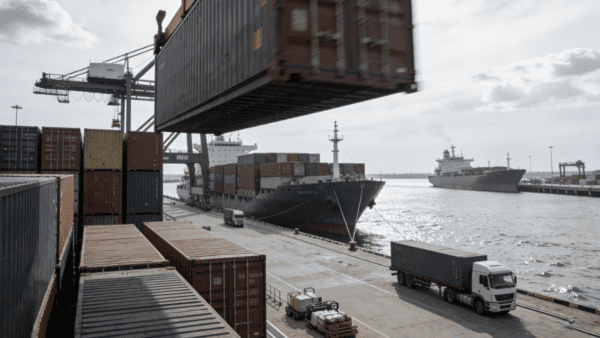
What potential risks exist in long-term shipping contract cooperation?
Long-term carrier allocation contracts carry controllable operational risks without standardized term design. Targeted risk prevention measures help forwarders sustain profitable and flexible contractual cooperation.
Prevent excessive capacity reservation: Over-reserved container slots generate idle contractual costs when client shipment volumes decline. Moderate capacity planning based on average annual shipment data reduces unnecessary operational expenditure.
Retain flexible contractual adjustment rights: Negotiate reserved adjustment clauses for market downturn scenarios. Flexible terms allow forwarders to modify partial capacity quotas when market freight rates decline substantially.
Clarify all auxiliary fee clauses: Ambiguous surcharge terms may lead to unplanned hidden costs. Detailed written regulations covering all potential additional fees ensure full cost transparency for contracted shipments.
In the dynamically changing maritime logistics industry, standardized application of long-term carrier allocation contracts acts as a vital measure to stabilize and optimize comprehensive china to brazil freight cost, enabling forwarders to secure steady profit margins and stable cooperative advantages in global export logistics markets.
Last
Scheduling time critical automotive prototype cargo shipments originating in japan heading to north america via air freight hubs
Efficient Japan to North America Airfreight scheduling supports streamlined time-critical automotive prototype cargo transportatio
Next
How tier two forwarders design reliable distribution networks handling factory cargo sent from china to mexico cross border lanes
China to Mexico Cross Border freight movements for industrial factory shipments require stable, scalable distribution architecture

