




Taiwan to USA FCL shipping lanes serve as critical trans-Pacific logistics channels for cross-border electronics exports, with unstable spot vessel allocations and fluctuating freight rates creating recurring operational hurdles for forwarding firms. Targeted contract rate negotiation tactics support electronics forwarders in securing reliable container space and consistent sailing schedules for regular trans-Pacific cargo movements.
What are contract rate negotiations for trans-Pacific FCL shipping?
Contract rate negotiations refer to structured commercial discussions between freight forwarders and ocean carriers to secure fixed FCL capacity and standardized pricing for recurring Taiwan to USA export shipments. These formal agreements regulate long-term freight costs and vessel allocation rights for consistent electronics cargo logistics operations.
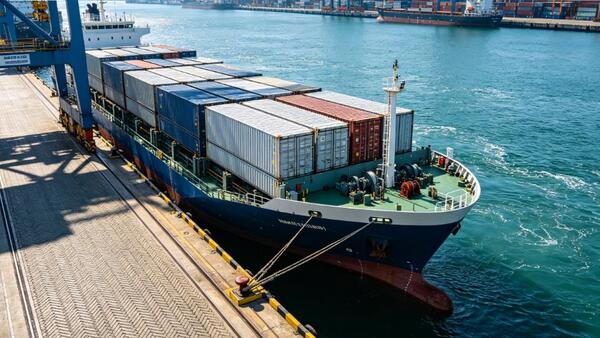
Spot market bookings focus on one-off shipment transactions with variable pricing and unguaranteed space availability, while contract-based cooperation centers on sustained strategic collaboration. This framework enables electronics forwarders to access pre-approved FCL container quotas, defined rate brackets, and priority loading access at major Taiwanese outbound ports including Kaohsiung and Taichung, covering key US import hubs of Los Angeles, Long Beach, and Oakland.
According to Drewry 2025 trans-Pacific shipping analysis, approximately 65% of specialized electronics forwarding firms adopt annual or quarterly contract rate frameworks to stabilize their cross-border capacity planning. This operational method mitigates many market volatility risks associated with spot-only FCL procurement strategies.
Why do electronics forwarders need fixed FCL contract allocations?
Fixed FCL contract allocations address the consistent shipment volumes, strict cargo integrity standards, and schedule sensitivity that define international electronics freight logistics. Stable carrier partnerships sustain predictable supply chain performance for global electronics manufacturing clients.
What makes Taiwan electronics export demands stable?
Taiwan maintains a prominent position in global electronics manufacturing, exporting large volumes of circuit substrates, semiconductor components, sensor modules, and finished consumer electronics to US industrial and retail markets each year. According to ITC Trade Map 2024 statistical records, Taiwan’s electronics export volumes bound for the United States maintain steady monthly throughput, generating continuous FCL shipping requirements for trans-Pacific forwarders.
What risks come with spot-only FCL booking strategies?
A common mistake is that many mid-tier forwarding enterprises rely exclusively on spot market FCL reservations for electronics cargo movements. This passive operational approach exposes businesses to limited container availability, inflated spot rates during peak seasons, and schedule disruptions that weaken long-term client partnership stability.
Forwarders should note that electronics cargo carries stringent delivery benchmarks with low tolerance for transit delays or inconsistencies. Most US-based electronics importers structure production cycles and inventory turnover based on fixed inbound shipping timetables. Irregular FCL space allocation may lead to inventory shortages and temporary production slowdowns for downstream US manufacturing facilities.
What market challenges affect Taiwan to USA FCL space stability?
A range of trans-Pacific market variables contribute to inconsistent FCL container availability for Taiwan electronics exports, creating ongoing operational pressures for forwarders focused on high-tech cargo logistics.
How do seasonal cycles influence FCL capacity supply?
Trans-Pacific shipping dynamics follow clear cyclical patterns aligned with US holiday retail and electronics restocking cycles. Pre-holiday quarters typically generate elevated FCL shipment volumes, which tighten container supply and push spot market freight rates upward across westbound US port destinations.
According to UNCTAD 2024 maritime transport reports, trans-Pacific eastbound FCL capacity utilization rises notably throughout the second and third calendar quarters. Tightened market conditions reduce accessible shipping resources for forwarders that depend entirely on spot procurement channels.
How do carrier capacity adjustments impact FCL bookings?
Major liner carriers regularly revise trans-Pacific vessel schedules, route footprints, and deployed tonnage to adapt to shifting global shipping demand. Temporary route suspensions, port call adjustments, and capacity reallocation often disrupt uncommitted spot FCL shipment arrangements for electronics forwarders.
Shipments without contractual allocation protection face elevated risks of cargo rolling and postponed loading during carrier capacity restructuring phases. Such interruptions compromise schedule reliability for time-sensitive electronics inventory and production inputs.
How to conduct effective contract rate negotiations for stable FCL allocations?
Electronics forwarders can implement structured preparation and tiered negotiation tactics to improve contractual outcomes and secure sustained Taiwan to USA FCL shipping capacity.
The recommended approach is to leverage historical shipment consistency, annual throughput volume, and long-term market presence to conduct segmented negotiations with established trans-Pacific liner operators.
Compile verified historical shipment records: Organize 12-month rolling datasets covering total FCL volume, monthly shipment distribution, and primary cargo commodity types. Documented operational consistency serves as credible negotiation leverage during contract rate discussions with carriers.
Formulate seasonal capacity reservation frameworks: Develop structured FCL space requests that account for peak and off-peak shipment fluctuations based on client order cycles. Detailed demand planning assists carriers in reserving dedicated capacity for recurring forwarding partners.
Integrate adaptive rate adjustment clauses: Include market-aligned adjustment terms within formal contracts to mitigate financial exposure during drastic freight market shifts. Balanced contractual terms support sustainable cooperation between forwarders and carrier counterparts.
Develop diversified carrier partnership portfolios: Establish contractual agreements with multiple mainstream liner companies to reduce reliance on single-vessel networks. Multi-partner layouts lower operational risks from individual carrier schedule or capacity changes.
What core operational advantages do FCL contract agreements offer forwarders?
Long-term Taiwan to USA FCL contract rate arrangements deliver multi-layered operational and commercial benefits for forwarders specializing in trans-Pacific electronics logistics.
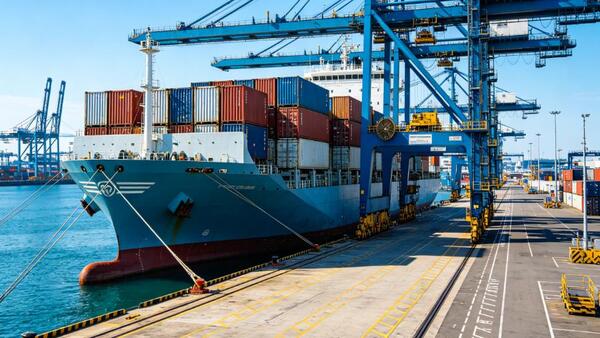
Secure consistent seasonal container allocation: Contract-backed capacity reservations grant forwarders prioritized loading access during high-demand market phases. This structure reduces instances of container scarcity for scheduled electronics FCL export shipments.
Stabilize long-term logistics costing: According to Freightos Baltic Index (FBX) 2025 trans-Pacific market data, contractual FCL rate ranges maintain steady fluctuation margins, avoiding the sharp price spikes observed in seasonal spot market transactions.
Strengthen client service reliability: Predictable FCL capacity enables forwarders to deliver consistent delivery timetables for electronics industry clients. Reliable shipment execution supports sustained business retention within competitive trans-Pacific logistics segments.
Improve operational forecast accuracy: Fixed contractual pricing and capacity allow precise cost budgeting and client quotation planning. This structure reduces operational uncertainty in daily business development and project scheduling.
As trans-Pacific electronics supply chain collaboration continues expanding, steady capacity procurement remains a key operational priority for global freight forwarding practitioners. Methodical contract rate negotiation frameworks and structured carrier partnership models help forwarders mitigate seasonal capacity gaps and rate volatility. Refining Taiwan to USA FCL contractual cooperation mechanisms enables logistics providers to build resilient, cost-efficient, and dependable shipping solutions for cross-border electronics export cargo.
Last
Comparing cape of good hope transit times with traditional canal options for shipping containers from korea to europe ocean freight
Korea to Europe Ocean Freight relies on two mainstream container routing solutions, including the conventional Suez Canal passage
Next
How electronics freight forwarders secure block space agreements on flights leaving major japan airports to north america air lanes
Reliable Japan to North America Aircargo capacity reservation supports stable scheduling for electronics freight forwarding operat

