




Europe to Asia Backhaul shipping lanes encounter sustained underutilized vessel capacity due to long-term transcontinental trade imbalances, prompting mainstream ocean carriers to optimize pricing structures for bulk industrial base cargo. Refined pricing adjustments assist carriers in filling vacant vessel slots, mitigating financial losses from empty leg sailings, and delivering cost-efficient shipping solutions for global forwarders specializing in industrial commodity transportation.
Why do ocean liners adjust pricing for industrial cargo on backhaul lanes?
Structural disparities in cross-border trade volumes generate steady idle capacity, driving carriers to optimize pricing mechanisms on secondary backhaul trade corridors. Industrial cargo provides consistent base shipment volumes to offset revenue gaps caused by empty container repositioning and partially loaded voyages.
According to UNCTAD 2025 global maritime logistics statistics, eastbound voyage capacity utilization across vessel types on Europe to Asia Backhaul routes averages approximately 68%. This moderate loading level creates continuous operational pressure for liners, as fixed vessel charter fees and port call expenditures remain stable regardless of actual cargo throughput.
Forward trade lanes gain support from high-value consumer goods shipments with sufficient premium cargo demand, while backhaul routes lack equivalent high-margin cargo volumes to cover routine operational costs. Industrial base cargo features steady annual shipment volumes and flexible transit requirements, serving as a reliable cargo source to balance route revenue portfolios for shipping carriers.
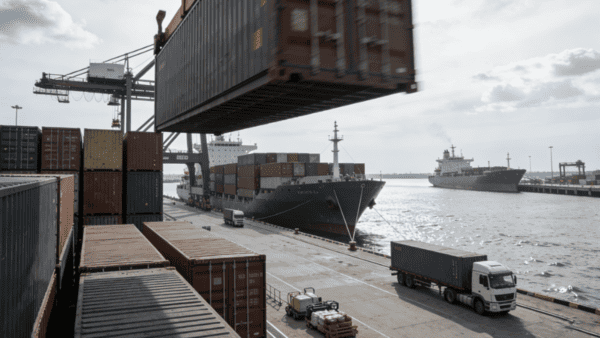
What financial pressures drive liner pricing optimization for backhaul cargo?
Fixed maritime operational expenditures form stable financial burdens for carriers maintaining regular Europe-Asia loop services across market cycles. Vessel depreciation, crew remuneration, and terminal handling charges constitute rigid costs that cannot be reduced alongside declining backhaul cargo volumes.
Drewry 2026 Q1 maritime cost assessment shows that empty or semi-loaded backhaul sailings may reduce annual route profit margins by 12–18% for mid-sized liner operators. Targeted flexible pricing policies for industrial cargo help carriers alleviate such structural profit erosion in contemporary shipping markets.
What core pricing adjustment models do liners apply for backhaul industrial cargo?
Ocean carriers deploy multiple differentiated pricing mechanisms tailored for industrial base cargo on Europe to Asia Backhaul corridors. These customized frameworks balance carrier revenue stability and cargo attraction for long-term industrial shippers and freight forwarding partners.
Volume-based tiered discount structures: Carriers set progressive discount brackets linked to monthly and annual shipment volumes from forwarders and industrial clients. Sustained high cargo throughput qualifies shippers for gradual rate reductions, supporting consistent long-term cargo consolidation on backhaul shipping lanes.
Off-peak seasonal rate concessions: A common mistake is that forwarders apply pricing experience from peak forward trade lanes to evaluate backhaul booking strategies. Carriers roll out exclusive off-peak pricing packages during low-demand cycles to absorb idle capacity with industrial cargo that carries low price sensitivity.
Mixed cargo bundling pricing schemes: The recommended approach is for carriers to combine scattered industrial cargo with residual premium cargo space on single voyages. Mixed cargo pricing models lower unit freight costs and improve holistic vessel load factor for backhaul transits.
Long-term contractual fixed-rate frameworks: Carriers offer stabilized rate terms for one-year or multi-year industrial cargo contractual agreements. This practice secures continuous cargo inflow and shields cooperating parties from short-term freight volatility tracked by the Freightos Baltic Index.
How do revised backhaul pricing models benefit global forwarders?
Carrier pricing adjustments for backhaul routes deliver practical operational improvements and market competition advantages for forwarding enterprises serving industrial client segments. Proper adoption of preferential backhaul rate resources optimizes forwarders’ comprehensive quotation frameworks.
Optimize industrial logistics cost architecture: According to Shanghai Shipping Exchange 2026 early-year freight data, adjusted backhaul rates for industrial commodities are 14–20% lower than standard forward-direction rates for identical cargo categories. Forwarders can provide cost-effective logistics solutions for manufacturing enterprises and raw material trading firms.
Broaden industrial cargo service coverage: Preferential backhaul pricing enables forwarders to accept small and medium-batch industrial cargo orders that deliver marginal returns on conventional forward trade lanes. This expands business coverage and accumulates high-quality corporate client resources.
Enhance long-term carrier partnership credibility: Forwarders should note that consistent utilization of preferential backhaul capacity assists carriers in stabilizing route revenue performance. Reliable cargo contribution builds positive cooperative records, facilitating enhanced resource support from carriers in subsequent business interactions.
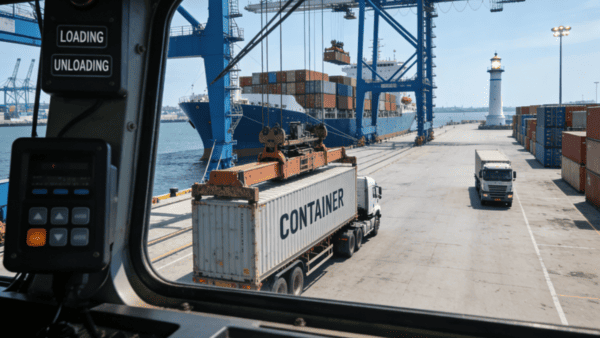
What operational risks emerge from backhaul preferential pricing utilization?
Improper utilization of carrier backhaul preferential pricing may trigger operational uncertainties and margin losses for forwarders with limited industry experience. Full comprehension of pricing clauses and usage restrictions supports compliant and profitable capacity deployment.
Oversight of contractual usage restrictions: Most backhaul discount rates attach fixed port coverage scopes and cargo category limitations. A common mistake is executing preferential pricing contracts without verifying applicable scenarios, which results in supplementary surcharges during shipment implementation.
Excessive dependence on short-term promotional rates: Temporary backhaul pricing promotions shift in accordance with market capacity fluctuations. Reliance on short-term low rates without long-term contractual layout may lead to rising logistics costs during market tightening phases.
Inappropriate cargo and timeline matching: The recommended approach is to allocate flexible-schedule industrial cargo to discounted backhaul slots. Several preferential backhaul services feature extended transit durations, which are not suitable for time-critical industrial production materials.
How can forwarders capture maximum value from backhaul pricing adjustments?
Structured cargo planning and proactive contractual layout enable forwarders to fully leverage carrier pricing optimization on backhaul shipping corridors. Passive ad-hoc booking modes fail to unlock the sustained commercial value of differentiated pricing mechanisms.
Classify industrial cargo by scheduling flexibility: Categorize client industrial commodities into time-rigid and time-flexible groups. Arrange flexible cargo shipments to utilize preferential backhaul capacity, realizing cost control without compromising client delivery commitments.
Negotiate customized tiered contractual terms: Aggregate monthly backhaul cargo volumes to negotiate tiered discount contracts with carriers. Consolidated stable cargo throughput enhances forwarders’ bargaining power for sustained preferential pricing terms.
Track dynamic freight market fluctuations: Monitor real-time rate updates from FBX and Drewry backhaul route reports to identify pricing adjustment cycles. Arrange cargo deployment during carrier preferential policy windows to achieve steady cost optimization outcomes.
In the evolving global maritime logistics landscape, adaptive pricing adjustment mechanisms implemented by ocean liners effectively mitigate long-standing capacity surplus challenges on Europe to Asia Backhaul routes. Forwarders with proficient mastery of pricing rules and scientific cargo matching workflows can steadily reduce industrial cargo transportation expenditures, strengthen market adaptability, and sustain progressive business expansion within the cross-border freight industry.

Last
Managing garment export space shortages during peak cotton shipping seasons along the active india to usa trade lane
The active india to usa trade lane functions as a core trans-Pacific logistics corridor for India’s cotton garment export sector,

Next
Finding stable commodity types to fill food grade reefers returning on the traditional europe export path to asia backhaul
Europe to Asia Backhaul reefer shipping lanes endure continuous underutilization of food-grade refrigerated container capacity, cr

