



China to Middle East cost for electronic ocean freight is significantly influenced by frequent fuel surcharge fluctuations, which reshape baseline freight pricing and compel freight forwarders to adjust client quotation strategies throughout the year. Electronic cargo serves as a core commodity on trade routes connecting Chinese manufacturing hubs and Middle Eastern consumer and retail markets, making cost consistency a key operational priority for global freight forwarding firms. Distinct from conventional dry bulk cargo, electronic goods feature high commodity value, strict transit time requirements, and standardized containerized loading specifications, rendering their freight cost structure susceptible to variable maritime surcharges, particularly bunker adjustment fees.
What are fuel surcharges in China-Middle East ocean freight lanes?
Fuel surcharges, formally defined as Bunker Adjustment Factor (BAF), are variable maritime levies imposed by container liner carriers to offset fluctuating global marine fuel market prices. These charges operate independently of base ocean freight rates and follow biweekly or monthly adjustment cycles across China-Middle East container shipping corridors. According to Drewry 2025 maritime cost analysis data, fuel expenditures account for 40% to 60% of total vessel operational costs on Asia-Middle East container trade routes.
Within electronic cargo shipping workflows, BAF functions as a major variable cost component that alters final freight quotation totals even when contracted base rates remain unchanged. Most mainstream liner carriers, including Maersk, CMA CGM, and MSC, adopt unified BAF adjustment frameworks for China-Middle East lanes to align with global fuel market dynamics. This standardized adjustment mechanism mitigates operational financial risks for carriers yet generates continuous pricing volatility for forwarders handling electronic cargo logistics services.
Forwarders should note that fuel surcharges represent market-linked variable fees rather than fixed additive charges, which can erode profit margins for electronics-focused freight forwarding businesses. Many inexperienced forwarders prioritize contracted base rates while overlooking routine monthly BAF revisions, resulting in inaccurate client quotations and unplanned cost losses during high-volume electronic shipment operations.
What triggers frequent fuel surcharge volatility on China-Middle East electronics shipping lanes?
Multiple intertwined market dynamics and geopolitical developments contribute to sustained fuel surcharge fluctuations across China to Middle East ocean freight lanes for electronic cargo. These overlapping factors trigger periodic BAF increases and decreases, disrupting conventional cost forecasting models adopted by global freight forwarders. Recent verified maritime industry data identifies three primary drivers of ongoing surcharge volatility on this critical trade corridor.
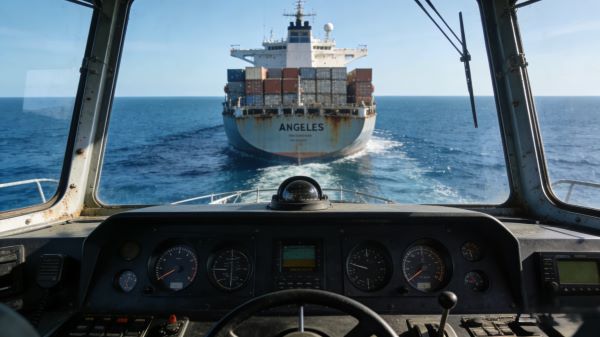
Geopolitical uncertainties in key maritime chokepoints: The Red Sea and Strait of Hormuz, pivotal transit passages for China-Middle East container vessels, face persistent operational uncertainties. According to UNCTAD 2026 maritime logistics monitoring data, ongoing regional geopolitical tensions have forced approximately 30% of container vessels to adopt alternative detour routes. Extended sailing distances raise per-voyage fuel consumption volumes, prompting liner carriers to adjust fuel surcharges upward to cover incremental operational expenditures.
Fluctuating global marine fuel market prices: Ultra-low sulfur fuel oil (ULSFO), the primary fuel type for modern container vessels, has experienced substantial price swings in recent years. Freightos Baltic Index (FBX) 2026 quarterly market data indicates ULSFO prices rose by over 68% within a single quarter during regional geopolitical escalation events. Such rapid fuel price shifts occur more frequently than quarterly base rate adjustments, making fuel surcharge movements a key driver of short-term freight cost variations.
Dynamic carrier capacity regulation mechanisms: Major liner carriers adjust fuel surcharge levels strategically to balance fleet operational profitability amid fluctuating market capacity. During peak electronics shipping windows preceding major Middle Eastern regional festivals, elevated cargo demand tightens lane capacity. Carriers often implement moderate BAF adjustments to optimize operational revenue, even under stable global fuel price conditions, creating artificial cost variations for freight service providers.
A common mistake is that forwarders attribute all fuel surcharge increments exclusively to crude oil price movements, while neglecting route-specific operational risks and carrier capacity regulation tactics. This narrow analytical perspective hinders effective cost control implementation and precise medium-to-long term pricing planning for recurring electronics shipment clients.
How do fuel surcharge movements revise baseline shipping costs for electronic cargo?
Fuel surcharge fluctuations reshape the overall cost structure of China-Middle East electronics shipping through direct incremental fee additions and indirect base market rate adjustments. High-value, compact electronic products are predominantly transported via full-container load (FCL) and less-than-container load (LCL) services on scheduled weekly liner routes, with cost frameworks sensitive to variable surcharge modifications.
Direct incremental cost impacts of BAF adjustments
Direct cost changes stem from transparent per-container BAF fees updated by liner carriers on a monthly basis. For 20GP container shipments of consumer electronics departing from Chinese core ports including Shanghai and Ningbo to key Middle Eastern destinations such as Dubai and Jeddah, BAF fees ranged from $320 to $680 per container throughout early 2026, based on Drewry container rate tracking statistics. For LCL electronic cargo shipments, fuel surcharges are prorated by cubic meter, lifting unit logistics costs for small-batch cross-border electronic manufacturing suppliers.
Indirect long-term base rate market impacts
Indirect cost influences generate more sustained disruptions to long-term freight pricing stability. Cumulative fuel surcharge increments elevate average operational costs across the lane, prompting liner carriers to adjust contractual base ocean freight rates upward in subsequent pricing cycles. This mechanism forms a gradual cumulative cost growth trend for China to Middle East electronics shipping, rather than isolated temporary price variations.
The recommended approach is for forwarders to separate base rate negotiation procedures and fuel surcharge risk control clauses in formal client contracts. Independent contractual provisions for variable maritime surcharges help mitigate market volatility exposure and stabilize gross profit margins for professional electronics logistics services.
What unique cost risks do electronic shipments face from BAF volatility?
Electronic cargo carries distinct logistical attributes that amplify the financial impacts of fuel surcharge fluctuations when compared with general commodity freight. High cargo valuation, rigid delivery schedule requirements, and low tolerance for cost deviations increase the sensitivity of this cargo category to BAF movements on China-Middle East trade lanes.
Constrained profit margins for high-value electronic trades: Most cross-border electronics transactions operate on fixed unit profit margins tied to bulk order volumes. Small and medium-sized electronic component exporters depend on consistent logistics cost levels to maintain market competitiveness. Unplanned fuel surcharge increments compress narrow profit margins, creating client communication disputes for forwarders regarding unanticipated logistics cost increases.
Seasonal demand amplification of cost pressure: Middle Eastern regional consumer electronics market demand rises notably during holiday and shopping cycles, which often overlap with periods of heightened fuel price volatility. According to ITC Trade Map 2024–2025 bilateral trade statistics, China’s electronics export volume to Middle Eastern markets increases by an average of 28% during the third and fourth quarters each year. Seasonal demand growth exacerbates cost pressure driven by periodic BAF adjustments.
Limited operational flexibility for cost substitution: Electronic cargo logistics prioritize stable, scheduled liner services to meet delivery and cargo safety standards, instead of low-cost unscheduled vessel options. Forwarders have limited room to switch alternative routes or carriers to bypass surcharge increases, resulting in weaker cost mitigation capability relative to low-value bulk commodity shipments.
What practical strategies help forwarders offset BAF-driven cost growth?
Global freight forwarders can implement targeted operational optimization and contractual adjustment strategies to mitigate fuel surcharge volatility risks for China-Middle East electronics shipments. These structured tactics support balanced service quality maintenance and controllable logistics costs for long-term client partnership development.
Implement dynamic client quotation frameworks: Replace fixed full-cycle pricing models with monthly floating quotation systems aligned with official carrier BAF release bulletins. Classify fixed base freight rates and variable fuel surcharge items explicitly in quotation documents to enhance pricing transparency and reduce post-shipment contractual disputes.
Establish long-term cooperative frameworks with core carriers: Secure flexible BAF adjustment terms through annual framework cooperation agreements with mainstream liner carriers. Industry 2026 FBX market reports indicate medium and large-scale forwarders can obtain 10%–15% fluctuation tolerance ranges for fuel surcharges via long-term contracts, easing short-term cost volatility impacts.
Optimize LCL cargo consolidation workflows: Increase the frequency of electronic cargo consolidation operations for LCL shipments to reduce unit surcharge costs. Centralizing scattered small-batch export cargo lowers per-cubic-meter fuel surcharge apportionment ratios, alleviating overall logistics cost burdens for small-scale electronics exporters.
Adopt data-driven fuel market risk monitoring: Track real-time ULSFO price trends and carrier surcharge adjustment schedules on a weekly basis. Proactive market trend analysis enables forwarders to reserve container capacity during low-surcharge cycles and avoid high-cost shipping windows.
Forwarders should note that passive full cost pass-through to clients is not a sustainable operational strategy for electronics logistics services. Active market risk management and structured pricing optimization help forwarders retain stable cooperative relationships with high-quality electronics export clients amid ongoing market fluctuations.
Conclusion
Fuel surcharge variations serve as a critical variable factor that continuously optimizes and reshapes the China to Middle East cost framework for electronic ocean freight, influencing both spot market pricing dynamics and long-term contractual rate stability. Regional maritime chokepoint risks, global fuel price fluctuations, and carrier capacity regulation measures collectively drive periodic BAF adjustments, bringing unique cost management challenges for high-value electronic cargo shipping. By adopting dynamic quotation mechanisms, stable long-term carrier cooperation, and data-backed risk forecasting systems, global freight forwarders can effectively alleviate fuel surcharge-induced cost volatility, maintain consistent service quality, and build differentiated competitive strengths in the China-Middle East electronics logistics market.
Last
How independent nvocc networks negotiate bulk space commitments on vessels serving the india sub continent to usa trade lane
The india sub continent to usa trade lane supports substantial volumes of manufactured and consumer goods exported from South Asia
Next
Hidden destination port demurrage structures that expand the total import cost when routing cargo from china to middle east
Precise assessment of China to Middle East cost requires freight forwarders to account for concealed destination port demurrage an