




Guangzhou to Dubai logistics for time-sensitive electronic cargo requires scientific transport mode selection to balance delivery efficiency, cargo safety and comprehensive operational costs for global freight forwarders. Electronic freight features high unit value, structural fragility and rigid delivery lead times, making transport scheme comparison a key link in cross-border supply chain scheduling. In recent years, expanding digital infrastructure construction in the Middle East has driven steady growth in electronic product transportation demands on this traditional China-UAE trade route.
Why do time critical electronics require exclusive transport mode evaluation?
Time-critical electronic freight represents high-value technological commodities with fixed delivery deadlines and strict anti-breakage, anti-humidity transportation standards. Such cargo characteristics generate unique logistics requirements different from conventional bulk and consumer goods freight.
Industrial circuit boards, smart sensing modules, communication accessories and consumer electronic devices are sensitive to long-cycle transportation, ambient humidity and mechanical vibration. These goods support Dubai’s local digital facility operation, engineering installation and aftermarket maintenance services. According to ITC Trade Map 2026 statistical data, electronic products occupy a considerable proportion of high-value cross-border freight volumes exported from Guangzhou to Dubai.
A common mistake is adopting unified ocean freight solutions for all electronic shipments without distinguishing cargo timeline requirements. Fixed ocean freight schedules and variable port dwell periods fail to accommodate just-in-time inventory replenishment and project commissioning demands, which may trigger client cooperation disputes and operational losses for forwarders.
What core differences exist between air and ocean transport for electronics shipments?
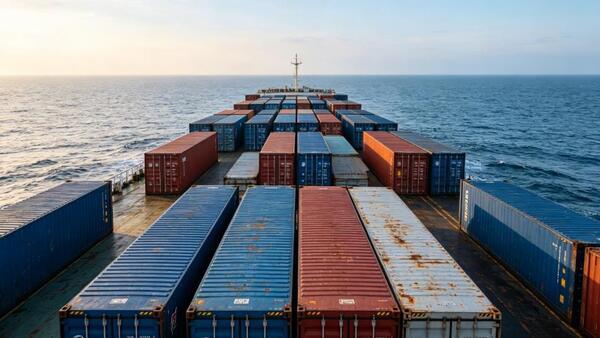
Air freight and ocean freight present differentiated operational performances in transit duration, cargo safety control, cost composition and shipment flexibility for Guangzhou to Dubai electronic cargo transportation. These discrepancies guide forwarders to formulate targeted shipment strategies.
Transit cycle differences: According to Drewry Q1 2026 freight tracking data, conventional port-to-port ocean freight from Guangzhou to Jebel Ali Port takes 18 to 25 working days, with additional time consumed for terminal loading and customs clearance procedures. Premium air freight routes from Guangzhou Baiyun International Airport to Dubai International Airport finish door-to-door delivery within 3 to 5 working days, suitable for urgent electronic material replenishment.
Cargo safety control standards: Forwarders should note that precision electronic components are susceptible to moisture erosion and frequent handling extrusion. Ocean freight involves long-term maritime environment exposure and multi-terminal transshipment, while premium air freight adopts sealed cabin storage and standardized shockproof packaging fixation to reduce cargo damage probabilities.
Shipment scheduling flexibility: The recommended approach is to apply air freight schemes for small-batch, iterative electronic replenishment orders. Air freight supports abundant weekly flight resources and temporary charter services, while ocean freight follows fixed liner schedules with limited adjustable space for emergent shipment demands.
Comprehensive cost composition: Ocean freight provides lower unit freight expenses for large-volume electronic cargo shipments. Premium air freight carries higher direct freight fees yet cuts indirect losses including inventory stagnation, order delay compensation and cargo deterioration risks for time-sensitive logistics demands.
What risks do ocean freight bring to time-sensitive electronic cargo?
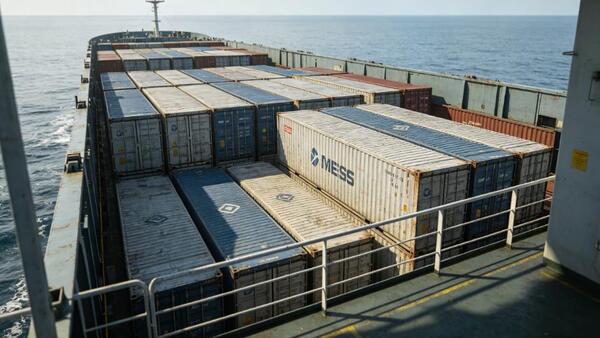
Conventional ocean freight contains multiple latent operational risks that weaken the timeliness and safety guarantee of time-critical electronic cargo on Guangzhou to Dubai routes. These hidden risks easily cause avoidable supply chain disruptions.
Schedule fluctuation risks: A common mistake is neglecting seasonal maritime congestion and port clearance efficiency changes. According to UNCTAD 2025 maritime logistics analysis data, periodic berth congestion and container stacking pressure at Jebel Ali Port often extend the actual delivery cycle of China-UAE ocean freight beyond scheduled timelines.
Environmental damage risks: Long-distance ocean transportation exposes electronic cargo to high humidity, salt spray and temperature fluctuation environments. Without professional constant-temperature and moisture-proof container configuration, precision circuit components and smart modules may suffer performance attenuation or functional failure during transit.
Multi-link error risks: Ocean freight involves more intermediate links including container allocation, stowage planning, transshipment and terminal storage. Each additional operational link increases the probability of manual errors and cargo abrasion, which exerts adverse impacts on high-precision electronic products.
Capital occupancy risks: Extended ocean transit cycles lead to prolonged cargo capital occupancy and slow inventory turnover. For electronic enterprises with fast product iteration cycles, such low-efficiency logistics modes may reduce market response capabilities.
What advantages does premium air freight offer for electronic cargo transportation?
Premium air freight solutions provide targeted optimization for the pain points of time-sensitive electronic cargo logistics, covering timeline stability, cargo safety and supply chain collaboration efficiency. Such solutions match the operational characteristics of Middle East electronic trade business.
Stable timeline controllability: Premium air freight adopts fixed priority flight slots and dedicated cargo handling channels. The standardized operational process reduces external interference factors, enabling forwarders to provide relatively accurate delivery time windows for electronic cargo clients.
Specialized cargo handling protocols: Forwarders should note that mainstream air freight carriers launch exclusive handling standards for precision electronic goods. Customized shockproof packaging, independent cargo compartment placement and low-vibration loading procedures effectively protect high-value electronic equipment.
Efficient customs clearance linkage: The recommended approach is to support premium air freight with pre-declaration and fast-track clearance services. Dubai airport’s dedicated commercial cargo clearance channel shortens document review and cargo inspection time, improving overall shipment efficiency.
Adaptable iteration demands: Electronic product upgrading and market demand adjustment are frequent in the current cross-border trade environment. Flexible air freight scheduling helps enterprises complete small-batch trial sales and emergency material deployment to adapt to market changes.
How should forwarders select air and ocean modes for electronic cargo?
Forwarders need to formulate differentiated transport schemes based on cargo value, batch size and delivery urgency to balance cost and efficiency in Guangzhou to Dubai electronic logistics business. Comprehensive scenario-based judgment helps optimize service quality and client satisfaction.
Applicable scenarios for ocean freight adoption
Large-batch, mass-produced low and medium-value electronic accessories with loose delivery time windows are suitable for ocean freight arrangements. Such cargo has low sensitivity to transit duration and can fully leverage the cost advantages of sea transportation to control overall logistics expenditures.
Applicable scenarios for premium air freight adoption
High-value precision electronic components, project emergency spare parts and pre-sale trial operation equipment are suitable for premium air freight. Although the unit transportation cost is higher, this mode avoids economic losses caused by project suspension and supply chain disconnection.
In conclusion, rational matching of premium air freight and ocean freight modes based on cargo attributes and business demands serves as a crucial capability for forwarders to operate electronic cargo business steadily. Flexible transport scheme deployment can effectively avoid logistics risks and improve service professionalism in Guangzhou to Dubai logistics cross-border electronic freight services.

Last
Avoiding hidden destination port charges that alter the base shanghai export cost to europe for shared lcl containers
Many global freight forwarders encounter unstable profit margins due to unplanned destination port expenditures when managing Shan
Next
Comparing vancouver gateway rail links with direct east coast sea shipping lanes from qingdao to canada destinations
Qingdao to Canada Shipping features two prevalent logistics routes for cross-border containerized cargo movement: Vancouver-based

