




Ningbo to Germany FCL shipping serves as a mainstream logistics solution for high-volume auto parts manufacturers and supply chain enterprises operating from Ningbo’s industrial clusters. German automotive manufacturing operations rely heavily on steady component imports from Chinese production bases, driving consistent lane demand. According to UNCTAD 2025 maritime data, global containerized trade for mechanical and automotive components achieved a 2.5% year-on-year growth, reflecting resilient market demand for Ningbo to Germany FCL auto parts containerized shipments.
Why do auto parts supply chains prioritize Ningbo to Germany FCL shipments?
Ningbo to Germany FCL shipping delivers dedicated full-container load capacity that mitigates mixed-cargo risks and supports standardized transportation for bulky, high-precision auto parts. Compared with LCL shipments requiring consolidation and repeated cargo handling, FCL solutions offer exclusive container usage, fixed sailing schedules, and reduced cargo damage probabilities for sophisticated automotive components.
This shipping model aligns well with the large-batch, cyclic delivery characteristics of modern auto parts manufacturing chains. It avoids the operational uncertainties brought by third-party cargo consolidation and adapts to the stable delivery rhythm required by cross-border automotive supply chains.
Distinct industrial matching strengths boost the practical value of the Ningbo-Germany shipping lane. Ningbo Port stands as one of China’s key automotive parts manufacturing and export hubs, supplying chassis assemblies, automotive electronic control units, and vehicle interior components for multiple German automotive manufacturers and tier-one component suppliers.
German automotive industrial clusters maintain continuous import demands for finished and semi-finished auto parts to sustain assembly line operations. According to ITC Trade Map 2024 statistical data, auto parts exported from Ningbo Port to Germany account for approximately 38% of China’s total automotive component exports to the German market, forming a stable and mature cross-border trade circulation system.
Forwarders should note that auto parts cargo carries unique logistics attributes different from general consumer goods. Most automotive components feature high machining precision, standardized outer packaging, and fixed-batch delivery requirements. Such cargo characteristics can be better accommodated by professional FCL shipping arrangements.
LCL consolidation processes often extend cargo warehousing cycles and raise the risk of component collision and abrasion during transit. These potential issues are unfavorable for high-value auto parts shipments with strict quality control standards.
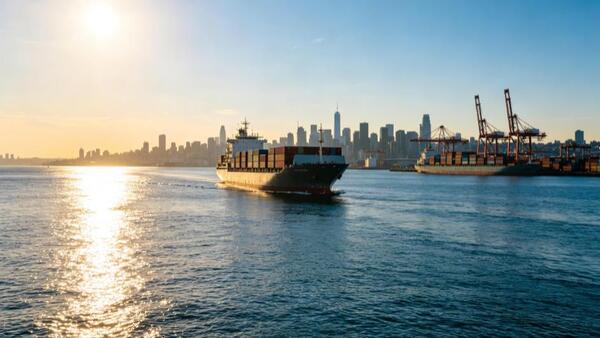
What challenges affect stable booking space for Ningbo to Germany FCL auto parts cargo?
A combination of market fluctuations and port operational variables leads to capacity instability for FCL bookings on the Ningbo-Germany trade lane. These disruptive factors interfere with the continuous and orderly operation of cross-border auto parts logistics, requiring targeted optimization strategies from professional freight service providers.
Capacity restructuring across global container fleets triggers periodic supply imbalances on regional trade lanes. According to UNCTAD 2025 Review of Maritime Transport, the global container fleet recorded a moderate year-on-year expansion in 2025, while capacity distribution across major intercontinental lanes remains uneven.
Europe-bound container shipping lanes encounter intermittent capacity tightness due to concentrated new vessel deliveries and route adjustment strategies adopted by mainstream shipping alliances. Such market changes create uncertain booking conditions for bulk auto parts exporters.
Seasonal demand fluctuations further intensify lane booking competition. The automotive industry follows fixed production and inventory adjustment cycles, with pre-quarter production preparation driving concentrated auto parts export volumes.
Centralized shipment demands in specific time periods increase competition for available FCL space on the Ningbo to Germany route, which may result in insufficient capacity reservations for medium and large-batch cargo shipments.
A common mistake is that many medium and small-sized forwarders rely excessively on spot market booking resources without developing long-term contractual capacity layouts. This passive operational mode may cause capacity shortages during peak shipping seasons, failing to meet the continuous shipment demands of high-volume auto parts chain clients.
How can forwarders secure sustainable FCL booking space for auto parts chains?
Freight forwarders can implement structured capacity deployment strategies to secure stable Ningbo to Germany FCL shipping space for long-term auto parts cooperative clients. The systematic solution covers contractual resource layout, shipment schedule optimization, and risk early warning mechanism construction to build a comprehensive capacity guarantee framework.
Establish long-term contractual cooperation with mainstream shipping alliances: Forwarders can sign annual or quarterly framework agreements with core carriers operating Ningbo-Germany routes, including Maersk, MSC, and CMA CGM. Long-term contractual resources help mitigate spot market price volatility and stabilize available container space for recurring auto parts batch shipments. Drewry 2025 lane analysis shows that forwarders holding contractual capacity obtain relatively stable space reservation ratios during peak seasons, with observable advantages over pure spot booking participants.
Optimize batch shipment scheduling to reduce peak-period pressure: The recommended approach is to support auto parts manufacturers in adjusting shipment timetables based on real-time shipping market cycles. Staggering partial bulk shipments away from industry peak periods effectively lowers lane booking competition and improves the stability of acquired FCL space. Forwarders can deliver regular monthly capacity trend reports to guide clients’ reasonable production and shipment planning.
Build diversified backup capacity resource pools: Forwarders are advised to develop multi-carrier resource layouts for the Ningbo to Germany lane to reduce reliance on single shipping operators. When individual carriers face temporary space shortages or schedule adjustments, alternative capacity resources can sustain uninterrupted FCL transportation of auto parts cargo and maintain supply chain operational continuity.
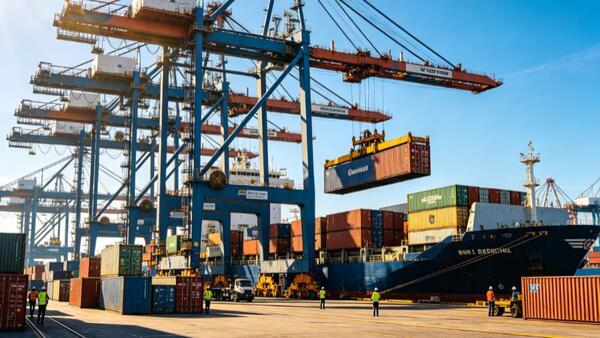
Enhance port coordination and advance booking mechanisms: Maintain daily communication with Ningbo Port container terminal teams to obtain real-time updates on berth arrangements, container stacking inventory, and cargo inspection schedules. Reserving FCL space and container resources 7 to 10 days in advance for bulk auto parts shipments helps mitigate delivery delays caused by port operational bottlenecks.
What operational value does stable FCL booking bring to auto parts supply chains?
Stable Ningbo to Germany FCL shipping capacity acts as a core supportive factor for the sustainable development of Sino-German auto parts trade chains, delivering practical economic and operational benefits for both cargo owners and freight service providers. It effectively alleviates common industry pain points including unstable shipment cycles and fluctuating logistics costs.
For auto parts manufacturing enterprises, stable FCL capacity supports just-in-time component delivery, which matches the lean production workflows adopted by most German automotive assembly plants. Continuous and standardized container shipments reduce the occurrence of inventory backlogs and temporary stock shortages.
According to 2024 Freightos Baltic Index industrial cost statistics, standardized FCL shipment planning for cross-border auto parts logistics helps enterprises cut comprehensive inventory and logistics costs by 12% to 18% within annual operational cycles.
For professional freight forwarders, sustained and stable capacity deployment improves service competitiveness in the vertical automotive logistics segment. Customized FCL capacity guarantee services help forwarders retain high-quality long-term corporate clients and build stable recurring business revenue sources.
Forwarders should note that vertical industry service customization has become a key differentiated advantage in the homogenized international freight market. Tailored FCL capacity solutions for auto parts cargo help service providers form distinct service characteristics and enhance market recognition in the Ningbo-Europe logistics segment.
What industry trends will influence Ningbo to Germany FCL auto parts shipping?
The Ningbo-Germany container shipping lane is undergoing continuous optimization driven by evolving cross-border trade demands and global shipping industry upgrades. Emerging market trends create new development opportunities and updated service requirements for FCL booking and capacity management of auto parts cargo.
In terms of capacity supply, UNCTAD 2025 industry reports indicate that Europe-bound container shipping capacity will maintain steady incremental growth in the following two years. Newly delivered vessels focus on energy-efficient and eco-friendly designs, which will lift overall operational efficiency of the Ningbo to Germany lane and optimize unit logistics costs for FCL shipments.
In terms of trade demand, deepening industrial cooperation between Chinese and German automotive sectors drives steady growth in cross-border auto parts container trade. Exports of new energy vehicle components and intelligent driving system parts from Ningbo to Germany show upward trends, raising market demand for high-stability FCL logistics services.
In summary, Ningbo to Germany FCL shipping remains a vital logistics mode for high-volume cross-border transportation of auto parts chain cargo. For global freight forwarders, establishing stable, flexible, and industry-customized FCL capacity guarantee systems helps capture growth opportunities in Sino-German automotive trade and support long-term business development in vertical logistics markets.
Last
Tips for independent forwarders looking to reduce co loading expenses on main shanghai trade networks to europe lcl loops
Independent freight forwarders face recurring cost pressure when managing cooperative container loading for Shanghai to Europe LCL
Next
Navigating customs bond updates when coordinating container shipping from china to usa ocean freight strings
Sound compliance with updated U.S. customs bond regulations has become a core operational priority for freight forwarders managing

