




Qingdao to Canada Shipping encounters notable operational hurdles throughout winter shipping windows, as low temperatures, snowstorms, and inland transit restrictions trigger widespread port congestion and schedule deviations for cross-border containerized shipments. Global freight forwarders regularly face unstable vessel berthing cycles, extended container terminal dwell time, and disrupted inland cargo distribution while managing seasonal freight networks linking Qingdao and Canadian coastal hubs. This article examines core winter delay constraints, cites verified 2024–2025 maritime data, and summarizes implementable optimization tactics to help forwarders stabilize seasonal Qingdao to Canada Shipping service performance.
What causes winter port and inland transit delays for Canada-bound container cargo?
Winter transit delays affecting Qingdao to Canada containerized freight arise from overlapping adverse factors including extreme meteorological conditions, decelerated terminal operations, and seasonal inland rail capacity constraints. These compound variables prolong terminal turnover cycles and disrupt consistent trans-Pacific seasonal freight network operations.
Canadian coastal port and inland logistics systems exhibit measurable operational performance declines across late Q3 to early Q1 each calendar year. According to UNCTAD 2024 maritime logistics monitoring data, west and east Canadian coastal ports record a 22% rise in average container dwell duration during winter periods compared with standard operating seasons. Recurring snowfall and freezing temperatures compel terminal operators to adjust loading and unloading frequencies, lowering daily container throughput volumes.
Inland railway operational limitations further exacerbate port congestion pressures. Major Canadian rail carriers including CN Rail and CP Rail enforce reduced travel speeds and condensed daily operating schedules under severe winter weather to uphold transit safety standards. Such operational adjustments weaken inland cargo evacuation efficiency, leading to container accumulation at Vancouver, Halifax, and Prince Rupert port terminals.
Forwarders should note that winter delay risks present regional differentiation across Canadian port clusters. West coast facilities predominantly suffer from inland rail evacuation bottlenecks, whereas east coast terminals endure prolonged operational suspensions and weather-driven vessel service disruptions. Region-specific route adjustments support more reliable seasonal cargo scheduling.
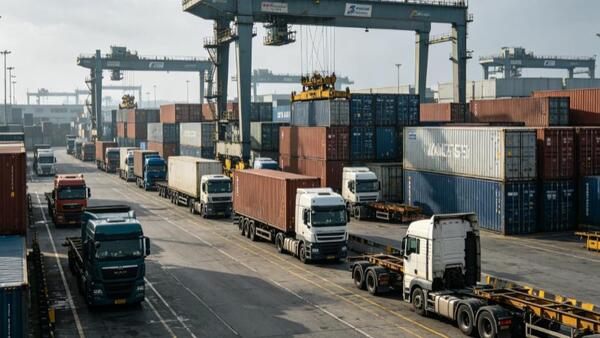
How do winter bottlenecks affect seasonal shipping schedule reliability?
Winter logistics constraints weaken schedule predictability and cost controllability for trans-Pacific liner services connecting Qingdao manufacturing and shipping hubs with Canadian consumer and industrial markets. Variable winter operating conditions introduce higher uncertainty for seasonal cargo planning and client delivery coordination.
Verified winter terminal dwell time and detention data
Latest industry monitoring statistics quantify seasonal schedule fluctuations effectively. According to 2025 North American port operational reports, Halifax Port on Canada’s eastern seaboard registers average container terminal dwell time of 18 days during peak winter weather windows, with select detained containers remaining at terminals for up to 30 days. Vancouver Port container rail detention cycles extend to 6.9 days on average throughout winter months, exceeding typical off-season operational benchmarks.
Winter vessel berthing queue and transit fluctuations
Vessel berthing waiting periods expand notably during winter congestion cycles. Freightos Baltic Index (FBX) 2025 trans-Pacific route surveillance data indicates that Qingdao-origin container vessels bound for Canadian west coast ports experience 7 to 14 days of berthing queue delays during high-traffic winter phases. Prolonged terminal queuing extends overall end-to-end transit durations and disturbs structured delivery timelines for long-term contractual cargo shipments.
A common mistake is applying standard-season transit benchmarks to winter shipment planning. Many forwarding practitioners rely on conventional transit duration estimations for winter cargo arrangements, which can result in misaligned delivery commitments and disruptions to client supply chain coordination workflows.
What core operational challenges affect forwarders’ winter cargo coordination?
Freight forwarding professionals face multi-layered operational obstacles when organizing winter-focused Qingdao to Canada Shipping operations, covering schedule volatility, cost fluctuation, and limited emergency response flexibility.
Irregular terminal operational suspensions: Canadian coastal port terminals undergo unplanned temporary shutdowns during intense winter snow and gale conditions. Discontinuous loading and unloading activities create unscheduled delay events that pose challenges for pre-season cargo scheduling frameworks.
Restricted intermodal inland capacity: Winter railway safety protocols lower daily cargo evacuation throughput from coastal terminals. Insufficient rail slot availability generates container backlogs at port facilities, which restricts subsequent vessel discharge and terminal clearance workflows.
Variable seasonal freight surcharge structures: According to Drewry 2025 container shipping market analysis, winter congestion and constrained transportation capacity trigger incremental surcharge implementation across trans-Pacific lanes. Congestion fees, temporary drayage premiums, and rail capacity supplements raise comprehensive logistics expenditure per container unit.
Elevated container inventory and penalty risks: Extended terminal dwell periods increase the likelihood of container detention and demurrage charges. Forwarders manage heightened inventory pressure and potential contractual penalties linked to delayed cargo handover to overseas consignees.
What practical mitigation strategies relieve winter shipping bottlenecks?
Proactive logistical planning and adaptive route reconfiguration help reduce winter delay exposures for seasonal Qingdao to Canada Shipping operations. Forwarders can stabilise seasonal freight network performance through standardized, data-backed operational protocols.
Implement pre-emptive shipment scheduling protocols: The recommended approach is one of the commonly adopted industry practices, whereby forwarders arrange winter cargo dispatch 10 to 15 days ahead of standard scheduling timelines. Buffered transit windows offset probable terminal congestion and inland rail delays, supporting steady delivery performance for time-sensitive seasonal commodities.
Diversify port selection for seasonal cargo allocation: Redirecting portions of winter cargo to Prince Rupert Port helps distribute congestion pressure. This west Canadian hub maintains comparatively consistent terminal turnover and rail evacuation performance during winter cycles, serving as a viable alternative port option during Vancouver congestion phases.
Secure multi-modal capacity reservations in advance: Forwarders should lock in ocean vessel slots and inland rail allocations three to four weeks prior to winter peak shipment dates. Pre-confirmed capacity reservations reduce exposure to spot-market premium pricing driven by seasonal supply tightness.
Adopt tiered cargo scheduling frameworks: Assign priority intermodal routing for cross-border e-commerce inventory, seasonal retail stock, and time-sensitive industrial components. Deploy conventional ocean routing for low-urgency bulk commodities to balance operational load distribution and cost management targets.
Maintain real-time terminal and transit surveillance: Deploy daily monitoring systems for Canadian port meteorological updates, terminal operational status, and rail timetable adjustments. Timely risk alerts and route recalibration minimise operational disruptions from unforeseen winter weather events.
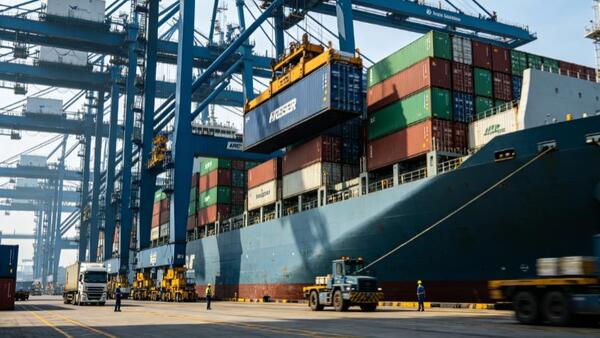
How to build resilient seasonal shipping frameworks for recurring winter operations?
Sustained winter shipping reliability requires forwarders to establish structured risk mitigation frameworks for seasonal Qingdao to Canada Shipping workflows, rather than depending on ad-hoc emergency interventions during disruption events.
Forwarders should note that winter seasonal disruption patterns demonstrate consistent cyclical characteristics across consecutive years. Documenting historical delay metrics and operational resolution methods supports the development of standardized winter shipping SOPs, which improves overall seasonal cargo deployment efficiency.
Prior to each winter shipping cycle, forwarders can enhance client communication protocols to clarify seasonal delay tendencies, adjustable delivery windows, and potential cost fluctuation ranges. Transparent stakeholder communication reduces contractual disputes stemming from uncontrollable winter logistics variables.
Sustained partnership with Canadian terminal operators and rail carriers supports enhanced operational priority access during congestion periods. Localized logistics resource partnerships strengthen supply chain resilience and alleviate winter port delay bottlenecks over repeated seasonal cycles.
Seasonal winter weather and infrastructure constraints continue to introduce operational volatility to trans-Pacific cross-border logistics. By recognizing recurring winter disruption patterns, executing data-driven scheduling protocols, and constructing robust seasonal freight networks, global forwarding firms can mitigate bottleneck risks and sustain consistent, cost-balanced Qingdao to Canada Shipping operations throughout winter high-risk periods.
Last
Navigating customs bond updates when coordinating container shipping from china to usa ocean freight strings
Sound compliance with updated U.S. customs bond regulations has become a core operational priority for freight forwarders managing
Next
Middle east customs clearance document rules for streamlining retail guangzhou commercial freight to dubai logistics networks
Guangzhou to Dubai logistics for cross-border retail commercial freight depends on standardized Middle East customs documentation

