




Cost-efficient LCL consolidation for retail consumer goods depends on systematic rate benchmarking and route analysis across Australia New Zealand Lanes, where direct Australian cargo routes deliver distinct pricing and operational differences for cross-Tasman retail logistics movements. Small-batch, high-frequency retail shipments constitute a large share of bilateral cargo flows between Australia and New Zealand, making less-than-container load consolidation a commonly adopted shipping mode for medium and small retail traders. Global freight forwarders need to understand route-specific cost structures to deliver accurate quotation frameworks and viable cost-saving solutions for retail clients. Gradual adjustments in regional maritime supply and demand have reinforced the value of structured LCL rate comparison for cross-Tasman direct cargo routes.
What defines LCL consolidation pricing for retail goods on trans-Tasman routes?
LCL consolidation pricing for retail consumer goods on trans-Tasman lanes is a composite cost structure determined by cargo volume, carrier tariff schedules, terminal handling charges, and regional port service rules. General retail commodities feature standardized packaging and low-risk attributes, supporting stable and predictable pricing benchmarks in regional LCL spot markets.
According to Drewry 2024 regional short-sea freight research, trade corridors within Oceania including Australia New Zealand Lanes show moderate monthly rate volatility, with price adjustments remaining within a controllable range under normal market conditions. Such steady market performance supports stable budget planning for retail enterprises with recurring cross-border inventory replenishment schedules.
Forwarders should note that general retail consumer goods receive standardized preferential handling treatment at major Australian and New Zealand container terminals. These commodity types are exempt from several special inspection and risk-management surcharges applicable to industrial or hazardous cargo, which helps lower overall LCL consolidation costs for routine cross-Tasman shipments.
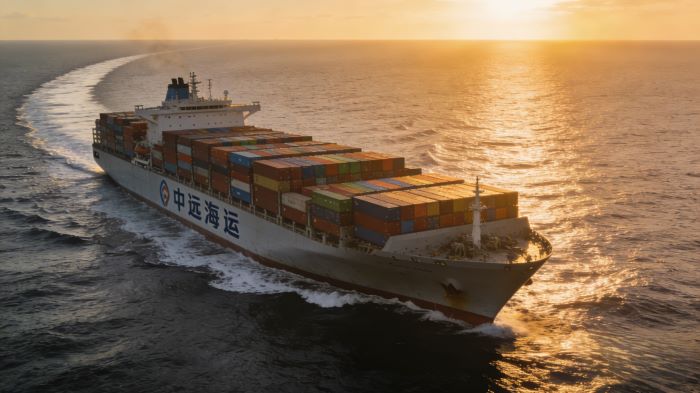
How do direct Australian cargo paths differ from standard New Zealand lanes in LCL pricing?
Direct Australia-to-New Zealand cargo paths adopt streamlined port-to-port operational workflows that eliminate repeated transshipment expenses incurred on multi-stop conventional New Zealand lanes. Hub-based cargo consolidation at Australian mainstream ports generates scale effects that stabilize carrier tariff settings for consolidated retail LCL volumes.
Base ocean freight variations: Direct sailings departing from Sydney, Melbourne, and Brisbane maintain competitive base LCL tariffs for retail commodity shipments. Per Freightos Baltic Index (FBX) 2025 short-sea lane statistics, direct Australia-New Zealand LCL base rates register 8–12 USD per cubic meter lower on average compared to multi-port transshipment alternatives, offering cost advantages for recurring small-volume retail orders.
Terminal handling charge disparities: Australian core container ports implement unified consolidated handling pricing for grouped LCL retail cargo. Centralized cargo aggregation reduces redundant terminal operations, while standard New Zealand lanes involving intermediate transshipment generate secondary handling fees that raise total logistics expenditure.
Consolidation service cost gaps: Direct Australian cargo routes enable large-scale warehouse consolidation managed by local licensed forwarders. Higher aggregated cargo volumes reduce unit operational overheads, whereas scattered cargo collection practices on traditional indirect lanes result in elevated average service premiums.
Peak season pricing fluctuation ranges: Direct trans-Tasman routes show restrained price growth during seasonal shipping peaks tied to retail holiday restocking. Major carriers reserve dedicated capacity for Australia New Zealand Lanes, easing capacity pressure and mitigating drastic tariff hikes during demand spikes.
What core factors drive LCL rate variations for retail shipments across trans-Tasman lanes?
A combination of market dynamics and operational variables contributes to LCL pricing differences for retail goods across Australia New Zealand Lanes, shaping the overall cost structure of cross-Tasman logistics solutions. Familiarity with these influencing factors allows forwarders to conduct data-backed rate analysis and reasonable client quotation configuration.
Cargo volume and shipment regularity: Recurring weekly consolidated shipments tend to qualify for preferential contractual tariff terms compared to irregular one-off shipments. Retail businesses with stable replenishment cycles can accumulate continuous cost benefits via long-term forwarder partnership agreements on direct Australian routes.
Port selection and voyage frequency: Eastern Australian hub ports provide regular direct weekly sailings to New Zealand destinations, while regional Australian ports operate intermittent non-fixed schedules. Variations in sailing frequency affect cargo transit lead time and correspond to differentiated carrier pricing structures.
Integrated customs clearance expenses: Direct route service providers often incorporate synchronized cross-border declaration procedures for general retail cargo. Simplified clearance workflows lower implicit time and service costs, which are not consistently available on transshipment-dependent standard lanes.
Carrier capacity allocation mechanisms: Leading container lines allocate fixed dedicated cabin quotas for LCL retail cargo on Australia-New Zealand direct routes. Reserved capacity stabilizes spot market pricing, while non-dedicated indirect lanes face flexible capacity adjustments and higher pricing volatility.
A common mistake is focusing exclusively on base ocean freight figures while neglecting cumulative auxiliary charges during LCL cost evaluation. Many industry practitioners only compare headline unit freight rates without accounting for terminal handling, documentation, security, and consolidation surcharges, resulting in biased total cost estimations for retail client shipments.
What practical route selection frameworks suit retail LCL forwarding operations?
Rational LCL route selection for retail consumer goods requires matching shipment attributes with route service characteristics to balance operational cost, transit timeliness, and logistics stability. Forwarders can deploy differentiated service solutions based on cargo batch size, delivery deadlines, and client budget constraints.

High-frequency small-batch retail shipments: The recommended approach is to prioritize direct Australian cargo paths for regular store restocking and e-commerce inventory replenishment. These routes feature consistent weekly sailings, controlled unit costs, and simplified operational procedures that align with conventional retail supply chain rhythms.
Low-frequency periodic bulk shipments: For quarterly restocking cargo with flexible delivery windows, forwarders can conduct parallel price comparisons between direct routes and indirect standard lanes. Several multi-stop lanes present competitive off-season tariff levels for large-volume sporadic consignments.
Time-bound promotional retail cargo: Direct trans-Tasman routes involve fewer cargo handling and transshipment links. Reduced intermediate operational steps lower the probability of cargo delays and physical damage, which supports scheduled delivery for time-sensitive promotional commodity shipments.
Budget-focused retail batch orders: Forwarders should leverage long-term contractual pricing resources established on direct Australian trade lanes. Stable cooperative ties with carriers and certified consolidation warehouses help secure favorable term rates and hedge against short-term market volatility.
What market trends shape future LCL pricing on trans-Tasman trade corridors?
Bilateral retail trade activity between Australia and New Zealand has maintained steady expansion in recent years. According to UN Comtrade 2024 bilateral trade datasets, cross-border retail commodity transaction volumes between the two territories record continuous year-on-year growth, driving sustained market demand for professional LCL consolidation services.
Carrier capacity optimization and service standardization have improved pricing transparency across Australia New Zealand Lanes. Intra-regional market competition restrains unreasonable tariff increments, while standardized consolidation workflows reduce hidden operational costs existing in traditional multi-stop shipping models. These progressive market changes deliver more predictable cost expectations for cross-Tasman retail logistics practitioners.
For global freight forwarders servicing trans-Tasman clients, continuous monitoring of LCL cost discrepancies between direct Australian cargo paths and conventional New Zealand lanes remains a core daily operational task. Precise data-driven pricing analysis and adaptive route matching help forwarders improve service accuracy and strengthen long-term client cooperation relationships in the competitive regional logistics sector.
As regional supply chain integration continues to advance, refined LCL cost control and route optimization will grow into essential operational capabilities for forwarders active on Australia New Zealand Lanes. Scientific route screening and detailed rate benchmarking support stable, economical, and high-standard shipping solutions for cross-border retail consumer goods transportation.
Last
Vetting competitive ocean carrier contract rates for bulk agricultural goods shipping from qingdao to Canada borders
Qingdao to Canada Shipping for bulk agricultural commodities requires rigorous carrier rate vetting, as farm-related cargo carries
Next
How local destination agents help global networks bypass landlocked transit roadblocks near critical africa port infrastructure lanes
Africa port infrastructure acts as vital maritime gateways that connect coastal container terminals to inland landlocked African e

