




Stable and reliable direct ocean vessel space allocation serves as a core operational foundation for freight forwarders handling cargo movement via Asia to North America shipping routes. Trans-Pacific maritime trade volumes maintain steady momentum, while liner carrier capacity adjustments occur more frequently across global shipping networks. Securing guaranteed vessel space has transitioned from routine workflow to a vital operational capability for international forwarding enterprises. A range of market variables, including port congestion, seasonal demand surges, and carrier service network restructuring, create uncertainty in space allocation and pose operational challenges for cross-border freight practices in recent years. For forwarders serving manufacturing, retail, and e-commerce clients in trans-Pacific markets, consistent direct vessel space influences cargo delivery punctuality, cost controllability, and overall client service experience.
What are the core challenges of securing vessel space on Asia to North America routes?
Trans-Pacific eastbound shipping lanes feature inherent capacity volatility that complicates direct vessel space allocation for global freight forwarders. This volatility arises from overlapping market dynamics, including fluctuating containerized cargo demand, carrier capacity rationalization initiatives, and regional port operational bottlenecks, which collectively create periodic space shortages during peak shipping cycles. According to UNCTAD 2024 maritime trade statistics, Asia-North America eastbound container throughput records an annual growth rate of 6.2%, whereas the expansion rate of effective direct vessel capacity stands at 3.1%, gradually widening the industry supply-demand gap.
A common mistake is that small and mid-sized freight forwarders rely excessively on spot market bookings for Asia to North America cargo shipments. Many forwarding practitioners fail to fully recognize the seasonal imbalance of trans-Pacific capacity and skip proactive long-term space reservation arrangements. This oversight results in insufficient vessel space and additional freight surcharges during high-demand seasons, such as pre-holiday retail inventory shipping cycles. Such reactive booking methods increase operational expenditures and raise the risk of cargo rollovers, which may weaken long-term client cooperation relationships and market reputation.
What risks do carrier service adjustments bring to space reservation?
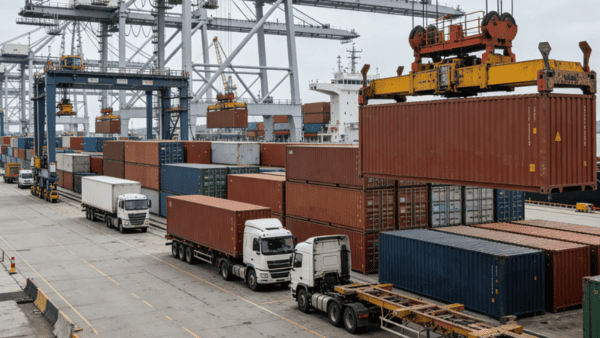
Frequent route optimization by major liner carriers introduces uncertainty to trans-Pacific space allocation stability. Leading ocean carriers regularly adjust their trans-Pacific service networks to improve fleet operational efficiency, which involves suspending, merging, or rerouting partial direct port call routes connecting Asian hub ports and North American gateway terminals. Forwarders without formal long-term contractual carrier partnerships face higher risks of schedule disruption.
Unplanned route adjustments can disrupt pre-formulated shipping schedules and leave container cargo without confirmed vessel loading arrangements for multiple sailing cycles. This issue affects forwarders with flexible cooperation modes more significantly, undermining the stability of their cross-border freight service delivery for Asia to North America shipments.
Why long-term contractual space allocation outperforms spot bookings for trans-Pacific freight?
Long-term contractual vessel space allocation builds structured capacity safeguards to mitigate market risks for forwarders conducting Asia to North America shipping operations. Spot market bookings offer flexible access to vessel space but lack stability amid market fluctuations. In contrast, contractual agreements lock in fixed vessel space quotas and baseline freight rates for 6–12 month cycles, supporting predictable operational planning and systematic cost budgeting for forwarding businesses. According to Freightos Baltic Index (FBX) 2025 Q1 data, contractual trans-Pacific freight rates demonstrate 18–22% lower volatility margins than spot rates during typical market fluctuation cycles.
Forwarders should note that contractual space agreements include standardized priority boarding mechanisms for contracted cargo during high-demand market periods. When Asia to North America vessel space reaches saturation levels, carriers generally prioritize cargo from clients with formal long-term contracts over spot booking cargo. This industry mechanism reduces the probability of cargo rollovers and schedule delays for contracted shipments.
How to balance contractual and spot booking space ratios?
The recommended approach is for forwarders to align contracted space volumes with regular core client cargo throughput while retaining a moderate spot booking quota for variable cargo volumes. Over-reliance on full spot booking models exposes forwarding businesses to substantial market fluctuation risks. Excessive contractual space reservation may lead to unused vessel space resources and potential contractual non-compliance charges.
A balanced allocation framework helps forwarders maintain operational stability for regular shipments while preserving cost flexibility for irregular and seasonal cargo demands on Asia to North America routes.
What actionable strategies help forwarders secure stable direct vessel space?
Freight forwarders can implement structured operational and partnership strategies to secure consistent direct vessel space on Asia to North America trade routes. These systematic solutions cover carrier partnership development, booking schedule optimization, and market risk early warning mechanisms, addressing common space shortage and instability issues in trans-Pacific maritime freight operations.
Establish tiered carrier partnership systems: Forwarders can build cooperative relationships with 3–5 mainstream liner carriers with differentiated trans-Pacific route coverage. Diversified partnership frameworks reduce over-reliance on single-carrier capacity changes and provide alternative direct vessel space options when individual carriers adjust route capacity on Asia to North America lanes.
Optimize seasonal space reservation planning: Integrate historical shipping data and industry seasonal demand patterns to complete space reservation 2–3 months ahead of peak shipping windows. According to Drewry 2025 trans-Pacific shipping analysis, Q3 and Q4 witness heightened North American retail inventory restocking activities, driving approximately 40% higher container space demand compared with industry off-seasons and requiring proactive space deployment.
Leverage hub port aggregation advantages: Consolidate scattered client cargo at major Asian hub ports including Shanghai, Ningbo, Shenzhen, and Busan. Centralized cargo gathering increases single-booking shipment volumes, which strengthens forwarders’ negotiation leverage with carriers for consistent direct space allocation and standard priority loading qualifications.
Build real-time market risk monitoring mechanisms: Track dynamic industry data including carrier capacity adjustment announcements, major port congestion status, and trans-Pacific freight index variations. Timely adjustment of booking strategies and reserved space volumes helps enterprises adapt to emergent market changes on Asia to North America shipping routes.
How to avoid common space allocation failures in trans-Pacific shipping?
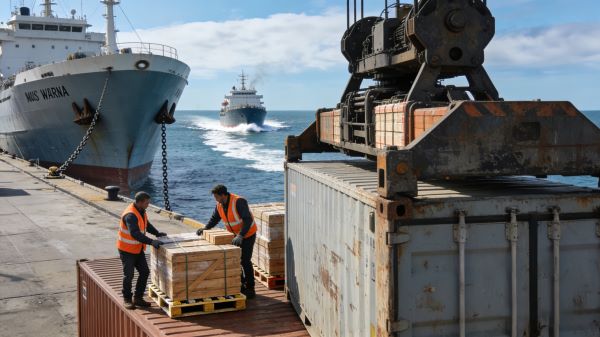
Most vessel space allocation failures on Asia to North America routes originate from routine operational oversights and insufficient risk prevention frameworks. Forwarders commonly overlook detailed contractual provisions and subtle market shift signals, which may result in invalid space reservations and unplanned cargo shipping delays.
A common mistake is insufficient review of space utilization assessment clauses in carrier cooperation contracts. Multiple forwarders sign long-term space allocation agreements without clarifying minimum periodic cargo volume requirements. When actual shipment throughput fails to meet contracted standards, carriers may exercise contractual rights to adjust reserved space quotas. This operational oversight leads to insufficient available vessel space in subsequent sailing cycles and passive operational status.
How do port congestion and schedule delays affect reserved space?
Forwarders should note that temporary port congestion and vessel schedule disruptions trigger systematic space resource redistribution across trans-Pacific networks. When North American gateway ports such as Los Angeles and Long Beach face berthing congestion or operational backlogs, carriers adjust vessel berthing sequences and redistribute available space resources.
Such industry adjustments may reduce reserved space quotas for forwarders without targeted risk response protocols, creating potential shipment delay risks for Asia to North America container cargo.
The recommended approach is to integrate flexible adjustment provisions into carrier cooperation contracts. Forwarders can negotiate reasonable cargo volume adjustment ranges and peak-season space guarantee terms with partner carriers. Customized contractual terms enable reserved vessel space to adapt to fluctuating client cargo volumes and emergent market changes on trans-Pacific shipping lanes.
What long-term benefits does stable space allocation bring to forwarders?
Consistent direct ocean vessel space allocation improves the comprehensive operational competitiveness of forwarders delivering Asia to North America freight services. Within the competitive trans-Pacific logistics sector, service stability serves as one of the key evaluation metrics for large-scale manufacturing and retail enterprises selecting long-term freight forwarding partners.
Stable vessel space support enables forwarders to provide clients with fixed sailing schedules and predictable cargo delivery cycles, supporting the development of standardized, repeatable service workflows. Systematic service stability helps forwarders distinguish themselves from peers with inconsistent shipping execution capabilities, supporting steady expansion of high-quality client resources and improved long-term order retention rates.
How does stable space allocation optimize corporate cost control?
Long-term contractual space allocation assists forwarders in optimizing comprehensive trans-Pacific shipping cost structures. Fixed contractual freight rates and stable reserved space resources reduce additional expenditure caused by last-minute spot bookings and emergency cargo rerouting arrangements.
Such cost optimization effects steadily improve the profit margins of trans-Pacific freight business segments for medium and large-scale forwarding enterprises conducting Asia to North America shipping services.
For global freight forwarders focused on trans-Pacific cross-border logistics, refined vessel space allocation management and stable carrier capacity resources support sustainable business development within the Asia to North America trade market. Continuous optimization of carrier partnership frameworks, booking management workflows, and risk prevention systems helps forwarding enterprises adapt to evolving industry dynamics and maintain steady service competitiveness in trans-Pacific maritime freight operations.
Last
Streamlining short sea shipping schedules to improve cross border connectivity within intra asia carrier logistics networks
Intra Asia logistics relies heavily on efficient short sea shipping operations to sustain frequent, cost-effective cross-border ca
Next
Overcoming customs data harmonization challenges when coordinating cross border trucking inside intra asia corporate logistics channels
Intra Asia logistics depends on stable cross-border trucking networks to support regional corporate cargo distribution and cross-b

