




For global freight forwarders handling Shipping from China to Australia, understanding and complying with Australia’s quarantine standards is essential to avoid delays, additional costs, and cargo rejection. Australia’s strict biosecurity measures are designed to protect its unique ecosystem from exotic pests and diseases.
What Are Australia’s Core Quarantine Standards for Incoming Sea Freight?
Australia’s core quarantine standards for incoming sea freight are a set of biosecurity regulations enforced by the Department of Agriculture, Fisheries and Forestry (DAFF) to prevent the entry of harmful pests, diseases, and contaminants. These standards cover cargo packaging, container conditions, and documentation requirements.
Cargo Packaging and Dunnage Requirements
Packaging materials used for sea freight from China to Australia must meet specific biosecurity criteria to minimize biosecurity risks. The DAFF mandates that packaging, especially timber-based materials, must be free of pests, soil, and plant or animal matter that could harbor exotic organisms.
According to DAFF 2026 guidelines, reconstituted wood products such as particleboard, chipboard, and medium-density fibreboard (MDF) are generally permitted for packaging, as they have a consistent track record of being free of biosecurity risks. These materials are only monitored during routine surveillance inspections rather than subject to strict pre-clearance requirements.
Exposed timber components in packaging or dunnage, however, require special attention. Australia has regulated timber-associated cargo materials since the 1970s, and exposed timber must be free of active infestation. Forwarders should note that exposed timber used in container construction or dunnage should be permanently treated with DAFF-approved preservatives to avoid clearance delays.
Container Biosecurity Conditions
Containers carrying sea freight from China to Australia must be free of biosecurity risk materials on both their interior and exterior. This includes soil, plant debris, animal products, and any other substances that could introduce exotic pests or diseases into Australia’s ecosystem.
The DAFF’s Biosecurity Treatment Guide defines specific risk materials and outlines approved treatment options for contaminated containers. For example, containers found with soil residues may require steam cleaning or fumigation before they can be cleared. According to DAFF 2026 Q1 data, approximately 7.8% of containers entering Australia from China require some form of biosecurity treatment, highlighting the importance of pre-shipment inspections.
A common mistake is assuming that containers without exposed timber are exempt from biosecurity checks. Even containers constructed with non-timber materials can harbor risks such as soil or plant matter, so forwarders must ensure thorough cleaning and inspection of all containers before shipment.
Documentation and Declaration Requirements
Proper documentation is a critical part of Australia’s quarantine standards, as it allows DAFF officials to assess biosecurity risks before cargo arrives. Forwarders must submit accurate and complete declarations, including details of the cargo, packaging materials, and any treatments applied.
Key documents required for sea freight from China to Australia include a Biosecurity Import Declaration (BID), a packing list, and a commercial invoice. For certain high-risk goods, additional certificates such as a Phytosanitary Certificate (issued by China’s General Administration of Customs) may be required. According to DAFF 2025 data, incomplete or inaccurate documentation is a leading cause of quarantine delays, accounting for 34% of all clearance hold-ups.
Why Are Australia’s Quarantine Standards So Strict?
Australia’s quarantine standards are strict due to its unique geographical isolation and fragile ecosystem, which has evolved without many of the pests and diseases common in other parts of the world. Protecting this ecosystem is a top priority for the Australian government, as exotic pests could devastate local agriculture and biodiversity.
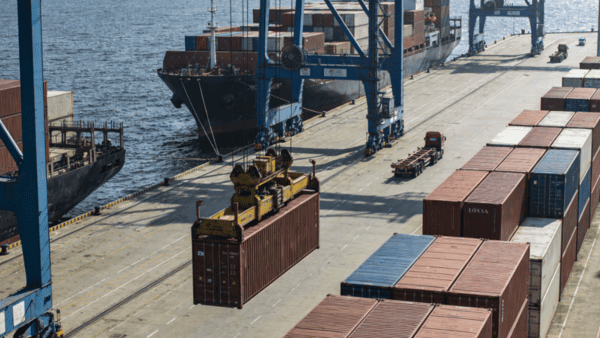
Ecosystem Protection and Agricultural Security
Australia’s isolation has resulted in a distinct ecosystem with many endemic species that are vulnerable to exotic pests and diseases. For example, the introduction of the European honey bee has already caused significant damage to native pollinators, and the government aims to prevent similar incidents through strict quarantine measures.
Agriculture is another key driver of strict quarantine standards. According to UN Comtrade 2025 data, Australia’s agricultural exports are valued at over $48.2 billion annually, and a single pest infestation could lead to billions in losses. For forwarders handling Shipping from China to Australia, understanding this context helps explain why even minor biosecurity breaches can result in severe consequences.
Regulatory and Compliance Obligations
Australia’s quarantine standards are enforced under the Biosecurity Act 2015, which imposes legal obligations on importers, exporters, and freight forwarders. Non-compliance can result in fines (up to $2.1 million AUD for serious breaches), cargo seizure, or even criminal charges, making it essential for forwarders to adhere strictly to all requirements.
The recommended approach is for forwarders to view quarantine compliance as an integral part of their service, rather than an afterthought. By proactively ensuring cargo meets DAFF standards, forwarders can avoid costly delays and maintain trust with their clients.
How Can Forwarders Ensure Compliance with Australia’s Quarantine Standards?
Forwarders can ensure compliance with Australia’s quarantine standards by implementing proactive measures, conducting thorough pre-shipment checks, and leveraging reliable partners. These steps help minimize biosecurity risks and ensure smooth clearance for sea freight from China to Australia.
Conduct pre-shipment container inspections: Before shipping, forwarders should arrange for comprehensive pre-shipment inspections (PSI) of containers to check for biosecurity risks such as soil, plant debris, or pest infestations. This includes examining both the interior and exterior of containers, as well as any packaging or dunnage used. Many forwarders partner with third-party inspection services (TPIs) accredited by DAFF to ensure thoroughness.
Verify packaging material compliance: Forwarders should work closely with suppliers to ensure all packaging materials meet DAFF requirements. This includes confirming that timber packaging complies with ISPM 15 standards (International Standards for Phytosanitary Measures No. 15) and that reconstituted wood products are used where possible. Forwarders should note that using non-compliant packaging is a common cause of quarantine delays and can result in additional treatment costs.
Ensure accurate documentation: Double-checking all required documentation before submission is crucial to avoid delays. Forwarders should verify that the Biosecurity Import Declaration (BID), packing list, and any additional certificates are complete and accurate. Using digital documentation tools such as DAFF’s online BID portal can help reduce errors and streamline the submission process.
Partner with local Australian biosecurity experts: Collaborating with local biosecurity consultants or licensed customs brokers in Australia can provide valuable insights into evolving quarantine standards. These partners can help forwarders navigate complex requirements and address any issues that arise during clearance, reducing the risk of delays.
Train staff on biosecurity best practices: Ensuring that staff are trained on Australia’s quarantine standards and biosecurity risks is essential for compliance. This includes training on how to identify potential risks, properly document cargo, and communicate with suppliers and DAFF officials. Regular training updates are necessary to keep up with changes in regulations.
What Are the Common Compliance Mistakes Forwarders Make?
Forwarders often make avoidable mistakes when navigating Australia’s quarantine standards, which can lead to delays, additional costs, and damage to their reputation. Recognizing these mistakes is the first step toward improving compliance.
Underestimating the Importance of Pre-Shipment Cleaning
A common mistake is cutting corners on pre-shipment cleaning, assuming that minor contaminants will go unnoticed. According to DAFF 2026 Q1 data, 41% of quarantine delays for sea freight from China to Australia are caused by inadequate cleaning, resulting in containers being held for treatment or inspection.
Forwarders should note that even small amounts of soil or plant matter can trigger a biosecurity hold. The recommended approach is to implement strict cleaning protocols and conduct visual inspections before containers are loaded.
Inaccurate or Incomplete Declarations
Submitting inaccurate or incomplete declarations is another frequent mistake. This includes misclassifying cargo under the Harmonized System (HS) codes, failing to disclose packaging materials, or providing incorrect information about treatments applied. DAFF officials rely on this information to assess risk, and errors can lead to lengthy clearance delays.
Overlooking High-Risk Cargo Categories
Certain cargo categories, such as agricultural products, timber, and used machinery, are considered higher risk for biosecurity breaches. Forwarders often overlook the additional requirements for these goods, such as the need for Phytosanitary Certificates or specific treatment documentation. This can result in cargo being rejected or held for further inspection.
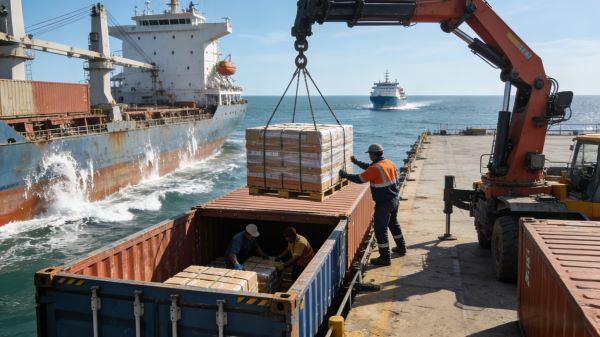
How Do Quarantine Standards Impact Shipping Timelines and Costs?
Australia’s quarantine standards can significantly impact shipping timelines and costs for sea freight from China to Australia, especially when compliance is not prioritized. Understanding these impacts helps forwarders manage client expectations and optimize their operations.
Timeline Impacts
Compliant cargo typically clears quarantine within 1-2 business days, but non-compliant cargo can be held for weeks while treatments are applied or documentation is corrected. According to Drewry 2026 Q1 data, quarantine delays for sea freight from China to Australia average 7-10 days for non-compliant shipments, significantly extending overall shipping timelines.
Seasonal factors can also impact quarantine timelines. For example, during peak shipping periods (May-June and September-October), DAFF inspection facilities may be busier, leading to longer wait times even for compliant cargo. Forwarders should factor this into their planning and advise clients to allow additional buffer time.
Cost Impacts
Non-compliance with quarantine standards can result in significant additional costs, including treatment fees, inspection fees, and storage charges. According to DAFF 2026 fee schedules, fumigation for a standard 20ft container costs approximately $380-$520 AUD, while storage fees can range from $22-$55 AUD per day at major Australian ports.
Forwarders should note that these costs are often passed on to clients, which can damage client relationships. The recommended approach is to invest in proactive compliance measures to avoid these unnecessary expenses and maintain competitive pricing.
How to Adapt to Changing Quarantine Standards?
Australia’s quarantine standards are not static and can evolve in response to new biosecurity threats, technological advancements, and regulatory changes. Forwarders must stay updated to ensure ongoing compliance for sea freight from China to Australia.
Monitor DAFF updates and announcements: The DAFF regularly updates its guidelines and requirements through its official website and email notifications. Forwarders should subscribe to these updates to stay informed about changes to packaging requirements, documentation standards, and high-risk cargo categories.
Engage in industry associations and networks: Joining industry associations such as the International Federation of Freight Forwarders Associations (FIATA) or the Australian International Freight Association (AIFA) can provide access to resources and updates on quarantine standards. These networks also offer opportunities to share best practices with other forwarders operating in the China-Australia route.
Invest in digital tools for compliance: Digital tools such as biosecurity management software and freight management systems (FMS) can help forwarders track compliance requirements, manage documentation, and receive alerts about changes to standards. These tools can streamline processes and reduce the risk of human error.
Collaborate with suppliers and clients: Maintaining open communication with suppliers and clients is essential for adapting to changing standards. Forwarders should work with suppliers to ensure they understand and meet new requirements, and inform clients about any changes that may impact their shipments, such as extended lead times or additional documentation.
For global freight forwarders handling Shipping from China to Australia, complying with Australia’s quarantine standards is not just a regulatory obligation—it is a key component of providing reliable, high-quality service. By understanding the core requirements, avoiding common mistakes, and staying updated on changes, forwarders can minimize delays, reduce costs, and build trust with their clients. Prioritizing biosecurity compliance ensures that sea freight from China to Australia arrives safely and efficiently, while protecting Australia’s unique ecosystem and agricultural industry.

Last
Efficiency at Sea: How Container Repositioning Affects Ocean Freight Cost from China to Africa
For global freight forwarders navigating the Sino-African shipping route, understanding how container repositioning influences Oce
Next
Securing Space for Ocean Shipments from China to Australia
For global freight forwarders, securing stable and cost-effective space for Shipping from China to Australia is a critical task th

