



For global freight forwarders, securing stable and cost-effective space for Shipping from China to Australia is a critical task that directly impacts service quality and client retention. With fluctuating market demand, port congestion, and evolving trade policies, mastering the art of space booking has become a core competency for forwarders operating on this route.
Why Is Securing Space for Shipping from China to Australia Challenging?
Securing space for ocean shipments from China to Australia is challenging due to a combination of market volatility, port operational constraints, and seasonal demand fluctuations. These factors often create uncertainties that test the operational efficiency of even experienced freight forwarders.
Growing Trade Demand and Limited Vessel Capacity
According to UNCTAD 2026 Q1 data, maritime trade volumes between China and Australia have maintained steady growth, with seaborne trade in ton-miles increasing by 6.2% in 2025 compared to 2024, reflecting rising demand for shipping services on this route. This growing demand, coupled with limited vessel capacity in peak seasons, often leads to tight space availability. Shipping lines have gradually increased capacity on the route, but the growth rate of demand has outpaced capacity expansion in key periods.
Port Congestion and Route Capacity Redistribution
Port congestion further exacerbates the challenge. Major Chinese ports like Ningbo-Zhoushan Port, which handled over 142.8 million TEUs in the first four months of 2026 (according to Ningbo-Zhoushan Port official website data), often face busy operational rhythms, leading to longer waiting times for vessels and potential delays in space allocation. Additionally, the opening of new routes, such as Dalian’s direct service to Australian ports, has redistributed capacity, creating new dynamics in space availability and requiring forwarders to adjust their booking strategies accordingly.
Seasonal Demand Fluctuations
Forwarders should note that seasonal demand fluctuations are a key contributor to space scarcity. Peak shipping periods, typically from May to June and September to October, see a surge in cargo volumes as businesses rush to meet delivery deadlines, putting significant pressure on available container space. According to Shanghai Shipping Exchange (SSE) March 2026 data, the China-Australia route freight index rose by 12.3% in February 2026 compared to the previous month, a clear indicator of increased demand and tighter space.
What Factors Influence Space Availability for China-Australia Ocean Shipments?
Several interrelated factors influence space availability for Shipping from China to Australia, including market demand, vessel capacity, port efficiency, and geopolitical and regulatory changes. Understanding these factors is essential for forwarders to anticipate challenges and secure space effectively.
Bilateral Trade Volumes and Cargo Demand
Market demand is closely tied to bilateral trade volumes. According to Chinese General Administration of Customs (GAC) 2025 data, China remains Australia’s largest trading partner, with a total bilateral goods trade volume of 223.7 billion US dollars in 2025, representing a 5.7% year-on-year growth. Commodities such as mechanical and electrical products, steel, and grain from China, and agricultural products and mineral resources from Australia, drive consistent demand for shipping space, with peaks coinciding with production and consumption cycles.
Vessel Capacity and Route Allocation Strategies
Vessel capacity and route allocation are also critical. Shipping lines often adjust their capacity based on profitability and demand, which can lead to fluctuations in space availability. For example, the opening of Dalian’s direct route to Sydney, Melbourne, and Brisbane cut sailing time from 35-45 days to around 20 days, but this new route also diverted capacity from other existing routes, affecting space distribution. UNCTAD 2026 Q1 data notes that while alternative fuel vessels are increasingly being ordered, over 88% of the active fleet still runs on conventional fuels, limiting the speed at which capacity can be expanded.
Port Efficiency and Operational Performance
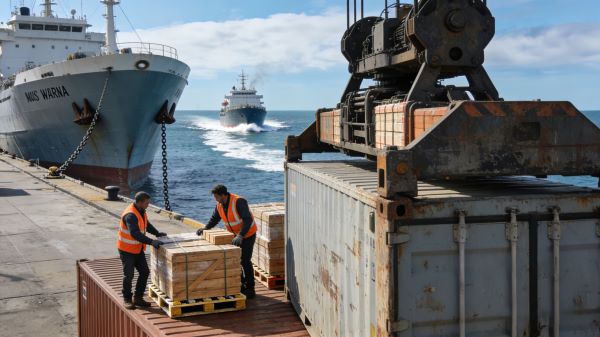
Port efficiency plays a vital role in space availability. Ports with high operational efficiency, such as Ningbo-Zhoushan Port and Qingdao Port, can process more containers quickly, reducing vessel turnaround time and freeing up capacity. In contrast, ports facing congestion or operational delays can lead to vessel bottlenecks, reducing the number of available sailings and tightening space. Qingdao Port’s 2025 annual report shows that its container handling efficiency reached 180 moves per hour, significantly higher than the global average, making it a preferred port for forwarders seeking stable space.
Regulatory and Geopolitical Impacts
A common mistake is underestimating the impact of regulatory and geopolitical changes. Changes in customs procedures, import/export restrictions, or maritime security policies can disrupt shipping schedules and affect space availability. For instance, increased security measures in key shipping lanes, such as the Strait of Malacca, have led to longer voyage times and capacity adjustments, indirectly impacting the China-Australia route and requiring forwarders to factor in additional buffer time for bookings.
How Can Forwarders Effectively Secure Space for Shipping from China to Australia?
Forwarders can effectively secure space for Shipping from China to Australia by adopting proactive strategies, building strong partnerships, and leveraging data-driven insights. These approaches help mitigate risks and ensure consistent access to space, even in tight market conditions.
Establish long-term partnerships with shipping lines: Building collaborative relationships with major shipping lines operating the China-Australia route (such as Maersk, MSC, and COSCO Shipping) is one of the most effective ways to secure priority space. Forwarders should focus on maintaining regular communication, meeting volume commitments, and demonstrating reliability, as this often leads to preferential space allocation, especially during peak seasons. The recommended approach is to partner with multiple shipping lines to diversify capacity sources and avoid over-reliance on a single provider.
Adopt advanced booking practices: Booking space well in advance is crucial, particularly during peak periods. Forwarders should work closely with clients to forecast cargo volumes and submit booking requests 4-6 weeks before the intended sailing date. Additionally, using digital booking platforms and API integrations can streamline the booking process, reduce errors, and provide real-time updates on space availability, helping forwarders secure space more efficiently. Many leading forwarders now use TMS (Transportation Management System) to automate booking workflows and improve response times.
Leverage data to forecast demand and freight trends: Data-driven decision-making is key to anticipating space shortages and optimizing booking strategies. Forwarders should analyze historical data on cargo volumes, freight trends, and peak seasons, as well as real-time data from sources like the Shanghai Shipping Exchange and Freightos Baltic Index (FBX). According to Shanghai Shipping Exchange March 2026 data, the Australia-New Zealand route freight index reached 1286.4 in February 2026, a 12.3% increase from the previous month, which could indicate upcoming space tightness and prompt forwarders to adjust their booking timelines.
Optimize cargo consolidation and routing: Consolidating small shipments into full containers (FCL) can make forwarders more attractive to shipping lines, as it maximizes container utilization and reduces handling costs. Additionally, considering alternative routes or ports can help secure space when primary routes are congested. For example, using Dalian’s direct route to Australian ports can be a viable alternative to traditional ports like Shanghai or Shenzhen, especially for cargo originating from northern China, reducing both transit time and space competition.
Implement effective risk management: Forwarders should develop contingency plans to address unexpected space shortages, such as having backup shipping lines, adjusting sailing dates, or negotiating flexible terms with clients. Forwarders should note that maintaining clear communication with clients about potential delays or space constraints is essential to managing expectations and preserving client trust. Many forwarders also use cargo insurance to mitigate financial risks associated with space shortages or delays.
What Are the Common Pitfalls to Avoid When Securing Space?
Avoiding common pitfalls is as important as adopting best practices when securing space for Shipping from China to Australia. These pitfalls often lead to missed sailings, increased costs, and client dissatisfaction, which can harm a forwarder’s reputation.
Incomplete or Inaccurate Booking Information
A common mistake is submitting incomplete or inaccurate booking information. Errors in cargo details, such as weight, volume, or commodity type, can lead to booking cancellations or space reallocation, as shipping lines rely on this information to allocate appropriate container space and ensure compliance with safety regulations (such as SOLAS VGM requirements). Forwarders should implement strict quality control processes to verify booking information before submission, including cross-checking with clients and reviewing shipping documents.
Over-Reliance on a Single Shipping Line or Route
Another pitfall is over-reliance on a single shipping line or route. If a shipping line reduces capacity, suspends sailings, or faces operational issues (such as vessel breakdowns), forwarders who depend solely on that provider may struggle to secure space, leading to delays. The recommended approach is to diversify partnerships and routes, ensuring that there are alternative options available in case of disruptions. For example, forwarders can partner with both mainline carriers and niche carriers to balance stability and flexibility.
Underestimating Lead Times
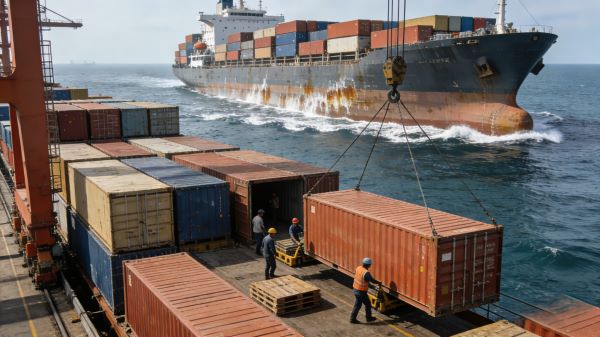
Underestimating lead times is also a frequent error. Forwarders often fail to account for the time required for cargo preparation, customs clearance, and port handling, leading to last-minute booking requests that are unlikely to be fulfilled, especially during peak seasons. Forwarders should work with clients to establish realistic timelines and build in buffer time (typically 3-5 days) to accommodate unexpected delays, such as customs inspections or port congestion.
Ignoring Digital Tools and Automation
Forwarders should note that ignoring digital tools and automation can also hinder space-securing efforts. Manual booking processes are slower, more prone to errors, and less effective at tracking real-time space availability compared to digital platforms. Adopting货代 SaaS solutions, TMS, and API integrations can streamline operations, provide better visibility into space availability, and improve overall efficiency. A 2025 industry survey by IATA found that forwarders using digital tools are 37% more likely to secure preferred space during peak seasons.
How to Adapt to Changing Market Conditions for Long-Term Space Security?
Adapting to changing market conditions is essential for forwarders to maintain long-term space security for Shipping from China to Australia. The maritime industry is constantly evolving, and forwarders must be flexible and proactive to stay ahead of trends and challenges.
Stay Updated on Industry Trends and Policy Changes
One key strategy is to stay updated on industry trends and policy changes. This includes monitoring bilateral trade agreements, port expansions, and shipping line capacity adjustments. For example, the ongoing expansion of Chinese ports like Ningbo-Zhoushan and Qingdao, which are adding new berths and increasing handling capacity, presents new opportunities for forwarders to secure space more effectively. Additionally, changes in Australian customs regulations, such as simplified clearance procedures for certain commodities, can impact shipping timelines and space demand.
Invest in Digital Transformation
Investing in digital transformation is another critical step. Digital tools such as AI-powered demand forecasting, real-time tracking platforms, and automated booking systems can help forwarders anticipate space shortages, optimize routing, and improve communication with shipping lines and clients. UNCTAD 2026 Q1 data highlights that digitalization and automation are rapidly transforming the maritime industry, with smart ports and AI systems reducing congestion by 28% and improving operational efficiency by 32% on average.
Build a Network of Local Partners
Building a network of local partners in China and Australia can also enhance space security. Local partners (such as local freight forwarders, customs brokers, and port agents) can provide valuable insights into port conditions, local regulations, and emerging trends, helping forwarders adapt their strategies to meet changing market needs. For example, local partners in Australia can provide updates on destination port congestion, allowing forwarders to adjust booking plans accordingly and avoid delays.
Adopt a Proactive and Flexible Mindset
The recommended approach is to adopt a proactive and flexible mindset, continuously evaluating and adjusting strategies based on market conditions. By combining data-driven insights, strong partnerships, and digital tools, forwarders can navigate the complexities of the China-Australia shipping route and ensure consistent access to space for their clients. Regularly reviewing and optimizing booking processes, as well as conducting post-shipping analyses, can also help forwarders identify areas for improvement and enhance their space-securing capabilities.
Securing space for Shipping from China to Australia requires a combination of strategic planning, proactive communication, and adaptability. For global freight forwarders, mastering this process is essential to delivering reliable service, maintaining client trust, and staying competitive in the dynamic maritime industry. By understanding the factors influencing space availability, adopting best practices, avoiding common pitfalls, and adapting to changing market conditions, forwarders can effectively secure space and drive long-term success in the China-Australia shipping route.
|(注:文档部分内容可能由 AI 生成)
Last
Quarantine Standards for Sea Freight Entering Australia from China
For global freight forwarders handling Shipping from China to Australia, understanding and complying with Australia’s quarantine s
Next
Hidden Fees to Avoid: A Comprehensive Breakdown of Ocean Freight Cost from China to Africa
For global freight forwarders managing shipments between China and Africa, understanding the full scope of Ocean Freight Cost from