




For global freight forwarders, securing guaranteed Transit Time for FCL from Ningbo to UK is closely tied to carrier selection, as the right carrier can minimize delays and ensure consistent, reliable logistics services.
What Is Guaranteed FCL Transit Time for the Ningbo to UK Route?
Guaranteed FCL transit time refers to a committed timeframe provided by carriers for container shipments from Ningbo to the UK, with predefined terms for delays. It offers forwarders and their clients predictability in supply chain planning.
Unlike estimated transit times, guaranteed transit time often includes compensation clauses if the carrier fails to meet the committed timeframe, such as freight discounts or rebates. This commitment is particularly valuable for forwarders managing time-sensitive cargo, as it reduces uncertainty and helps manage client expectations.
According to UNCTAD 2026 (Q1) data, FCL shipments with guaranteed transit time agreements experience 29% fewer unplanned delays compared to those with only estimated timelines. This underscores the importance of such commitments for forwarders operating on the Ningbo to UK route.
Why Does Carrier Selection Directly Impact Guaranteed FCL Transit Time?
Carrier selection directly impacts guaranteed FCL transit time because carriers vary in fleet capacity, route coverage, port partnerships, and operational efficiency—all factors that determine their ability to meet committed timelines.
Forwarders should note that not all carriers can reliably honor guaranteed transit time commitments, especially during peak seasons or periods of disruption. Carriers with limited fleet capacity may struggle to avoid rollovers, while those with weak port partnerships may face longer berthing and unloading delays.
According to Drewry 2026 (Q1) data, carriers operating on the Ningbo to UK FCL route had a 67.8% schedule reliability rate in January 2026, with top carriers reaching 78.2% reliability and smaller carriers falling below 62%. This variance directly affects their ability to deliver on guaranteed transit time promises.
A common mistake is for forwarders to assume all carriers offer the same level of reliability for guaranteed transit time. Choosing a carrier without evaluating their track record on the Ningbo to UK route can lead to unmet commitments and damaged client relationships.
What Key Carrier Capabilities Influence Guaranteed FCL Transit Time?
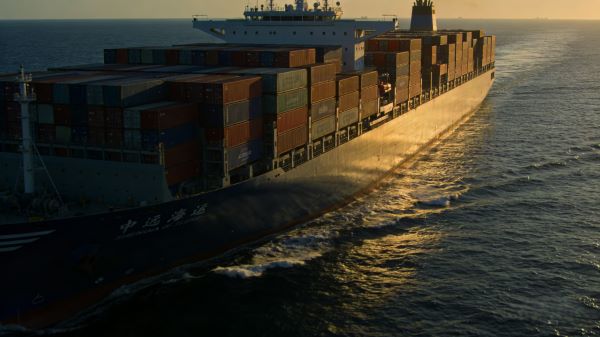
Several core carrier capabilities influence the ability to deliver guaranteed FCL transit time on the Ningbo to UK route, including fleet reliability, port access, route optimization, and contingency planning.
How Does Fleet Reliability Affect Transit Time Commitments?
Fleet reliability—encompassing vessel maintenance, age, and schedule adherence—is a critical factor in a carrier’s ability to meet guaranteed FCL transit time from Ningbo to UK.
Carriers with newer vessels (less than 10 years old) often experience fewer mechanical issues, reducing the risk of unscheduled stops or delays. According to Sea-Intelligence data cited in Drewry 2026 (Q1) reports, newer vessels on the Ningbo to UK route have a 93.5% on-time departure rate, compared to 79.2% for vessels over 15 years old.
The recommended approach is for forwarders to prioritize carriers with a young, well-maintained fleet and a history of minimal unscheduled maintenance. This reduces the likelihood of disruptions that could breach guaranteed transit time agreements.
Why Is Port Access a Critical Factor for Carriers?
Port access—including berthing rights, priority handling, and partnerships with key ports—directly impacts a carrier’s ability to meet guaranteed transit time for Ningbo to UK FCL shipments.
Carriers with strong partnerships with Ningbo-Zhoushan Port and UK ports like Felixstowe often benefit from shorter berthing delays and faster unloading times. Felixstowe Port, which has nine berths and 28 quay cranes, offers flexible berth windows for carriers with established partnerships, reducing waiting times significantly.
According to the Port of Felixstowe 2026 (Q1) operational data, carriers with preferred partner status experience an average berthing delay of 5.5 hours, compared to 13.8 hours for non-partner carriers. This difference can make or break a guaranteed transit time commitment.
How Does Route Optimization Impact Transit Time?
Route optimization—including avoiding high-risk areas, leveraging efficient shipping lanes, and minimizing transshipments—helps carriers maintain guaranteed FCL transit time from Ningbo to UK.
Carriers that optimize routes to avoid weather disruptions (such as typhoons in the East China Sea) and geopolitical hotspots can reduce transit time variability. According to UNCTAD 2026 (Q1) data, optimized routes for the Ningbo to UK FCL route reduce average transit time by 3-4 days compared to non-optimized routes.
Forwarders should note that carriers offering direct routes from Ningbo to UK ports (rather than transshipment via other European ports) are more likely to meet guaranteed transit time commitments, as transshipments introduce additional delays.
What Criteria Should Forwarders Use to Select Carriers for Guaranteed FCL Transit Time?
Forwarders should use a structured set of criteria to select carriers capable of delivering guaranteed FCL transit time on the Ningbo to UK route, focusing on reliability, contractual terms, and operational support.
Evaluate Historical Reliability: Review the carrier’s on-time performance on the Ningbo to UK route over the past 12 months. Look for consistent schedule adherence, especially during peak seasons. According to Drewry 2026 (Q1) data, top carriers like Maersk and Hapag-Lloyd had on-time reliability rates of 78.2% and 74.5% respectively on Asia-Europe routes.
Review Guaranteed Transit Time Terms: Carefully examine the carrier’s contractual terms for guaranteed transit time, including compensation for delays, exclusion clauses (e.g., weather, port strikes), and dispute resolution processes. Avoid carriers with vague terms or excessive exclusion clauses.
Assess Port Partnerships: Verify the carrier’s partnerships with key ports in Ningbo and the UK. Carriers with preferred access to Felixstowe’s deep-water berths (capable of handling 24,000 TEU mega vessels) can reduce unloading delays significantly.
Check Fleet and Capacity: Evaluate the carrier’s fleet size and capacity on the Ningbo to UK route. Carriers with dedicated vessels for this route are less likely to experience rollovers, which can breach guaranteed transit time commitments.
Verify Contingency Planning: Ask carriers about their contingency plans for disruptions (e.g., weather, port closures). Carriers with alternative routes or backup capacity are better equipped to meet guaranteed transit time even during unexpected events.

How Can Forwarders Mitigate Risks When Relying on Carrier-Guaranteed Transit Time?
Forwarders can mitigate risks associated with carrier-guaranteed transit time on the Ningbo to UK route by implementing proactive measures, including due diligence, contract management, and backup planning.
Why Is Due Diligence Essential Before Selecting a Carrier?
Due diligence is essential before selecting a carrier because it helps forwarders verify the carrier’s ability to meet guaranteed transit time commitments and avoid costly delays.
A common mistake is for forwarders to skip due diligence and select carriers based solely on price. This can lead to partnering with carriers that lack the capacity or reliability to honor their commitments, resulting in client dissatisfaction and financial losses.
The recommended approach is to conduct a thorough review of the carrier’s operational history, including references from other forwarders, on-time performance data, and past compliance with guaranteed transit time agreements. This due diligence should be repeated annually, as carrier performance can change over time.
How to Manage Contracts for Guaranteed Transit Time?
Managing contracts effectively is key to ensuring carriers uphold their guaranteed transit time commitments, as clear terms and accountability reduce the risk of disputes.
Forwarders should ensure contracts include specific details, such as the exact transit time commitment, compensation amounts for delays (e.g., 5% freight discount per day of delay), and clear exclusion clauses. According to industry best practices, contracts should also outline a timeline for resolving delay claims (e.g., within 30 days of delivery).
Forwarders should note that regular contract reviews are necessary to adapt to changing market conditions. For example, during periods of increased port congestion, forwarders may need to renegotiate transit time commitments or adjust compensation terms to reflect new challenges.
Why Is Backup Planning Important for Guaranteed Transit Time?
Backup planning is important because even the most reliable carriers can experience disruptions that prevent them from meeting guaranteed transit time commitments.
Forwarders should maintain relationships with 2-3 alternative carriers for the Ningbo to UK FCL route, ensuring they can quickly switch carriers if their primary carrier experiences delays. This is particularly critical during peak seasons, when carriers may face capacity shortages or increased disruptions.
According to FreightAmigo 2026 (Q1) data, forwarders with backup carrier plans experience 37% fewer delays when their primary carrier fails to meet guaranteed transit time commitments. This flexibility helps forwarders maintain reliable service for their clients, even when unexpected issues arise.
What Common Pitfalls Should Forwarders Avoid in Carrier Selection for Guaranteed Transit Time?
Forwarders often fall prey to several common pitfalls when selecting carriers for guaranteed FCL transit time on the Ningbo to UK route, which can lead to unmet commitments and client dissatisfaction.
Prioritizing Price Over Reliability: Choosing the cheapest carrier without evaluating their reliability often results in missed transit time commitments. While cost is a factor, it should not be the sole consideration—reliability and contractual terms are equally important.
Ignoring Exclusion Clauses: Failing to review exclusion clauses in guaranteed transit time agreements can lead to disputes when delays occur. Forwarders should pay close attention to clauses related to weather, port strikes, and geopolitical disruptions.
Overlooking Transshipment Risks: Carriers that rely on transshipment (e.g., via Rotterdam or Hamburg) are more likely to experience delays, as each transshipment adds a layer of complexity. Forwarders should prioritize direct routes when possible.
Neglecting Post-Selection Monitoring: Once a carrier is selected, forwarders should continue monitoring their performance to ensure they maintain the reliability needed to meet guaranteed transit time. Neglecting this monitoring can lead to unaddressed issues that escalate into delays.
In conclusion, selecting the right carrier is a critical factor in securing guaranteed Transit Time for FCL from Ningbo to UK. By understanding the key carrier capabilities that influence transit time, using structured selection criteria, mitigating risks through due diligence and backup planning, and avoiding common pitfalls, forwarders can ensure consistent, reliable service for their clients. As the Ningbo to UK FCL route continues to face seasonal fluctuations and disruptions, partnering with reliable carriers that honor their guaranteed transit time commitments will remain a key competitive advantage for forwarders in the global logistics industry.

Last
Mitigating Port Congestion: Protecting FCL Transit Time Between Ningbo and the UK
For global freight forwarders, mitigating port congestion is critical to protecting the Transit Time for FCL from Ningbo to UK, as
Next
The Forwarder's Handbook: Managing FCL Transit Time on the Ningbo to UK Route
For global freight forwarders, effectively managing Transit Time for FCL from Ningbo to UK is a cornerstone of delivering reliable

