




Shipping from China to Mexico has become an increasingly vital link in global supply chains, with rising trade volumes driving the need for robust security protocols and efficient bonded warehouse operations. Forwarders navigating this route must prioritize compliance, risk mitigation, and operational efficiency to ensure smooth cargo flow.
What Are the Core Security Protocols for China-Mexico Sea Routes?
Core security protocols for China-Mexico sea routes are a set of standardized procedures designed to protect cargo, vessels, and supply chain integrity from theft, tampering, and security threats. These protocols align with international standards and local regulatory requirements in both countries.
As trade between China and Mexico continues to grow—with bilateral trade totaling $98.76 billion in the first 11 months of 2025, a year-on-year increase of 12.3 percent according to data from the General Administration of Customs of China (GACC)—the importance of rigorous security measures has never been higher.
These protocols cover every stage of the shipping process, from cargo packing in China to final delivery in Mexico, and are enforced by both governmental authorities and industry stakeholders. This end-to-end security framework ensures that cargo remains protected throughout its journey, minimizing risks at every touchpoint.
Forwarders should note that security protocols are not one-size-fits-all; they must be tailored to the type of cargo being shipped, the ports involved, and the specific risks associated with the route. High-value goods, hazardous materials, and sensitive electronics, for example, require more stringent measures than general cargo.
How to Implement Effective Cargo Security Measures Before Shipment from China?
Implementing effective pre-shipment security measures involves thorough cargo inspection, proper packaging, and adherence to international security standards to prevent tampering and ensure compliance with Chinese export regulations.
Conduct Comprehensive Cargo Inspections: Inspect all cargo before packing to verify that the contents match the shipping documents, including commercial invoices and packing lists. This helps prevent misdeclaration, which is a common cause of delays and security concerns.
Use Secure Packaging Materials: Utilize packaging that meets international standards, such as shock-absorbing foam and moisture-proof plastic film, to protect cargo from damage and tampering—especially important given Mexico’s tropical climate. For electronic equipment, EPE pearl cotton buffering is often used, while furniture may require wooden frame reinforcement.
Apply Tamper-Evident Seals: Use high-quality, uniquely numbered tamper-evident seals on all containers. These seals should be checked and documented at every stage of the journey, from packing in China to unloading in Mexico, to detect any unauthorized access.
Comply with ISPS Code Requirements: Ensure that all vessels and port facilities involved in the shipment adhere to the International Ship and Port Facility Security (ISPS) Code, which sets minimum security standards for ships and port facilities. In China, the Ministry of Transport enforces ISPS compliance through the Maritime Safety Administration.
A common mistake is cutting corners on pre-shipment security to save time or costs. This can lead to cargo theft, tampering, or delays at Mexican ports, resulting in significant financial losses for forwarders and their clients. The recommended approach is to establish a standardized pre-shipment security checklist and train staff to follow it consistently.
What Security Measures Are Enforced at Mexican Ports for Incoming Cargo?
Mexican ports enforce a range of security measures to protect incoming cargo, including customs inspections, advanced cargo information requirements, and collaboration with international security bodies to mitigate risks such as smuggling and terrorism.
Mexico’s customs authority, Servicio de Administración Tributaria (SAT), requires forwarders to submit advanced cargo information (ACI) at least 24 hours before a vessel arrives at a Mexican port. This information includes details about the cargo, the shipper, the consignee, and the container specifications, allowing customs officials to conduct targeted inspections and identify potential security risks.
According to data from Mexico’s Port of Manzanillo—one of the busiest ports for Shipping from China to Mexico—customs inspections take an average of 2-3 days for compliant shipments, but can extend to 7-9 days if documents are missing or discrepancies are found. Manzanillo, strategically located on Mexico’s Pacific coast, handles approximately 38% of China-origin cargo entering Mexico and offers on-site customs facilities to streamline the process.
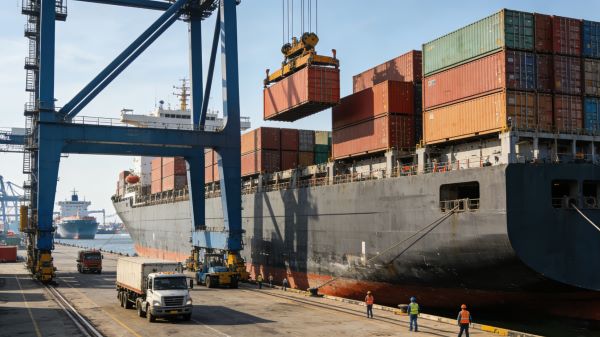
Targeted Inspections: Mexican customs officials use risk assessment tools to determine which shipments require physical inspections. High-risk cargo, such as electronics, pharmaceuticals, and high-value goods, are more likely to be inspected to prevent theft and smuggling.
Collaboration with International Bodies: Mexico works closely with international organizations such as the World Customs Organization (WCO) and Interpol to share security intelligence and combat transnational security threats. This collaboration helps identify suspicious shipments and prevent illegal activity.
Port Security Personnel: All Mexican ports employ trained security personnel who monitor access to port facilities, conduct regular patrols, and use surveillance technology such as CCTV cameras to ensure the security of cargo and port infrastructure.
What Is a Bonded Warehouse, and Why Is It Important for China-Mexico Sea Shipping?
A bonded warehouse is a secure storage facility authorized by customs authorities where imported goods can be stored, processed, or repackaged without paying customs duties or taxes until they are cleared for entry into the local market or re-exported. For China-Mexico sea shipping, bonded warehouses play a critical role in optimizing supply chain efficiency and reducing costs.
Given the growth in China-Mexico trade, bonded warehouses have become an essential tool for forwarders looking to manage inventory, reduce lead times, and navigate Mexico’s complex customs regulations. According to UNCTAD’s 2025 Review of Maritime Transport, the average voyage length for global maritime trade increased to 5,312 miles in 2025, making efficient warehousing solutions even more important for long-haul routes like Shipping from China to Mexico.
Forwarders should note that bonded warehouses in Mexico are regulated by SAT, and only authorized facilities can operate as bonded warehouses. These facilities must meet strict security standards, including 24/7 surveillance, controlled access, and detailed inventory tracking systems to ensure that goods are not tampered with or diverted.
The recommended approach is to partner with a bonded warehouse that has experience handling cargo from China and a proven track record of compliance with Mexican regulations. This helps ensure that goods are stored securely and that customs procedures are handled efficiently, reducing the risk of delays and additional costs.
How to Choose and Work with a Reliable Bonded Warehouse in Mexico?
Choosing and working with a reliable bonded warehouse in Mexico involves evaluating the facility’s location, security measures, inventory management capabilities, and compliance record to ensure that it meets the specific needs of forwarders and their clients.
Evaluate Location: Select a bonded warehouse that is strategically located near major Mexican ports (such as Manzanillo or Lazaro Cardenas) or key inland distribution centers. This reduces transportation costs and lead times, as goods can be quickly transferred from the port to the warehouse and then to final destinations.
Verify Security Measures: Ensure that the warehouse has robust security measures in place, including 24/7 surveillance, controlled access, tamper-evident storage, and trained security personnel. The facility should also have a comprehensive security plan that aligns with Mexican regulations and international standards.
Assess Inventory Management Capabilities: Choose a warehouse with advanced inventory management systems that allow for real-time tracking of goods. This includes digital inventory records, barcode scanning, and regular stock audits to ensure accuracy and prevent loss or theft.
Check Compliance Record: Verify that the warehouse is authorized by SAT and has a clean compliance record. This includes checking for any past violations or penalties related to customs regulations, security, or inventory management.
Negotiate Clear Terms: Establish clear terms with the warehouse regarding storage fees, handling charges, and liability for lost or damaged goods. This helps avoid disputes and ensures that both parties understand their responsibilities.
A common mistake is choosing a bonded warehouse based solely on cost, rather than considering factors such as security, location, and compliance. This can lead to delays, cargo loss, or penalties for non-compliance, which are far more costly in the long run. Forwarders should prioritize reliability and compliance when selecting a bonded warehouse partner.
What Are the Key Compliance Considerations for Bonded Warehouse Operations in Mexico?
Key compliance considerations for bonded warehouse operations in Mexico include adhering to SAT regulations, maintaining accurate inventory records, and ensuring that goods are properly declared and cleared through customs to avoid penalties and delays.
SAT requires bonded warehouses to maintain detailed records of all goods stored, including the date of arrival, the type and quantity of goods, the shipper and consignee information, and the status of the goods (e.g., stored, cleared, re-exported). These records must be kept for at least five years and made available to SAT officials upon request.
Forwarders should note that any discrepancies between the inventory records and the actual goods stored in the warehouse can result in penalties, including fines and the suspension of the warehouse’s authorization. To avoid this, it is important to work with a warehouse that has a robust inventory management system and conducts regular stock audits.
Proper Declaration of Goods: Ensure that all goods stored in the bonded warehouse are properly declared to SAT, including accurate descriptions, quantities, and values. Misdeclaration of goods is a common compliance violation that can lead to fines and delays.
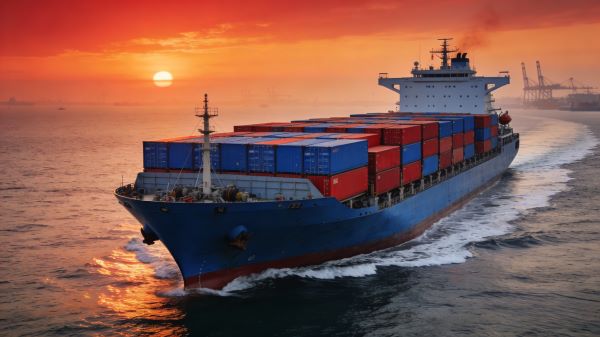
Timely Clearance of Goods: Goods stored in a bonded warehouse must be cleared through customs within the specified time frame (usually 90 days, but extendable in some cases). Failure to clear goods on time can result in additional fees and the seizure of goods by SAT.
Compliance with Export Regulations: If goods are re-exported from the bonded warehouse to another country, ensure that all export regulations are followed, including the submission of the necessary documents and compliance with any trade restrictions.
How to Mitigate Common Risks in Security and Bonded Warehouse Operations for China-Mexico Sea Routes?
Mitigating common risks involves implementing proactive security measures, choosing reliable partners, and staying updated on regulatory changes to ensure that operations remain compliant and efficient for Shipping from China to Mexico.
Cargo Theft: A Top Risk and Mitigation Strategies
One of the most common risks in China-Mexico sea shipping is cargo theft, which can occur during transit or while stored in a warehouse. According to data from the Mexican Association of Private Security (AMSP), cargo theft incidents in Mexico increased by 8.7% in 2024, with high-value goods such as electronics, automotive parts, and consumer goods being targeted most frequently.
To mitigate this risk, forwarders should use secure packaging, tamper-evident seals, and partner with reputable carriers and bonded warehouses. Additionally, utilizing GPS tracking for containers can provide real-time visibility into cargo location, enabling quick response to any suspicious activity.
Non-Compliance Risks and Prevention
Another common risk is non-compliance with customs regulations, which can lead to delays, fines, and the seizure of goods. The recommended approach is to stay updated on changes to Chinese and Mexican customs regulations, work with experienced customs brokers, and ensure that all documents are accurate and complete.
Invest in Cargo Insurance: Purchase comprehensive cargo insurance that covers theft, damage, and loss during transit and storage. This provides financial protection in the event of unforeseen incidents and is often required by clients.
Establish Emergency Protocols: Develop emergency protocols for security incidents, such as theft, tampering, or natural disasters. This includes procedures for reporting incidents, notifying relevant authorities, and minimizing losses.
Stay Updated on Regulatory Changes: Regularly monitor changes to Chinese and Mexican security and customs regulations, as well as international standards such as the ISPS Code. This helps ensure that operations remain compliant and avoids costly penalties.
Build Strong Partnerships: Develop long-term partnerships with reliable carriers, customs brokers, and bonded warehouses that have experience in China-Mexico sea shipping. These partners can provide valuable insights and support, helping to mitigate risks and improve operational efficiency.
In conclusion, effective security protocols and bonded warehouse operations are essential for forwarders navigating Shipping from China to Mexico. By implementing rigorous security measures, choosing reliable partners, and staying compliant with regulatory requirements, forwarders can ensure smooth cargo flow, reduce risks, and meet the growing demand for efficient China-Mexico sea shipping services. As bilateral trade continues to expand, prioritizing security and compliance will be key to success in this dynamic route.
Last
The Forwarder's Handbook: Managing FCL Transit Time on the Ningbo to UK Route
For global freight forwarders, effectively managing Transit Time for FCL from Ningbo to UK is a cornerstone of delivering reliable
Next
A Forwarder's Checklist for Ocean Shipments from China to Mexican Ports
For global freight forwarders managing Shipping from China to Mexico, a comprehensive checklist is essential to ensure smooth oper

