




For global freight forwarders managing Shipping from China to Mexico, a comprehensive checklist is essential to ensure smooth operations, compliance with regulations, and client satisfaction amid growing bilateral trade and evolving port requirements.
What Is a Forwarder’s Checklist for Ocean Shipments from China to Mexican Ports?
A forwarder’s checklist for ocean shipments from China to Mexican ports is a structured guide covering pre-shipment, in-transit, and post-arrival tasks to mitigate risks, ensure compliance, and streamline the entire shipping process.
This checklist is tailored to address the unique challenges of Shipping from China to Mexico, including complex customs procedures, port-specific requirements, and the need for seamless coordination between Chinese exporters and Mexican importers.
It serves as a proactive tool to avoid delays, errors, and additional costs that often arise in cross-border ocean shipping. According to UNCTAD 2025 Q3 data, the average delay for ocean shipments from China to Mexico due to administrative errors or missing documentation is 4.5 days, highlighting the value of a well-executed checklist to minimize disruptions.
Why Is a Checklist Critical for Forwarders Handling Shipping from China to Mexico?
A checklist is critical for forwarders handling Shipping from China to Mexico because it reduces human error, ensures compliance with both Chinese and Mexican regulations, and enhances operational efficiency in a high-volume, high-stakes trade route.
The China-Mexico trade route has seen significant growth, with bilateral trade volume reaching $142.8 billion in 2024, according to Mexico’s central bank (BANXICO) 2025 preliminary data. As shipment volumes increase, the margin for error decreases, making a structured checklist a necessary tool for consistent performance.
Forwarders should note that Mexican customs, managed by the Tax Administration Service (SAT), is known for strict documentation and inspection standards. A 2024 Q4 SAT report indicated that 1,810 shipments were inspected and $586 million worth of goods were seized in the second half of the year, often due to non-compliant documentation—a risk a checklist helps mitigate.
A common mistake is relying on ad-hoc processes instead of a standardized checklist. This often leads to missed steps, such as incomplete cargo declarations or inadequate packaging, which can result in fines, delays, or even cargo seizure.
What Pre-Shipment Tasks Should Be Included in the Checklist for Shipping from China to Mexico?
Pre-shipment tasks in the checklist focus on documentation, cargo preparation, and carrier selection—all critical to ensuring a smooth start to Shipping from China to Mexico.
Verify Documentation Completeness: Ensure all required documents are accurate and complete, including commercial invoice, packing list, bill of lading (B/L), certificate of origin (CO), and any product-specific certifications (e.g., for electronics or food items). Double-check that the B/L matches the packing list and commercial invoice to avoid customs discrepancies.
Confirm Cargo Compliance with Mexican Regulations: Research and confirm that the cargo meets Mexican import requirements, including restricted or prohibited items. For example, certain electronics require approval from Mexico’s Federal Telecommunications Institute (IFT), while food products need clearance from the Federal Commission for the Protection against Sanitary Risks (COFEPRIS).
Select a Reliable Carrier: Choose a carrier with established routes and a strong track record for Shipping from China to Mexico. According to Container Trades Statistics (CTS) 2025 Q1 data, carriers like MSC, COSCO Shipping, ONE, and HMM have expanded their direct routes between China and Mexico, offering more stable services than smaller carriers.
Prepare Cargo for Transit: Use appropriate packaging to protect cargo during the long sea voyage (typically 22–32 days for FCL shipments, per 2025 industry data from Drewry). For high-value or fragile goods, consider additional security measures such as tamper-evident seals and GPS tracking devices.
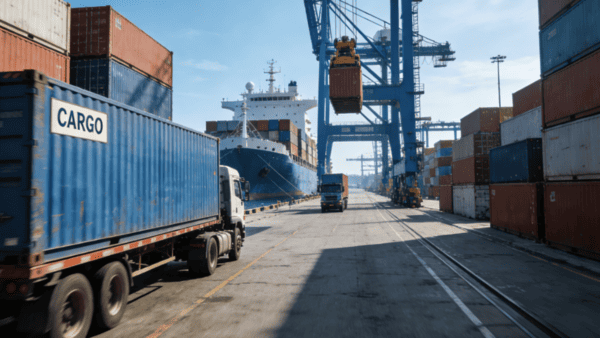
Submit Advanced Cargo Information (ACI): Comply with SAT’s requirement to submit ACI at least 24 hours before the vessel’s arrival in Mexican ports. This includes detailed cargo information, shipper and consignee details, and container specifications to facilitate customs pre-inspection.
The recommended approach is to create a digital checklist with automated reminders for each pre-shipment task, ensuring no steps are missed. This is particularly useful for forwarders managing multiple shipments simultaneously, as it streamlines workflow and reduces the risk of human error.
What In-Transit Monitoring Tasks Are Essential for Shipping from China to Mexico?
In-transit monitoring tasks are essential to track cargo status, address potential issues promptly, and keep clients informed throughout the Shipping from China to Mexico process.
Track Cargo in Real Time: Use the carrier’s tracking system or third-party logistics (3PL) tools to monitor the container’s location and status (e.g., at sea, in port, or in transit to the final destination). Real-time tracking helps identify delays early and allows for proactive communication with clients.
Monitor Port Congestion Updates: Stay updated on congestion levels at key Chinese and Mexican ports. According to Manzanillo Port Authority’s 2025 Q3 operational data, average berthing delays increased by 7.2% in Q3 2025, so adjusting transit expectations and notifying clients of potential delays is important.
Coordinate with Local Mexican Agents: Maintain regular communication with local agents in Mexico to ensure they are prepared to handle the cargo upon arrival. This includes confirming that the agent has all necessary documentation and is ready to assist with customs clearance.
Address Unexpected Disruptions: Develop a contingency plan for common in-transit issues, such as vessel delays, port strikes, or weather-related disruptions. For example, identify alternative ports (e.g., Lazaro Cardenas as an alternative to Manzanillo) to avoid prolonged delays.
Forwarders should note that client communication is a key part of in-transit monitoring. Providing regular updates—even when there are no issues—builds trust and helps manage client expectations, which is crucial for retaining business in the competitive China-Mexico freight market.
What Post-Arrival Tasks Must Be Completed for Shipments to Mexican Ports?
Post-arrival tasks focus on customs clearance, cargo delivery, and documentation finalization to ensure the cargo reaches the consignee smoothly after Shipping from China to Mexico.
Assist with Customs Clearance: Work with the local Mexican agent and customs broker to ensure timely clearance. Provide any additional documentation requested by SAT, such as proof of payment of duties or additional product certifications, to avoid delays.
Verify Cargo Condition Upon Arrival: Confirm that the cargo has arrived in good condition, without damage or tampering. If damage is found, document it immediately with photos and notify the carrier and insurance provider to initiate a claim.
Coordinate Last-Mile Delivery: Arrange for the cargo to be transported from the Mexican port to the consignee’s location. This may involve coordinating with local trucking companies, especially for inland destinations like Mexico City or Guadalajara.
Finalize Documentation: Ensure all post-arrival documents, such as delivery orders (DO), delivery receipts, and customs clearance certificates, are completed and filed. These documents are essential for client records and may be required for future shipments or audits.
Follow Up with the Consignee: Contact the consignee to confirm successful delivery and address any post-delivery concerns. This follow-up is a key part of client service and can help identify areas for improvement in future shipments.
A common mistake is neglecting post-arrival follow-up, which can lead to unresolved issues and client dissatisfaction. The recommended approach is to schedule a follow-up call or email within 24 hours of delivery to ensure everything went smoothly.
How to Adapt the Checklist for Different Cargo Types in Shipping from China to Mexico?
Adapting the checklist for different cargo types ensures that specific requirements are met, as different goods have unique regulations and handling needs for Shipping from China to Mexico.
High-Value Cargo (e.g., Electronics, Luxury Goods)
For high-value cargo, add tasks such as arranging comprehensive cargo insurance (covering theft, damage, and loss) and using high-security seals. According to Freightos Baltic Index (FBX) 2025 Q2 data, high-value cargo is 32% more likely to be targeted for theft during transit, making these additional steps critical.
Perishable Cargo (e.g., Food, Pharmaceuticals)
For perishable cargo, include tasks such as verifying temperature control throughout transit, ensuring compliance with COFEPRIS regulations, and scheduling expedited customs clearance to minimize transit time. Perishable cargo typically requires a transit time of 18–25 days, so close monitoring is essential to prevent spoilage.

Hazardous Cargo (e.g., Chemicals, Batteries)
For hazardous cargo, add tasks such as obtaining the necessary hazardous materials (HAZMAT) certifications, labeling the container in accordance with IMO guidelines, and ensuring the carrier is authorized to transport hazardous goods. Mexican regulations for hazardous cargo are strict, and non-compliance can result in significant fines.
What Common Pitfalls Should Forwarders Avoid When Using the Checklist?
Avoiding common pitfalls ensures the checklist is effective and does not become a perfunctory task, which is crucial for maintaining efficiency and compliance in Shipping from China to Mexico.
Outdated Checklist Content: Regularly update the checklist to reflect changes in regulations, port requirements, and industry best practices. For example, SAT updated its ACI requirements in January 2025, so a checklist that does not include these updates could lead to non-compliance.
Overlooking Minor Details: Small oversights, such as typos in documentation or incorrect container numbers, can lead to major delays. The recommended approach is to assign a second team member to review the checklist and documentation to catch these errors.
Ignoring Client-Specific Requirements: Tailor the checklist to meet the unique needs of each client, such as specific delivery timelines or packaging requirements. A one-size-fits-all checklist may not address client-specific concerns, leading to dissatisfaction.
Failure to Train Staff: Ensure all team members are trained on how to use the checklist effectively. Untrained staff may skip steps or misunderstand requirements, reducing the checklist’s effectiveness and increasing the risk of errors.
Forwarders should note that the checklist is a living document that should be refined based on past experiences. For example, if a shipment was delayed due to a missing certificate of origin, add a specific reminder for this document in the pre-shipment section.
In conclusion, a well-structured checklist is an indispensable tool for global forwarders managing Shipping from China to Mexico. By covering pre-shipment, in-transit, and post-arrival tasks, adapting to different cargo types, and avoiding common pitfalls, forwarders can minimize risks, ensure compliance, and deliver consistent, reliable service to their clients.
As the China-Mexico trade route continues to grow—with container volumes expected to rise by 12% in 2026, according to UNCTAD’s 2025 Q3 forecast—using a comprehensive checklist will be key to staying competitive and building long-term client relationships in Shipping from China to Mexico.

Last
Security Protocols and Bonded Warehouse Operations for China-Mexico Sea Routes
Shipping from China to Mexico has become an increasingly vital link in global supply chains, with rising trade volumes driving the

Next
Analyzing Seasonal Fluctuations in Transit Time for FCL Moving from Ningbo to UK
For global freight forwarders, understanding the seasonal fluctuations in Transit Time for FCL from Ningbo to UK is crucial for op

