




Digital transformation has revolutionized how global freight forwarders manage Shipping from China to India, with advanced tracking and visibility tools becoming essential for streamlining operations and meeting client expectations.
What Is Shipment Tracking and Visibility for Shipping from China to India?
Shipment tracking and visibility for Shipping from China to India refer to the digital tools and processes that allow forwarders to monitor cargo location, status, and movement throughout the entire maritime journey, from Chinese ports to Indian destinations.
This visibility goes beyond basic location updates; it includes real-time data on vessel position, port arrival/departure times, customs clearance progress, and even environmental conditions for sensitive cargo. It bridges the “information gap” that has long plagued international shipping, particularly on routes with complex logistics like China to India.
According to UNCTAD 2025 Q2 data, forwarders using advanced visibility tools reduce cargo delay-related disputes by 42% compared to those relying on traditional communication methods. This highlights the practical value of tracking solutions for Shipping from China to India.
Forwarders should note that modern tracking and visibility are not just “nice-to-have” features—they have become a core expectation for clients, who increasingly demand transparency into their shipments’ every step.
Why Is Digital Tracking Critical for Shipping from China to India?
Digital tracking is critical for Shipping from China to India because it addresses unique challenges of the route, including long transit times, port congestion, and fragmented logistics, while improving client trust and operational efficiency.
How Does Tracking Solve Route-Specific Challenges?
The China-India sea route faces distinct hurdles, such as inconsistent port efficiency between Chinese and Indian ports and frequent delays from monsoon weather. Digital tracking provides real-time alerts for these issues, allowing forwarders to proactively adjust plans.
For example, Indian ports like Nhava Sheva often experience congestion during peak seasons, and tracking tools can notify forwarders of berthing delays 24 to 48 hours in advance. This advance warning enables forwarders to inform clients and adjust delivery timelines, reducing dissatisfaction.
What Impact Does Visibility Have on Client Relationships?
Clients working with forwarders for Shipping from China to India increasingly prioritize transparency. A 2025 industry survey by the International Federation of Freight Forwarders Associations (FIATA) found that 78% of clients would switch forwarders if they lack real-time shipment visibility.
A common mistake is assuming clients only care about cost and on-time delivery; in reality, the ability to track shipments and receive timely updates often weighs equally heavily in their decision-making. Forwarders that fail to offer this visibility risk losing clients to competitors with more advanced digital capabilities.
What Technologies Power Tracking and Visibility for China-India Shipments?
Tracking and visibility for Shipping from China to India are powered by a combination of digital technologies, including IoT sensors, cloud-based platforms, API integrations, and blockchain, each serving a unique role in enhancing transparency.
IoT Sensors: IoT (Internet of Things) sensors are attached to containers or cargo to collect real-time data, such as location, temperature, humidity, and vibration. For sensitive cargo like electronics or pharmaceuticals, these sensors provide alerts if conditions deviate from acceptable ranges, preventing damage.
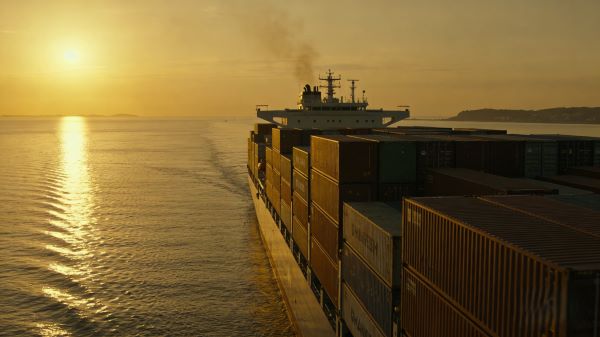
Cloud-Based Tracking Platforms: Cloud platforms centralize data from multiple sources—carriers, ports, and customs—allowing forwarders to access shipment information from any device. Platforms like Shanghai International Container Transport Service Platform integrate blockchain to ensure data security and real-time updates.
API Integrations: Application Programming Interfaces (APIs) connect forwarders’ systems with carriers, ports, and customs databases. This integration eliminates manual data entry and ensures seamless information flow, such as real-time vessel schedules from carriers or customs clearance status from Indian authorities.
Blockchain Technology: Blockchain provides immutable records of shipment data, reducing the risk of fraud and errors. It is particularly useful for verifying documentation, such as bills of lading (B/L), and ensuring all parties (forwarders, carriers, clients) have access to the same accurate information.
The recommended approach is to adopt a combination of these technologies, tailored to the types of cargo being shipped. For example, temperature-sensitive cargo may require IoT sensors, while high-value shipments could benefit from blockchain’s security features.
What Key Features Should Forwarders Look for in Tracking Tools for China-India Shipments?
Forwarders should look for tracking tools with features that address the specific needs of Shipping from China to India, including real-time updates, multi-party access, alert systems, and integration capabilities with existing workflows.
Real-Time Location Tracking: The tool should provide live updates on cargo location, including vessel position, port berthing status, and inland transport progress. This is often powered by GPS or Beidou satellite positioning for accuracy.
Customs Clearance Visibility: Given India’s complex customs processes, the tool should display real-time customs status, such as whether documents have been verified, duties have been paid, or inspections are required. This helps forwarders address delays quickly.
Customizable Alerts: Alerts for key events—such as vessel departure, port arrival, customs clearance, or abnormal delays—should be customizable and sent via email or mobile app. This ensures forwarders and clients stay informed without constant manual checks.
Multi-Party Access: The tool should allow secure access for forwarders, clients, and carriers, ensuring all stakeholders have consistent, up-to-date information. This reduces miscommunication and streamlines collaboration.
Data Analytics: Built-in analytics help forwarders identify trends, such as frequent delays at specific ports or carriers with inconsistent performance. This data can be used to optimize future shipments for Shipping from China to India.
Forwarders should note that not all tracking tools are equal; those designed specifically for the China-India route often include features tailored to regional challenges, such as integration with Indian customs systems or alerts for monsoon-related delays.
How Can Forwarders Implement Effective Tracking Systems for China-India Shipments?
Forwarders can implement effective tracking systems for Shipping from China to India by following a structured approach that includes assessing needs, selecting the right tools, training teams, and integrating with partners.
Assess Specific Business Needs: Start by evaluating the types of cargo handled (e.g., sensitive, high-value), client expectations, and common pain points (e.g., customs delays, port congestion). This helps identify which tracking features are most critical.
Select Compatible Tools: Choose tools that integrate with existing systems (e.g., CRM, logistics management software) to avoid workflow disruptions. Look for providers with experience in the China-India route, as they understand regional logistics nuances.
Train Teams on Tool Usage: Ensure all staff members are trained to use the tracking system effectively, including how to access data, interpret alerts, and troubleshoot issues. A common mistake is investing in tools without providing proper training, leading to underutilization.
Integrate with Carriers and Ports: Work with carriers and ports to ensure their data feeds into the tracking system. For example, connect with Shanghai Port’s digital platform or India’s major ports to receive real-time berthing and unloading updates.
Collect Client Feedback: Regularly ask clients for feedback on the tracking experience, such as whether updates are timely and information is clear. Use this feedback to refine the system and improve client satisfaction.
The recommended approach is to start with a pilot program, testing the tracking system with a small number of shipments before full implementation. This allows forwarders to identify and resolve issues without disrupting all operations.
What Challenges Do Forwarders Face with Tracking for China-India Shipments?
Forwarders face several challenges when implementing tracking and visibility for Shipping from China to India, including data fragmentation, varying technology adoption across ports, and cost considerations.
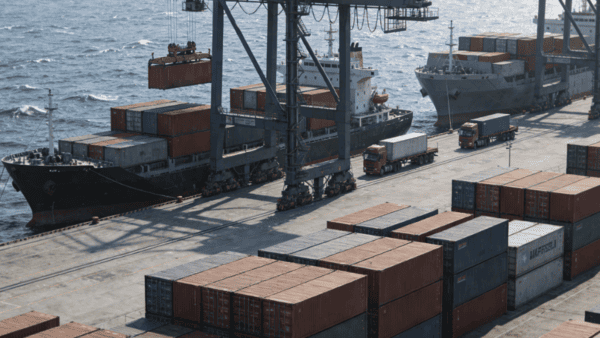
How to Address Data Fragmentation?
Data fragmentation—where information is spread across multiple systems (carriers, ports, customs)—is a major challenge. Different stakeholders often use incompatible systems, leading to delayed or inconsistent data.
To address this, forwarders can use API integrations to connect these systems, creating a single source of truth. Additionally, partnering with local Indian agents who have access to regional port and customs data can help fill information gaps.
How to Navigate Varying Technology Adoption?
Technology adoption varies significantly between Chinese and Indian ports. Chinese ports like Shanghai and Shenzhen have advanced digital platforms, while some smaller Indian ports still rely on manual processes, limiting real-time data availability.
Forwarders can mitigate this by prioritizing shipments through major Indian ports (e.g., Nhava Sheva, Mundra) with better digital infrastructure. For shipments to smaller ports, using local data collectors or agents can help provide updates when digital tracking is unavailable.
How to Manage Implementation Costs?
Implementing advanced tracking systems can be costly, especially for small to medium-sized forwarders. However, the cost is often offset by reduced delays, fewer disputes, and improved client retention.
The recommended approach is to start with essential features and scale gradually. For example, begin with basic location tracking and add IoT sensors or blockchain integration as business needs grow. Many providers offer flexible pricing models tailored to forwarders’ shipment volumes.
How Can Tracking and Visibility Improve Compliance for China-India Shipments?
Tracking and visibility tools improve compliance for Shipping from China to India by providing transparent records of cargo movement, ensuring adherence to both Chinese and Indian customs regulations and trade requirements.
These tools automatically record key compliance-related data, such as shipment departure/arrival times, documentation submissions, and duty payments. This creates an audit trail that can be easily accessed if customs authorities request verification.
According to China’s General Administration of Customs (GAC) 2025 Q2 data, forwarders using digital tracking systems have a 35% lower rate of compliance violations compared to those using manual processes. This is because tracking tools reduce human error and ensure all documentation and processes are aligned with regulations.
Forwarders should note that compliance is a top priority for both Chinese and Indian authorities, and failure to maintain accurate records can result in fines or shipment delays. Tracking tools simplify compliance by centralizing all necessary data in one accessible location.
In conclusion, digital transformation—specifically advanced tracking and visibility tools—has become indispensable for forwarders managing Shipping from China to India. These tools address route-specific challenges, improve client trust, streamline operations, and enhance compliance, giving forwarders a competitive edge in a rapidly evolving market.
As China-India trade continues to grow—with UN Comtrade 2025 preliminary data showing bilateral trade reached $142.3 billion in 2024—the demand for transparent, efficient shipping services will only increase. By embracing digital tracking and visibility, forwarders can meet this demand, reduce operational friction, and build long-term success in the dynamic landscape of Shipping from China to India.
Last
Optimizing Sea Freight Costs from China to Indian Ports
For global freight forwarders, optimizing sea freight costs for Shipping from China to India is a key priority, as it directly imp
Next
Risk Management Strategies for Sea Freight from China to Canada
Sea freight from China to Canada is a critical trade route connecting two major economies, but it is accompanied by various risks

