



Shipping from Ningbo to Busan serves as a core intra-Asia short-sea shipping trunk line for global liner carriers. It helps shipping enterprises optimize regional capacity allocation, improve container inventory turnover efficiency and strengthen transshipment network connectivity across the entire Northeast Asia shipping market throughout 2025 and 2026. International freight forwarders cooperating with mainstream liner companies need to fully grasp carrier-side operational strategies, so as to secure stable container space quota, fixed transit lead times and sustainable long-term freight partnership on this key regional trade lane.
What core network status does Ningbo to Busan sea freight hold for global liners?
This short-sea trade lane functions as a vital regional feeder and mainline linkage hub, connecting China’s largest container throughput port with South Korea’s core transshipment terminal for global liner route layout deployment.
Global shipping carriers adopt a mature hub-and-spoke network model to design Asia regional shipping routes. The Ningbo-Busan shipping corridor acts as a key transit node linking Chinese manufacturing cargo origins with Busan’s intercontinental deep-sea redistribution terminals. According to UNCTAD 2025 regional short-sea shipping network statistics, intra-Asia feeder routes undertake over 42% of total intercontinental container transshipment volume handled by Northeast Asian hub ports. Forwarders should note that carriers prioritize route operation stability and sustained cargo volume consistency, rather than short-term spot freight revenue, when operating this strategic short-sea passage.
Why do global carriers deploy fixed long-term capacity on this trade lane?
Stable two-way cargo flow between Ningbo and Busan allows global carriers to boost vessel capacity utilization and reduce idle capacity losses in their Northeast Asia regional fleets.
Ningbo-Zhoushan Port sustains large-scale and stable container and general cargo export volume, while Busan Port provides efficient transshipment and redistribution services for global deep-sea routes, forming a balanced two-way cargo transportation structure for liners. According to the official 2026 quarterly throughput report released by Ningbo-Zhoushan Port, the port maintains steady container export growth for both regional short-sea and intercontinental deep-sea shipping businesses. The recommended approach is for forwarders to sign quarterly contracted capacity agreements, instead of relying on fluctuating spot market bookings, to guarantee long-term client service stability.
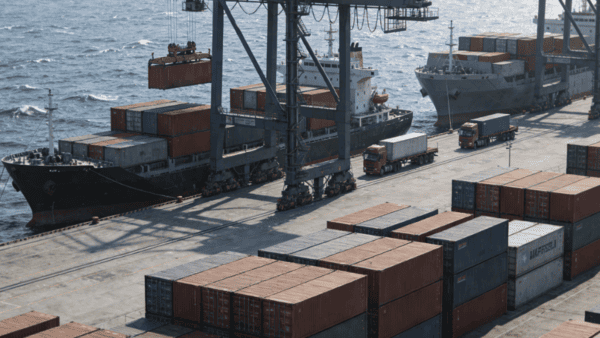
What operational advantages do short-sea loops of Ningbo to Busan bring to carriers?
Regular cyclic short-sea shipping operations on this route enable global carriers to optimize fleet rotation cycles, standardize terminal berth arrangements and lift overall regional shipping operational efficiency.
Optimize vessel fleet rotation and voyage cycle management: The short voyage distance between Ningbo and Busan allows carriers to deploy small and medium-sized regional vessels for high-frequency cyclic operations. This mode accelerates fleet turnover and improves annual vessel asset utilization efficiency. A common mistake is that forwarders assume carriers can add unlimited temporary sailings during peak shipping seasons, while fleet deployment follows fixed long-term rotation planning.
Stabilize terminal berth scheduling and port call arrangement management: Both Ningbo-Zhoushan Port and Busan Port are equipped with automated container terminals and standardized berth allocation systems. These facilities simplify carrier port call planning and effectively reduce vessel anchorage waiting time. Forwarders should note that the fixed weekly port call slots set by carriers directly determine cargo cutoff deadlines and final shipment delivery schedules.
Improve intercontinental transshipment connection coordination efficiency: Busan Port has a complete transshipment operation system. Containers shipped from Ningbo can be quickly transferred to deep-sea liner vessels sailing to Europe, North America and Southeast Asia. The recommended approach is for forwarders to align client shipment delivery time with carrier transshipment connection windows to avoid container missed connections.
Reduce regional fleet operation and bunker fuel cost pressure: Short intra-Asia voyages effectively cut down carriers’ overall bunker fuel consumption and fleet daily maintenance expenditure. This cost control foundation supports stable and reasonable regional freight rate levels for forwarders and cargo shippers. Stable cost structures avoid sharp freight volatility and facilitate long-term enterprise logistics budgeting.
How does steady cargo volume support carriers’ long-term route planning layout?
Continuous and diversified cargo shipment demands from manufacturing, industrial supporting and retail industries form predictable market demand. This stable demand supports global carriers’ multi-year route optimization and capacity expansion strategic planning.
Which core cargo categories maintain carrier capacity full-load operation?
Industrial intermediate parts, electronic manufacturing components and conventional export consumer goods are the core cargo types. These commodities sustain stable vessel loading rates for the Ningbo to Busan shipping route all year round. According to UN Comtrade 2025 bilateral trade monitoring data, manufacturing-related industrial cargo accounts for more than 65% of total seaborne cargo volume transported between the two ports.
Why is predictable cargo demand more important than temporary peak cargo surges?
Carriers focus on annual average stable cargo volume performance rather than irregular seasonal cargo surges. Stable and measurable market demand supports accurate fleet capacity planning and avoids overcapacity or capacity shortage operational risks. Balanced and sustained cargo flow helps carriers maintain route profitability and long-term shipping network investment confidence.
What capacity and freight data trends affect forwarder-carrier cooperation strategies?
The latest regional shipping capacity deployment and freight rate fluctuation data directly affects forwarders’ contract negotiation logic, booking arrangement plans and end-customer service quality control standards.
What is the current capacity deployment status of Ningbo to Busan route?
According to Drewry 2026 Q1 intra-Asia shipping capacity monitoring data, mainstream global carriers operate over 18 scheduled weekly sailings on the Ningbo-Busan trade lane. The overall capacity deployment remains stable without large-scale capacity reduction or expansion adjustments in the short term. Sufficient and stable capacity supply ensures forwarders can obtain reliable booking space in both conventional and peak shipping periods.
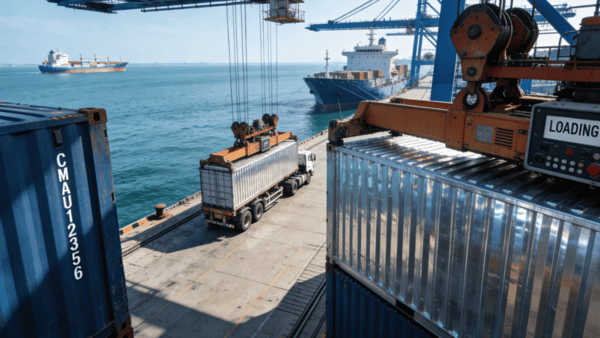
What is the recent fluctuation trend of contracted freight rates for this route?
According to Freightos Baltic Index (FBX) 2026 Q1 short-sea freight rate data, both FCL and LCL freight rates for Ningbo to Busan present gentle periodic fluctuations without extreme market volatility. This trend reflects effective carrier cost control and balanced market supply and demand. Stable freight trends help forwarders provide clients with predictable long-term logistics cost budgeting plans.
What key cooperation mistakes between forwarders and carriers need to be avoided?
Improper daily cooperation behaviors between forwarders and global carriers easily cause shipment delays, additional miscellaneous charges and service instability on the Ningbo to Busan shipping route.
Over-rely on temporary spot bookings instead of long-term contracted space: Excessive dependence on short-term spot market bookings will increase the risk of space unavailability and sudden freight hikes in peak seasons. A common mistake is ignoring long-term contract signing and only focusing on the cost difference of single temporary shipments.
Fail to align cargo cutoff time with carrier port call schedules: Late cargo delivery and document submission beyond carrier cutoff time will lead to vessel rollover and extra rearrangement fees. Forwarders should note that carriers’ fixed port call timetables are not adjustable and require strict operational compliance.
Submit inconsistent declaration data to interfere with carrier manifest filing: Frequent document amendments and data discrepancies will hinder carrier manifest submission and customs declaration procedures, resulting in overall shipment delays. The recommended approach is to confirm all cargo information and shipping documents before booking confirmation to reduce revision operations.
Ignore carrier’s seasonal capacity adjustment advance noticesCarriers will adjust sailing frequency and vessel deployment before traditional shipping peak seasons, requiring forwarders to adjust booking plans in advance. Ignoring official adjustment notices will lead to insufficient container space for client shipments.
How can forwarders build long-term stable strategic partnerships with global carriers?
Standardized and professional cooperation methods help forwarders deepen stable cooperative relations with global carriers. This cooperation mode ensures stable container space, priority loading rights and consistent service quality on Shipping from Ningbo to Busan.
Forwarders with sustained and stable shipment volume, strict compliance with carrier operational specifications and timely schedule communication can obtain preferential long-term contract terms and flexible standby space support. High-quality carrier partnerships help forwarders deliver reliable logistics services and enhance market competitiveness in the intra-Asia freight forwarding industry. A common mistake is treating carrier cooperation as a one-time transaction rather than building long-term strategic partnership value.
With stable capacity cooperation, standardized operational coordination and scientific freight cost management, global carriers and professional forwarders can jointly support smooth bilateral trade and efficient cargo transportation. Shipping from Ningbo to Busan will always be a core strategic short-sea route for global carriers to stabilize Northeast Asia shipping networks and promote long-term regional logistics development.
Last
Expediting Documentation for Sea Cargo Moving from Ningbo to Busan
Shipping from Ningbo to Busan depends on precise and timely documentary processing workflows to facilitate seamless export customs
Next
Managing High-Frequency Sea Freight from Ningbo to Busan
Shipping from Ningbo to Busan serves as a critical intra-Asia short-sea liner route, connecting Ningbo Zhoushan Port, China’s majo