




Shipping from Guangzhou to Dubai is a critical maritime trade artery connecting South China’s core manufacturing cluster to the Middle East’s leading logistics transit and commercial distribution hubs for global end-to-end supply chain operations. Professional international freight forwarders worldwide depend on stable, cost-efficient, and flexible multi-modal transport frameworks to manage diversified cargo tonnages, adjustable shipment schedules, and complex cross-border customs clearance procedures between these two vital regional container hubs. According to UNCTAD 2025 Review of Maritime Transport official statistics, Asia-Middle East container trade lanes have sustained consistent container throughput growth amid global supply chain regional restructuring, with Guangzhou and Dubai solidifying their status as key transit nodes for FCL, LCL, breakbulk, and project cargo within regional and global shipping networks. Forwarders should note that standalone ocean freight arrangements can no longer satisfy the varied delivery lead times and specialized cargo handling requirements of modern importers and exporters conducting trade between South China and the UAE market.
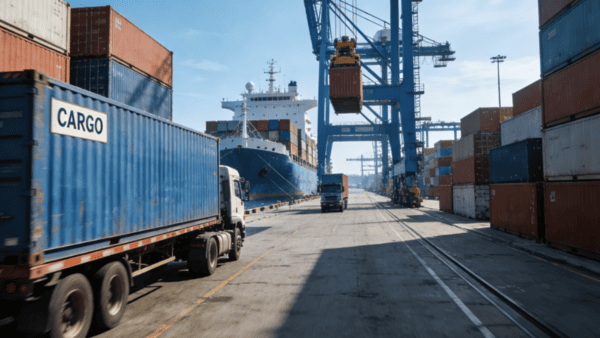
Why do global supply chains prioritize shipping from Guangzhou to Dubai?
Shipping from Guangzhou to Dubai underpins bilateral and multilateral commercial trade between China’s Pearl River Delta industrial manufacturing base and the UAE’s re-export ecosystem and regional consumer goods distribution markets. This core ocean freight lane integrates robust industrial production capacity across Guangdong Province with Dubai’s advanced port warehousing, inland distribution, and international transshipment infrastructure serving downstream markets in the Middle East, Africa, and Southern Europe. According to UN Comtrade 2024 full-year bilateral trade database records, China-UAE merchandise trade volume achieved a year-on-year increase of 7.2%, with mechanical and electrical equipment, electronic components, construction materials, and daily consumer goods accounting for the largest share of containerized cargo moved via this key shipping route.
Industrial and geographical complementarity drives sustained logistics demand
Strong geographical proximity and industrial complementarity between Guangzhou and Dubai generate long-term stable market demand for continuous maritime logistics collaboration. As a comprehensive core hub port in South China, Guangzhou Port provides full-process cargo loading, container stuffing, pre-shipment inspection, and warehousing services for both small-batch LCL consolidated shipments and large-scale heavy-lift project cargo. Dubai’s primary maritime terminals, including Jebel Ali Port and Port Rashid, operate mature terminal management systems, streamlined customs clearance protocols, and extensive inland hinterland transportation networks covering the entire UAE and all Gulf Cooperation Council member states. The recommended approach is for global freight forwarding firms to integrate long-term route planning for this shipping corridor into their core service portfolios to secure steady, recurring cross-border trade order volumes.
Supply chain regionalization elevates route strategic value
Beyond basic cargo movement requirements, the global trend of supply chain regionalization further strengthens the strategic importance of this established ocean freight lane. Multinational corporations have widely adjusted their global inventory allocation strategies, opting to store bulk raw materials and finished goods within Dubai’s bonded logistics zones for regional distribution instead of relying on long-distance intercontinental transshipment operations. A common mistake is for small and medium-sized forwarding agencies to disregard the long-term supply chain layout benefits of this route and focus solely on short-term spot ocean freight rate margins, which hinders their ability to build stable long-term client partnerships with manufacturing enterprises and regional wholesale distributors.
What core port advantages support multi-modal sea freight operations in Guangzhou?
Guangzhou Port features comprehensive terminal infrastructure, dense international liner shipping routes, and mature inland multi-modal transport connection systems to enable seamless end-to-end sea freight forwarding for shipping from Guangzhou to Dubai across all mainstream cargo types. As a pivotal hub within the Pearl River Delta port cluster, the port integrates river-sea intermodal transport, road-rail combined logistics, and container depot operation services to meet the diversified loading and final delivery requirements of global freight forwarders. According to Guangzhou Port Group 2025 official annual operational performance data, the port recorded total container throughput of 28.3 million TEU in 2025, with foreign trade container throughput achieving a year-on-year growth rate of 19.6%, demonstrating its robust cargo handling capacity and wide international shipping coverage.
Nansha Port Area serves as the core departure terminal for Dubai-bound cargo
Nansha Port Area, the key international container shipping operational zone of Guangzhou Port, functions as the primary loading terminal for most direct and transshipment ocean freight services sailing to Dubai. This port area is equipped with automated container handling gantry cranes, professional hazardous material storage depots, and dedicated reefer cargo storage facilities, covering the full handling demands of general container cargo, special project cargo, and temperature-sensitive perishable commodities. Guangzhou Port had launched 174 international foreign trade shipping routes by the end of Q1 2025, forming an extensive shipping network connecting Southeast Asia, the Middle East, Europe, and other major global trade regions, which delivers reliable route alternatives for multi-modal shipping from Guangzhou to Dubai.
River-sea intermodal transport coverage: Guangzhou Port connects inland river shipping channels throughout the Pearl River Basin with deep-sea international shipping lanes, allowing forwarders to consolidate cargo from inland regions of Guangdong, Guangxi, and Hunan at Guangzhou terminals before loading for Dubai, cutting inland road haulage costs and reducing overall cargo transit damage probabilities.
Full-spectrum cargo handling certification credentials: The port holds complete operational certifications for FCL container cargo, breakbulk general cargo, reefer temperature-controlled cargo, and heavy-lift project cargo operations, enabling forwarders to manage diverse client shipment needs without switching departure ports or arranging additional cross-port transshipment procedures.
Optimized pre-shipment customs clearance coordination: Local Guangzhou customs authorities have implemented simplified clearance policies for China-UAE bilateral trade cargoes, shortening pre-shipment document verification and physical cargo inspection cycles, which effectively improves the overall transit efficiency of Dubai-bound sea freight shipments.
Reliable container equipment inventory assurance: According to Drewry 2025 Global Container Equipment Supply Report, major South China ports including Guangzhou maintain adequate empty container inventory for Middle East trade lanes, preventing container shortages that commonly cause shipment postponements and additional equipment leasing surcharges for forwarders.
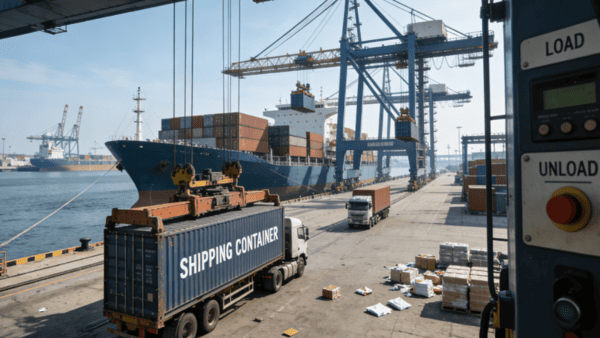
What key terminal strengths make Dubai ideal for sea freight destination distribution?
Dubai’s core maritime terminals deliver efficient cargo discharge operations, professional bonded warehousing management, and seamless inland and cross-border distribution services for all sea freight cargoes arriving from Guangzhou, forming a complete downstream logistics closed-loop supply chain. Jebel Ali Port, Dubai’s largest and most commercially influential maritime terminal, acts as the primary arrival hub for containerized and breakbulk cargo shipped from Guangzhou, equipped with advanced automated terminal operating systems and large-scale container stacking yards. According to Dubai Ports World (DP World) Q1 2025 official terminal operational data, Jebel Ali Port maintains stable container transshipment efficiency for Asia-Middle East trade lanes, with average vessel berthing and cargo discharge durations lower than most peer regional Middle Eastern ports.
Dubai free trade zones boost value-added logistics services
Bonded logistics parks and free trade zones adjacent to Dubai’s ports offer preferential tax incentives and flexible warehousing policies for imported cargo originating from China, enabling global forwarders to provide value-added services including cargo storage, repackaging, product labeling, and batch bulk distribution for their contracted clients. A large number of international trading enterprises choose to store goods shipped from Guangzhou within Dubai’s free trade zones before redistributing them to Saudi Arabia, Qatar, Kuwait, and other Gulf nations, as well as emerging African regional consumer markets. Forwarders should note that mastering Dubai free zone customs clearance regulations and bonded cargo storage policies can substantially enhance comprehensive service competitiveness for shipping from Guangzhou to Dubai business operations.
Integrated port and free zone logistics synergy mechanism: Dubai’s ports and adjacent free trade zones implement one-stop cargo discharge, warehousing, and re-export operational procedures, eliminating redundant cross-regional cargo transfer links and shortening the overall supply chain lead time for forwarders and their end clients.
Full-coverage regional distribution network layout: Port terminals connect with comprehensive road and highway transportation systems covering the entire UAE and neighboring Gulf regions, supporting fast door-to-door cargo delivery after sea freight arrives from Guangzhou without complicated cross-border transportation coordination processes.
Specialized non-standard cargo processing capabilities: Dubai ports are fitted with dedicated reefer cold chain storage, hazardous cargo handling facilities, and heavy-lift project cargo hoisting equipment, meeting the diverse handling requirements of all types of specialized sea freight cargo transported from Guangzhou.
Mature trade settlement and logistics supporting ecosystem: The logistics cluster surrounding Dubai ports hosts a large number of international freight forwarding, cargo insurance, and trade settlement institutions, facilitating forwarders to provide one-stop comprehensive logistics supporting services for China-UAE cross-border trade customers.
What main multi-modal sea freight modes are available from Guangzhou to Dubai?
Multi-modal shipping from Guangzhou to Dubai encompasses direct ocean freight, transshipment ocean freight, and sea-road intermodal transport solutions, each tailored to meet distinct client requirements for shipment lead time, freight cost control, and cargo shipment volume scale. Direct ocean freight services feature fixed liner voyage schedules and shortened transit times, suitable for time-sensitive FCL container cargo with strict delivery deadlines. Transshipment ocean freight options provide relatively lower freight rates, ideal for large-volume bulk cargo and clients with flexible delivery time arrangements. According to Freightos Baltic Index (FBX) April 2026 monthly container freight rate data, direct shipping lanes from Guangzhou to Dubai maintain moderate and stable freight rate fluctuations, while transshipment routes present obvious cost advantages during off-peak shipping seasons.
Sea-road intermodal transport supports full door-to-door logistics delivery
Sea-road multi-modal transport integrates ocean freight main trunk transportation with Dubai inland road distribution, realizing full door-to-door supply chain services from cargo pickup in Guangzhou to designated final destination delivery within the UAE. This transport mode is widely popular among small and medium-sized enterprise clients that do not have professional in-house cross-border logistics receiving teams. The recommended approach is for global forwarders to propose customized multi-modal transport combinations based on client cargo characteristics, budget constraints, and delivery lead time requirements, rather than promoting a single fixed shipping mode for all shipping from Guangzhou to Dubai orders indiscriminately.
Direct FCL container ocean freight transport mode: This mode adopts direct vessel booking arrangements from Guangzhou Nansha Port to Dubai Jebel Ali Port with no intermediate transshipment operations, featuring fast transit speed, low cargo damage risk, and simplified document processing procedures, suitable for high-value electronic products, urgent production order goods, and time-critical cross-border trade shipments.
Transshipment LCL consolidated ocean freight transport mode: Cargoes are first shipped from Guangzhou to Southeast Asian hub ports before being transshipped to Dubai, with lower overall logistics costs, suitable for large-volume low-value construction materials, daily necessities, and bulk consumer goods without stringent delivery time restrictions.
Sea-road door-to-door multi-modal combined mode: Forwarders undertake cargo pickup services from Guangzhou factories or private warehouses, complete full ocean freight transportation to Dubai, and cooperate with local road haulage teams to deliver cargo to designated UAE client addresses, reducing clients’ cross-border logistics operational burdens.
Sea-warehousing re-export multi-modal service mode: After sea freight cargo arrives in Dubai, goods are stored in local bonded warehouses for temporary custody, batch repackaging, and subsequent multi-destination distribution, catering to multinational enterprises’ regional inventory deployment and re-export trade business demands.
What core operational challenges do forwarders face in multi-modal sea freight arrangements?
Global forwarders providing shipping from Guangzhou to Dubai multi-modal logistics services commonly encounter practical operational challenges including ocean freight rate fluctuation management, cross-border document coordination, cargo transit connection scheduling, and customs clearance risk prevention. These operational pain points may easily cause shipment delays, additional logistics surcharges, and client dissatisfaction if not managed and controlled properly in advance. According to UNCTAD 2025 Global Maritime Logistics Risk Assessment Report, Asia-Middle East shipping lanes are affected by regional trade policy adjustments and seasonal shipping demand volatility, with periodic freight rate fluctuations and customs clearance policy updates becoming core factors impacting forwarding service operational stability.
Poor multi-modal link coordination raises overall logistics costs
Unreasonable multi-modal transport link connection scheduling is one of the primary causes of low-efficiency sea freight transportation and increased comprehensive logistics expenditure. Many forwarding enterprises only focus on arranging basic ocean freight vessel space booking work and neglect the coordination of inland cargo consolidation, port loading and unloading, and destination terminal pickup links, resulting in prolonged cargo waiting time and additional terminal storage detention fees. A common mistake is for forwarders to fail to reserve sufficient time buffers for multi-modal connection links, leading to shipment schedule delays when encountering minor port operational congestion or document review processing hold-ups.
Cyclic ocean freight rate fluctuation cost pressure: Shipping from Guangzhou to Dubai freight rates are affected by peak shipping seasons, container equipment supply and demand balance, and international bunker fuel price changes, requiring forwarders to lock long-term freight rates reasonably to avoid profit losses caused by sharp short-term rate hikes.
Complex cross-border document examination and approval procedures: China-UAE trade cargoes require multiple customs declaration, commodity inspection, and certification documents, and inconsistent document information will easily trigger customs clearance delays at departure or destination ports, affecting the overall shipment transportation progress.
Multi-modal link coordination and communication difficulties: Inland haulage, port loading, sea freight navigation, and destination unloading links involve multiple operational teams and institutions, and inadequate information communication will lead to cargo connection interruptions and extended transit lead times.
Regional customs clearance policy adjustment exposure risks: Dubai and UAE local customs clearance policies undergo occasional adjustment and iteration, and failure to timely capture policy change information will result in cargo detention and additional rectification costs for forwarders and their cooperative clients.
What practical optimization strategies help forwarders stabilize multi-modal shipping operations?
Global forwarders can implement targeted multi-modal operational optimization strategies to effectively resolve daily operational challenges and enhance the service stability and cost controllability of shipping from Guangzhou to Dubai sea freight business. Scientific route selection matching, long-term shipping line cooperation, standardized document management workflows, and real-time logistics cargo tracking are all core optimization measures to improve forwarding service quality and long-term customer loyalty. Reasonable optimization of multi-modal transport links can not only reduce unnecessary redundant logistics costs but also shorten overall cargo transit time and improve client satisfaction with long-term forwarding cooperative services.
Long-term shipping partnership consolidates service stability foundation
Establishing long-term cooperative partnerships with mainstream liner shipping companies and professional port operation agencies is a fundamental prerequisite for stabilizing multi-modal sea freight service quality. Long-term cooperation enables forwarders to obtain guaranteed vessel booking space, favorable long-term freight rate contracts, and priority cargo handling privileges at ports, avoiding shipment delays caused by peak season container space shortages. Forwarders should note that maintaining smooth communication and cooperation with Guangzhou and Dubai port terminal operators and professional customs clearance brokers can effectively reduce various unexpected operational risks throughout the entire multi-modal sea freight transportation process.
Optimize multi-modal route matching according to cargo attributes: Match direct or transshipment sea freight modes based on client cargo lead time and budget demands, and reasonably combine inland transportation and destination distribution links to avoid one-size-fits-all standardized transportation arrangement schemes.
Lock long-term freight rate cooperation contracts in advance: Sign long-term freight rate agreements with mainstream shipping lines for shipping from Guangzhou to Dubai lanes to avoid profit fluctuations caused by short-term market freight rate surges and ensure stable quotation validity for long-term cooperative clients.
Standardize full-process document sorting and review workflows: Set up a professional document management team to uniformly sort, verify, and submit all customs clearance and shipping documents to ensure consistent and accurate document information, reducing customs clearance delay risks.
Build real-time full-chain logistics cargo tracking system: Monitor cargo loading, sea freight navigation, port unloading, and inland distribution status in real time, timely feedback logistics progress to clients, and rapidly respond to and resolve unexpected emergencies during transportation operations.
As China-UAE bilateral trade continues to expand and regional supply chain layout optimization deepens, multi-modal shipping from Guangzhou to Dubai will remain an irreplaceable core logistics corridor for global freight forwarding enterprises developing Middle East cross-border logistics business. Continuous optimization of multi-modal transport solutions, proactive response to market and policy changes, and stable full-process operational risk control will help forwarders deliver reliable, efficient, and cost-effective professional sea freight services for global customers supported by steady and high-quality maritime logistics guarantee for shipping from Guangzhou to Dubai.
Last
Maximizing ROI for LCL Sea Freight from Guangzhou to Dubai
Shipping from Guangzhou to Dubai via less than container load (LCL) sea freight remains a core logistics solution for global forwa
Next
China to Germany Sea Shipping: Optimal Loading Strategies for E-commerce Goods, General Goods, and Sensitive Goods
As a core logistics channel for China-EU trade, China-to-Germany sea shipping carries a large number of transportation needs for e

