




As a core logistics channel for China-EU trade, China-to-Germany sea shipping carries a large number of transportation needs for e-commerce goods, general goods, and sensitive goods. For freight forwarders, a scientific loading strategy can not only reduce transportation costs and improve timeliness but also minimize cargo damage and avoid customs clearance risks, which is the key to enhancing customer stickiness and core competitiveness. Combining the latest industry data and practical experience, this article decomposes the loading logic and optimization schemes of the three categories, providing actionable practical guidelines for freight forwarders.
What is the Core Definition of the Three Major Categories in China-to-Germany Sea Shipping?
E-commerce goods, general goods, and sensitive goods in China-to-Germany sea shipping are defined based on cargo attributes, regulatory requirements, and transportation risks. These three categories differ significantly in declaration standards and loading priorities, which directly determine the design direction of loading schemes.
How to Accurately Distinguish the Three Categories of Goods?
General Goods: Ordinary goods without special regulatory requirements, no fragile or leaky characteristics, and not involving dangerous goods, such as clothing, furniture, hardware accessories, and ordinary daily necessities. They are the category with the largest cargo volume in China-to-Germany sea shipping, with the lowest difficulty in customs clearance and loading.
E-commerce Goods: Goods relying on cross-border e-commerce platforms (such as Amazon and AliExpress), mostly small-batch, multi-SKU, and time-sensitive small items, such as 3C accessories, beauty tools, and small home decorations. They need to balance timeliness and batch integration efficiency and are often transported in Less than Container Load (LCL) form.
Sensitive Goods: Goods between general goods and dangerous goods that require special declaration or carry certain transportation risks, such as battery products, cosmetics, food, counterfeit goods, and electrical equipment. They involve high customs clearance risks and strict loading requirements, and some need to be declared in accordance with special goods specifications.
Freight forwarders need to note that the definition of these three categories is not absolute. Some goods may have cross attributes (such as electrical e-commerce goods, which belong to sensitive e-commerce goods). They should check the latest regulatory policies of German customs and confirm the details of goods with customers in advance to avoid loading violations due to incorrect definition. According to the UNCTAD Global Maritime Shipping Report for the second quarter of 2026, in China-to-Germany sea shipping, general goods account for 68%, e-commerce goods account for 22%, and sensitive goods account for 10%, with significant differences in loading needs among different categories.
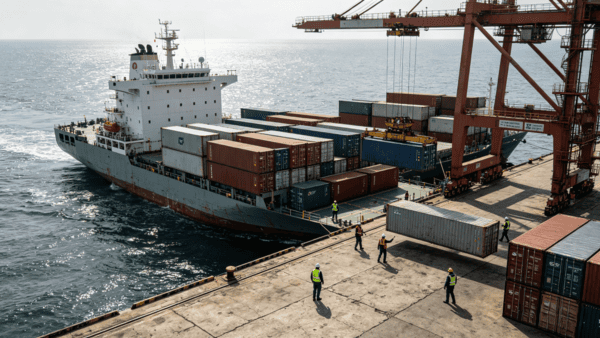
What are the Core Pain Points of Loading the Three Major Categories in China-to-Germany Sea Shipping?
When handling loading for China-to-Germany sea shipping, the core pain points of freight forwarders focus on three aspects: conflicts in mixed loading of categories, the balance between timeliness and cost, and the control of customs clearance risks. The pain points of different categories present differentiated characteristics.
Detailed Analysis of Specific Loading Pain Points for Different Categories
Loading Pain Points of General Goods: Scattered cargo volume leads to high LCL costs. Some freight forwarders blindly pursue load factors, randomly mixing general goods from different customers, which is prone to cargo damage and loss. Additionally, it is difficult to quickly distinguish the ownership of goods, affecting delivery efficiency.
Loading Pain Points of E-commerce Goods: The small-batch and multi-SKU characteristics lead to high sorting difficulty and high timeliness requirements (mostly requiring 25-35 days of direct transportation). However, the small batch makes it difficult to book a separate space, and the space is easily squeezed by general goods during LCL, resulting in delayed timeliness and affecting the shelving cycle of cross-border e-commerce platforms.
Loading Pain Points of Sensitive Goods: German customs exercise strict supervision over sensitive goods. For example, battery products require a UN38.3 report and an MSDS report, while cosmetics require EU CE certification. Improper mixed loading with general goods during loading is likely to trigger a full-container inspection. In addition, some carriers refuse to accept sensitive goods, resulting in limited available space and increased loading difficulty.
A common misunderstanding is that some freight forwarders believe that "sensitive goods can avoid risks as long as they are booked separately", ignoring the subdivision differences of sensitive goods (such as liquid sensitive goods and electrical sensitive goods, which cannot be mixed). At the same time, they excessively reduce loading costs and choose carriers with insufficient qualifications, leading to problems such as goods being detained and delayed. According to the monitoring data of China-to-Germany sea shipping by the Shanghai Shipping Exchange in Q3 2026, the delay rate of goods caused by improper loading is 8.7%, of which sensitive goods account for 62%, directly affecting the customer reputation of freight forwarders.
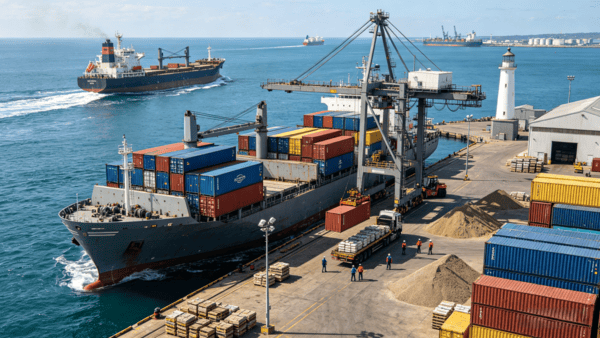
What are the Optimal Loading Strategies for the Three Major Categories in China-to-Germany Sea Shipping?
Combining the attributes and pain points of the three categories, the loading strategy should follow the core principles of "classified loading, timeliness matching, and risk control", and design targeted schemes in combination with carrier resources and customs clearance requirements to balance cost and service quality.
General Goods: Low-Cost and High-Safety Loading Strategy
The core of general goods loading is to improve load factors, control costs, and avoid cargo damage and loss. It is suitable to choose carriers with high cost performance and sufficient space, give priority to LCL integration, and optimize the loading order.
Give Priority to LCL Integration: For small-batch general goods, freight forwarders can integrate general goods from different customers to the same destination port (such as Hamburg and Bremen) into LCL, and choose carriers such as COSCO and MSC, which have sufficient space and low LCL costs. According to FBX data in August 2026, the average LCL price of general goods from China to Germany is 30%-40% lower than that of separate booking.
Standardize Loading Order: Follow the principle of "heavy goods at the bottom, light goods at the top, and fragile goods fixed separately" during loading. Place heavy goods (such as hardware and furniture) at the bottom of the container and light goods (such as clothing and daily necessities) at the top to avoid cargo damage caused by extrusion. Clearly mark the goods of different customers to facilitate sorting at the destination port.
Control Mixed Loading Scope: General goods can be mixed with light-weight e-commerce goods without peculiar smell and corrosion, but must not be mixed with sensitive goods to avoid delays in general goods due to the inspection of sensitive goods. The recommended approach is to only integrate the same type of general goods in the same LCL, or mix general goods with non-electrical and non-liquid e-commerce goods.
E-commerce Goods: High-Timeliness and High-Integration Loading Strategy
The core of e-commerce goods loading is to ensure timeliness and optimize sorting efficiency. It is necessary to give priority to fast shipping routes in combination with the delivery requirements of e-commerce platforms, reasonably integrate small-batch goods, and shorten the transportation and sorting cycle.
Give Priority to Fast Shipping Routes: For time-sensitive e-commerce goods such as Amazon FBA goods and AliExpress overseas warehouse goods, give priority to the fast shipping routes of Maersk and CMA CGM. The direct timeliness from China to Hamburg, Germany is 21-24 days, which is 3-7 days faster than ordinary routes, meeting the timeliness requirements of e-commerce platforms.
Optimize Small-Batch Integration: For e-commerce goods with a single shipment weight of less than 100kg, freight forwarders can integrate goods from the same platform and the same destination port into a full LCL, negotiate with carriers to reserve space to avoid being squeezed by other goods; at the same time, make SKU classification marks in advance to facilitate rapid sorting at the destination port and reduce delivery delays.
Connect with Customs Clearance and Overseas Warehouses in Advance: Most e-commerce goods have Door-to-Door (DDP/DDU) requirements. During loading, it is necessary to connect with local German customs clearance agents and overseas warehouses in advance to confirm the completeness of customs clearance documents (such as commercial invoices, packing lists, and EORI numbers) to avoid delayed customs clearance affecting the shelving timeliness of e-commerce platforms. Freight forwarders need to note that Amazon FBA goods in Germany need to declare an Importer Security Filing (ISF) in advance; otherwise, they will face the risk of customs clearance detention.
Sensitive Goods: High-Compliance and Low-Risk Loading Strategy
The core of sensitive goods loading is compliant declaration and risk avoidance. It is necessary to confirm the compliance of goods in advance, choose carriers that can accept sensitive goods, book separate containers or mix them with the same type of sensitive goods, and do a good job in risk prevention and control.
Confirm the Compliance of Goods in Advance: Before loading, ask customers for relevant qualification documents of sensitive goods. For example, battery products need to provide a UN38.3 report and an MSDS report, cosmetics need to provide a CE certification and an ingredient testing report, and counterfeit goods need to provide a brand authorization certificate. Ensure that the goods meet the regulatory requirements of German customs to avoid being detained due to inconsistent declaration.
Choose the Right Carrier: Give priority to carriers that can accept sensitive goods, such as Hapag-Lloyd and Maersk, which have mature experience in sensitive goods transportation and can provide compliant declaration guidance to reduce customs clearance risks; avoid choosing small carriers, which may have problems such as illegal acceptance and non-standard declaration, leading to goods being detained.
Standardize Mixed Loading and Packaging: Sensitive goods need to be booked in Full Container Load (FCL) or mixed with the same type of non-conflicting sensitive goods (such as electrical goods, which can be mixed with other electrical goods but not with liquid or powder sensitive goods); packaging must meet transportation standards. For example, battery products need to be packaged separately and insulated to avoid short circuits and leaks during transportation.
What are the Key Notes for Freight Forwarders' Loading Practice?
When implementing the China-to-Germany sea shipping loading strategy, in addition to following the differentiated loading schemes for different categories, freight forwarders also need to pay attention to details such as carrier selection, customs clearance connection, and risk prevention and control to avoid losses caused by detailed mistakes.
Note 1: Carrier Selection Must Match Category Needs
For general goods, priority should be given to carriers with high cost performance and sufficient space; for e-commerce goods, priority should be given to carriers with rich fast shipping route resources; for sensitive goods, priority should be given to carriers with sensitive goods transportation qualifications and strong customs clearance capabilities, avoiding "one-size-fits-all" carrier selection. According to data from the Shanghai Shipping Exchange in Q3 2026, selecting carriers that match category needs can reduce the delay rate by 30% and the cargo damage rate by 25%.
Note 2: Confirm Customs Clearance Requirements in Advance
German customs have significantly different customs clearance requirements for different categories of goods. Freight forwarders need to understand the latest regulatory policies in advance, such as the declaration requirements for sensitive goods, the inspection probability for general goods, and the ISF declaration specifications for e-commerce goods, and connect with customers in advance to obtain complete customs clearance documents to avoid delayed customs clearance due to missing documents.
Note 3: Do a Good Job in Cargo Damage and Delay Prevention and Control
Inspect the packaging of goods before loading, and reinforce fragile goods and sensitive goods; clarify the delay compensation terms with the carrier, especially for e-commerce goods, it is necessary to agree on the compensation standard for timeliness delays to reduce the risk of customer complaints; at the same time, purchase cargo transportation insurance to cover risks such as cargo damage, detention, and delay, and reduce their own losses.
Note 4: Regularly Optimize Loading Schemes
Adjust the loading strategy according to market dynamics. For example, reserve space in advance during peak seasons (June-August, November-December) to avoid loading failure due to tight space; flexibly adjust the choice between LCL and FCL according to freight fluctuations to balance cost and timeliness; regularly collect customer feedback, optimize the loading process, and improve service quality.
The recommended approach is that freight forwarders can establish a loading account for the three categories, record the loading effect (timeliness, cost, cargo damage rate) of different carriers and routes, optimize the loading scheme based on historical data, and at the same time strengthen cooperation with carriers and customs clearance agents to establish a stable supply chain system and improve loading efficiency and compliance.
The core of loading work in China-to-Germany sea shipping is "accurate matching, compliant control, and cost optimization". Freight forwarders need to base themselves on their own customer groups, clarify the loading needs of different categories of goods, formulate differentiated loading strategies in combination with the latest industry data and practical experience, not only avoid customs clearance and cargo damage risks but also balance cost and timeliness, so as to stand out in the fierce market competition. In the future, with the continuous deepening of China-EU trade, the types of goods in China-to-Germany sea shipping will become more abundant. Freight forwarders need to continuously optimize their loading capabilities, improve service professionalism, and provide customers with more high-quality and efficient logistics solutions.
Last
Multi-Modal Solutions for Sea Freight from Guangzhou to Dubai Hubs
Shipping from Guangzhou to Dubai is a critical maritime trade artery connecting South China’s core manufacturing cluster to the Mi
Next
Inside Scoop on China to Germany Shipping Carriers: How to Get More Competitive Direct Contract Rates?
As Sino-European trade continues to heat up, China to Germany shipping, as the core logistics channel connecting trade between the

