




As an important port city in China, Shanghai has a crucial sea-freight route to Los Angeles in the United States. This route plays a key role in international trade, connecting important economic regions in Asia and North America. It undertakes a large volume of cargo transportation, strongly facilitating economic exchanges and cooperation between the two sides.
What is the Trade Overview between Shanghai and Los Angeles?
Shanghai is the economic center and international metropolis of China, while Los Angeles is the largest city in California, USA, and also the economic and cultural center of the western United States. Relying on the economic characteristics of their respective regions, the two places have formed active trade exchanges.
A wide variety of goods are shipped from Shanghai to Los Angeles. Among them, electronic products account for a large proportion, such as smartphones, tablets, and smart wearable devices. Thanks to China's strong manufacturing base, these products are popular in the Los Angeles market for their cost-effectiveness and innovative functions. In addition, consumer goods such as textiles, furniture, and toys are also transported to Los Angeles in large quantities via this route to meet the daily needs of local residents. Los Angeles and its surrounding areas also ship various goods to Shanghai through this route, including high-end machinery and equipment, agricultural products (such as California fruits and nuts), and some high-tech products.
This trade structure based on the industrial advantages of both sides has led to a continuously stable and substantial demand for shipping from Shanghai to Los Angeles.
What Are the Characteristics of Shanghai Port That Facilitate It as the Main Departure Port?
Shanghai Port is one of the world-class major ports with numerous remarkable advantages.
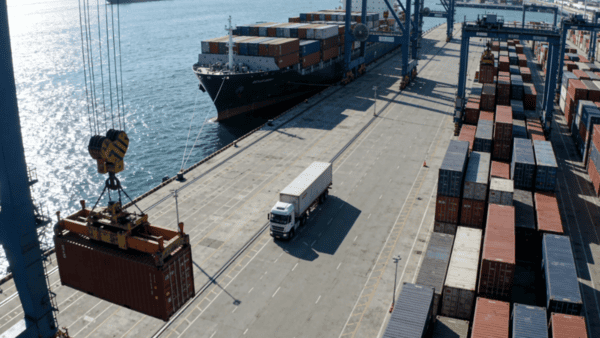
Advanced Facilities: It is equipped with modern and comprehensive loading and unloading equipment. Whether it is large-scale container cranes or various special-cargo handling equipment, they can efficiently complete the loading and unloading operations of goods, significantly shortening the port-stay time of ships.
Dense Routes: As an international shipping hub, Shanghai Port has a dense route network, with a large number of direct flights to Los Angeles. It provides rich choices and stable shipping schedules for cargo transportation. Even for transit routes, with the transshipment advantages of Shanghai Port, fast and efficient transshipment can be achieved.
Favorable Geographical Location: Located at the mouth of the Yangtze River, it can not only conveniently gather goods from the vast inland areas of China but also facilitate the distribution and allocation of goods with other coastal ports, greatly expanding the source hinterland of goods.
Complete Logistics Support: There is a complete logistics service system around the port, including warehousing, customs declaration, inspection, and a series of supporting services. Professional logistics enterprises can provide efficient and convenient one-stop services to ensure the smooth loading and shipping of goods.
What Are the Characteristics of the Port of Los Angeles and Its Clearance Situation?
The Port of Los Angeles is one of the busiest ports in the United States, with the following characteristics:
Large-scale: It has multiple large-scale container terminals, with super-strong cargo-handling capabilities. It can accommodate the berthing and operation of multiple large-scale ships simultaneously, and the annual cargo throughput is huge.
Complex Operations: Due to its busy business, various operations in the port are carried out simultaneously, involving multiple links such as container loading and unloading, transshipment, and storage. The operation process is relatively complex, but it also has a mature management system to ensure smooth operation.
Congestion Challenges: During peak shipping seasons, such as before the US shopping seasons, the Port of Los Angeles often faces congestion problems. A large number of goods arrive concentratedly, making resources such as docks and yards in the port tight, which may lead to an extension of ship waiting time and goods remaining in the port. The average berthing time of ships is usually 2-3 days, but it may be extended in case of severe congestion.
Regarding customs clearance, the US Customs has strict requirements for the clearance of imported goods. Generally, documents such as commercial invoices, bills of lading, packing lists, and certificates of origin (if applicable) are required. For specific products, such as food and pharmaceuticals, they also need to meet the special regulations of relevant US agencies such as the Food and Drug Administration (FDA). The customs-clearance process includes steps such as document submission, customs inspection (possibly random inspection), and tax payment. Freight forwarders and cargo owners need to ensure the accuracy of documents and understand the regulatory requirements related to products in advance to avoid customs-clearance delays.
What is the Transit Time from Shanghai to Los Angeles?
Direct Voyages: A direct voyage from Shanghai Port to the Port of Los Angeles usually takes 11-14 days. Direct voyages can provide relatively stable and fast transit times for goods. For time-sensitive and high-value goods, such as new-style electronic products and fashionable clothing, direct voyages are an ideal choice.
Transit Voyages: If a transit route is chosen, the transit time is generally 18-25 days. Transit routes may transit at some international hub ports, such as the Port of Singapore or other Asian ports. Although transit routes have relatively lower costs, due to the addition of the transshipment link, goods may take some time to wait for transshipment at the transit port, so the overall transit time is longer. This method is suitable for some goods that are less time-sensitive and focus on cost control, such as textiles and toys.
What Are the Shipping Costs and What Factors Influence Them?
The shipping prices from Shanghai to Los Angeles generally range from $1500-$5000 per 40-foot container, and the specific price is affected by various factors.
Cost Composition: It mainly includes ocean freight, terminal handling charges (THC), bunker adjustment factor (BAF), currency adjustment factor (CAF), etc. Among them, ocean freight is the main cost part, which is directly affected by market supply and demand.
Market Supply and Demand: During peak shipping seasons, such as before US shopping seasons like Christmas and Black Friday, the market demand for cargo transportation increases significantly, and shipping space becomes tight. At this time, ocean freight often rises significantly, possibly 20%-50% higher than usual. In the off-season, the demand is relatively low, and the freight rate will also drop accordingly.
Fuel Prices: The bunker adjustment factor is closely related to international fuel prices. When international oil prices rise, shipping companies will increase the bunker adjustment factor to make up for the increase in fuel costs, resulting in an increase in the overall freight. Conversely, when oil prices fall, the bunker adjustment factor will also decrease accordingly.
Goods Type: Different types of goods also affect the freight. For example, overweight and oversized goods may require special loading and unloading equipment and transportation arrangements, resulting in additional costs. In addition, special goods such as dangerous goods have higher transportation requirements, and the freight will also be relatively higher.
What Key Considerations Should Freight Forwarders Keep in Mind?
Peak Season Reminder: The peak season for shipping from Shanghai to Los Angeles is usually from September to December each year. Freight forwarders should book shipping space at least 2-3 weeks in advance to ensure sufficient space for cargo transportation. At the same time, they should communicate with customers in a timely manner about issues such as tight shipping space, rising freight rates, and extended transit times that may occur during the peak season, and help customers reasonably arrange their shipping plans.
Documentation Precautions: Ensuring the accuracy of customs-clearance documents is of utmost importance. Common mistakes include unclear description of goods and inaccurate value declaration on commercial invoices, which may lead to customs-clearance delays. Freight forwarders need to carefully review the documents, require customers to provide detailed and accurate cargo information, and keep informed of the policy changes of the US Customs in a timely manner to ensure that the documents meet the latest requirements.
Common Issues: Congestion at the Port of Los Angeles is a common problem. Freight forwarders need to closely monitor port dynamics and obtain information on ship arrivals, departures, and the status of goods in the port in a timely manner. In case of congestion, they should communicate and coordinate with shipping companies and the port in a timely manner to seek solutions and notify customers in a timely manner. In addition, weather factors, such as hurricanes in the Pacific Ocean, may affect the shipping schedule. Freight forwarders should be prepared in advance and inform customers of possible delays.
Conclusion
The sea-freight route from Shanghai to Los Angeles is an important channel connecting the two major economic regions of China and the United States, playing an irreplaceable role in promoting bilateral trade and economic development. Understanding the trade overview of this route, the characteristics of the departure and destination ports, transit times, cost composition, and key considerations is the key for freight forwarders to handle related businesses well. Through professional operations and reasonable planning, freight forwarders can ensure the safe and efficient transportation of goods between Shanghai and Los Angeles. Shipping from Shanghai to Los Angeles will continue to play an important bridging role on the stage of international trade.
Last
How to Avoid Demurrage and Detention Fees in China to US Shipping_
As the core logistics method for Sino-US cross-border trade, China to US shipping undertakes the transportation needs of a large v
Next
How to Handle ISF Filing for Sea Shipping from China to the US_
In global cross-border trade, sea shipping from China to the US is one of the most core and busiest routes. As a mandatory securit

