




Modern cross-border logistics operations face growing operational friction as updated EU Import Policy enforces rigorous safety compliance inspections, which frequently trigger container release delays at European border terminals. In recent years, tightened regulatory frameworks have reshaped conventional customs clearance workflows, leading to unplanned container dwell periods and rising commercial disputes between shippers and freight forwarding service providers. Most conflicts arise from inconsistent understandings of compliance timelines, liability allocation standards, and cost sharing mechanisms, rather than basic operational errors. Forwarders focusing on Asia-Europe trade routes need mature dispute resolution mechanisms to maintain stable client partnerships amid ongoing regulatory updates.
What causes container release delays under current EU compliance rules?
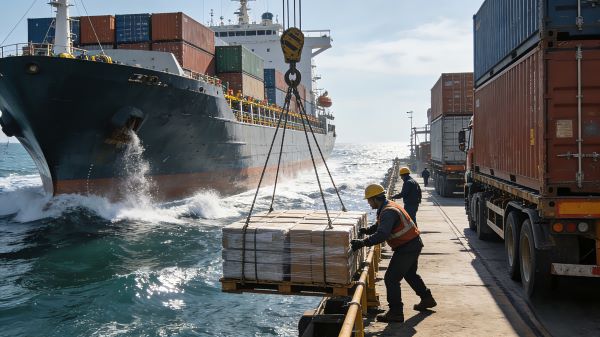
Systemic container detention incidents under EU Import Policy stem from unified safety verification protocols executed consistently across all EU member state customs authorities. Standardized compliance procedures override routine clearance schedules and extend lead times for shipments with incomplete documentation or non-compliant commodity records.
The full rollout of ICS2 Phase 3 throughout 2025 and 2026 has standardized EU cargo risk-screening logic, reducing regional procedural flexibilities that previously allowed expedited container release. All containers entering EU territories undergo automated data validation and risk-based physical inspections according to system-generated assessment results. Minor data discrepancies in pre-arrival declarations can initiate mandatory cargo holds, with container release suspended until full document rectification and verification completion.
According to European Commission 2026 compliance monitoring datasets, declaration inconsistencies and insufficient safety documentation contribute to over 70 percent of container detention cases at major EU border ports. Common triggering factors include inaccurate HS code classification, missing safety certification files, mismatched shipper and consignee particulars, and delayed ENS submission. Different from traditional tariff audits, modern EU safety compliance supervision prioritizes supply chain security, resulting in consistent and less flexible enforcement standards across member states.
Why do compliance delays trigger shipper-forwarder disputes?
Commercial disputes between shippers and forwarders mainly derive from ambiguous liability definitions and uneven policy awareness regarding EU safety compliance enforcement. Divergent cognition of regulatory rigidity leads to conflicting expectations on cost compensation and operational accountability.
Ambiguous liability allocation for regulatory delays
A common mistake is the generalized assumption that forwarding companies bear comprehensive accountability for all EU border container delays. Many shippers categorize detention events as service underperformance, ignoring the reality that most regulatory holds originate from upstream document defects controlled by cargo suppliers rather than logistics providers. EU Import Policy clarifies that exporters hold primary responsibility for commodity safety qualification and declaration authenticity, while forwarders undertake procedural submission and coordination duties only.
Most compliance-related detention cases occur due to inaccurate cargo information supplied by shippers, including incorrect commodity coding, missing CE certification credentials, and incomplete safety specification descriptions. Once containers arrive at EU terminal facilities, customs authorities enforce regulatory holds regardless of delivery urgency, generating demurrage, detention, storage fees, and downstream order fulfillment losses. Shippers often pursue compensation for such cumulative losses without differentiating regulatory risks from forwarding operational faults.
Information asymmetry across supply chain stakeholders
Most manufacturing and trading enterprises prioritize production and sales operations with limited resources allocated to real-time EU regulatory monitoring. Forwarders, as frontline participants in cross-border compliance execution, accumulate richer policy implementation experience. This information gap creates misaligned delivery timeline expectations that conflict with updated EU clearance protocols.
According to Drewry 2025 supply chain risk assessment reports, approximately 38 percent of Asia-Europe cargo delay disputes in recent years correlate with outdated shipper understanding of EU safety compliance reforms. Many market participants continue applying conventional clearance experience, failing to reserve sufficient buffer periods for systematic risk screening and document rectification under current policy frameworks.
What key losses intensify post-detention commercial disputes?
Measurable economic expenditures and indirect operational disruptions resulting from detained containers serve as core drivers of escalating shipper-forwarder conflicts. Multi-layered loss structures exacerbate disagreements over liability division and compensation distribution.
Accumulated terminal demurrage and detention expenditures
Prolonged container holding periods generate incremental logistics costs that affect multiple supply chain participants. EU terminal demurrage and container detention fees accumulate daily throughout compliance verification procedures, creating unplanned operational expenditures for involved parties.
According to 2026 carrier tariff specifications released by major European shipping lines including CMA CGM and MSC, daily container detention fees at Northern European mainstream ports range from €160 to €280, while terminal demurrage charges fluctuate based on cargo category, storage mode, and dwell duration. Temperature-sensitive goods and time-sensitive batch shipments incur relatively higher comprehensive holding costs. For cargo with narrow profit margins, cumulative detention and demurrage charges may offset the conventional profit space of forwarding services, leading to disputes over reasonable cost allocation.
Disrupted order fulfillment and downstream supply stability
Compliance-induced container delays interfere with systematic inventory arrangements and sales cycles of EU importers. A large number of European enterprises adopt just-in-time inventory management modes, which rely on stable and predictable overseas cargo arrival schedules. Unplanned border detention can trigger production suspension, retail inventory shortages, and contractual delivery breaches for downstream buyers.
Indirect operational losses stemming from delayed shipments often exceed direct terminal holding fees, prompting shippers to raise compensation claims against forwarding partners. Forwarders operate within fixed service profit boundaries and lack capacity to cover extended indirect liability, resulting in prolonged deadlocked disputes between cooperating parties.
How can forwarders standardize dispute response workflows?
Standardized response protocols and transparent communication frameworks are one of the commonly adopted approaches to mitigate dispute escalation caused by EU safety compliance delays. Structured operational mechanisms enhance problem-solving efficiency and sustain stable shipper cooperation relationships.
Maintain real-time policy tracking and full-process evidence retention: Forwarders should note that EU compliance inspection standards undergo continuous iterative adjustment. The recommended approach is to build real-time policy monitoring channels and retain complete operational evidence, including declaration submission screenshots, official customs feedback records, and detailed timeline logs. Comprehensive evidence chains help distinguish mandatory regulatory enforcement delays from active forwarding operational errors.
Adopt phased proactive client communication mechanisms: A common mistake is adopting passive communication strategies only after container detention occurs. Forwarders should remind shippers of potential compliance risks and updated document requirements before cargo departure, reserving reasonable time margins for pre-shipment document rectification in line with prevailing EU Import Policy rules.
Implement dual pre-shipment document verification procedures: The recommended approach is to establish two-tier inspection workflows for all EU-bound cargo declarations. Professional compliance teams verify commodity coding accuracy, safety certification validity, and declaration logical consistency to reduce error rates that trigger customs holds. Preemptive document optimization lowers the frequency of compliance delays and subsequent commercial conflicts.
Optimize contractual liability clause specifications: Forwarders should note that ambiguous service contract terms contribute to difficult dispute resolution. The recommended approach is to add standardized regulatory risk allocation clauses in service agreements, clarifying liability division principles for losses arising from mandatory EU safety compliance verification.
Provide targeted rectification guidance during detention events: A common mistake is merely notifying shippers of detention outcomes without actionable solutions. Forwarders can deliver professional document supplementation guidance, accelerate customs rectification progress, and curtail cargo dwell duration to minimize overall supply chain losses. Proactive service support helps reduce shipper dissatisfaction and dispute willingness.
What long-term operational adjustments mitigate compliance-related disputes?
Sustained operational optimization and compliance capacity upgrading assist forwarders in lowering dispute risks associated with stringent EU safety supervision. Systematic capability improvement adapts to normalized regulatory iteration trends in cross-border logistics.
Establish differentiated cargo compliance management frameworks
Various types of EU-bound cargo correspond to distinct safety inspection scopes and verification criteria. Electronic devices, chemical products, and daily consumer goods require complex certification validation, while bulk industrial commodities focus more on declaration data accuracy and consistency.
Forwarders can categorize client cargo types and develop targeted pre-shipment compliance checklists for different product categories. Differentiated inspection mechanisms reduce omission risks from generalized compliance processes, lowering detention probabilities caused by industry-specific compliance gaps. Such refined operational modes support stable long-term client cooperation.
Build industry-wide risk sharing and early warning systems
Cross-border logistics compliance risks exhibit shared industry characteristics across Asia-Europe trade lanes. Forwarders can participate in industry association information sharing platforms to synchronize updated EU inspection priorities, frequent declaration error types, and regional supervision variations among EU member states.
According to UNCTAD 2025 global shipping industry analysis, EU border supervision standards present periodic adjustment features with shifting inspection focuses. Timely risk early warning and client pre-reminder mechanisms help reduce clustered detention incidents and concentrated dispute outbreaks. Forwarders with mature risk management systems maintain relatively stable business performance in Asia-Europe cross-border markets.
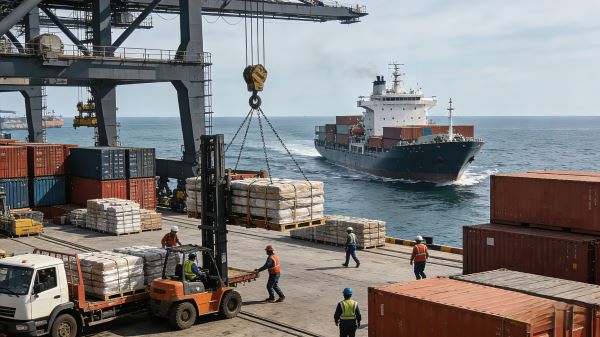
As EU Import Policy continues enhancing safety compliance stringency and standardized border supervision mechanisms, forwarders need to shift from passive dispute resolution to proactive risk prevention. Optimized pre-shipment compliance verification, transparent liability allocation systems, and professional emergency response capabilities serve as core operational advantages for stabilizing shipper partnerships and supporting sustainable Asia-Europe cross-border logistics development.
Last
Ensuring smooth asia europe trade flows by tracking the recent EU customs security updates and border import policy
Global freight forwarders rely heavily on predictable cross-border protocols, making EU Import Policy compliance a core priority f
Next
Evaluating hidden destination gateway taxes tied to complex EU regional trade frameworks and aggressive import policy
Evolving EU Import Policy continues rolling out layered regional tax and levy mechanisms across EU border gateways, generating hid

