



Modern cross-border air freight operations rely heavily on accurate manifest data submission to meet strict EU ICS2 Phase 2 Filing Requirements, with HS code accuracy standing as the most error-prone yet critical compliance indicator for regional data entry teams. In recent years, EU customs digital supervision has raised data standard thresholds significantly, making standardized clerk training an essential investment for global forwarding firms to reduce declaration rejection risks. Minor mismatches in HS code classification often trigger systemic screening failures, cargo delays, and compliance penalties that undermine overall operational efficiency.
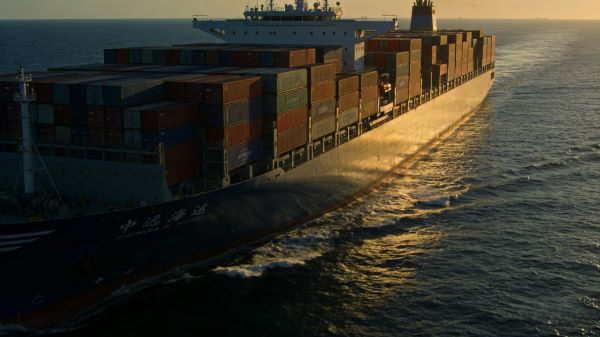
Why HS code accuracy determines compliance success under EU ICS2 Phase 2 Filing Requirements
Precise HS code matching serves as the foundational data pillar for valid cargo classification and risk assessment under EU ICS2 Phase 2 Filing Requirements. Every item-level declaration submitted to EU customs systems relies on HS code information to trigger automated security screening, tariff verification, and regulatory compliance checks. Inaccurate coding disrupts the entire digital clearance workflow and creates traceable compliance records for forwarding businesses.
A common mistake is that regional data entry clerks often adopt simplified 6-digit universal HS codes for EU-bound shipments to save operational time. This conventional practice fails to match the 8-digit EU-specific coding standards enforced by ICS2 Phase 2 systems, resulting in automatic declaration rejection even when other manifest details remain fully correct. Many frontline teams underestimate the granularity of EU coding rules and treat HS classification as a routine mechanical task rather than a core compliance procedure.
According to ITC Trade Map 2025 compliance statistics, over 32% of air freight ENS filing rejections for EU inbound shipments stem directly from incorrect or mismatched HS code entries. This data proves that coding errors surpass document format issues and missing stakeholder information as the top cause of ICS2 Phase 2 declaration failures for global forwarders.
What HS code matching differences exist between general trade and EU ICS2 Phase 2 standards
EU ICS2 Phase 2 Filing Requirements enforce region-specific HS code rules that differ substantially from universal international coding conventions used in general global trade declarations. Traditional cross-border coding only requires consistent 6-digit core code alignment, while EU digital customs supervision demands extended local code verification for all inbound cargo. These differentiated rules create unique operational challenges for regional data entry teams.
How do extended EU HS code structures affect data entry accuracy
Most global trade scenarios adopt unified 6-digit HS codes recognized by the majority of trading economies. EU ICS2 Phase 2 mandates an additional two-digit extension, forming an 8-digit commodity coding system exclusive to EU customs supervision. The extended digits define detailed product attributes including material composition, manufacturing standards, and usage scenarios that determine risk classification levels for EU border security checks.
Forwarders should note that even minor discrepancies in the last two extended digits will trigger algorithmic mismatches in the ICS2 Phase 2 verification system. The platform does not support manual review or exception approval for coding inconsistencies, which means entire consolidated shipments may face suspension due to single-item coding errors submitted by untrained data clerks.
What operational risks arise from untrained regional data entry teams
Untrained regional data entry personnel introduce systematic compliance risks that weaken enterprises’ overall ICS2 Phase 2 adaptation capabilities. Inconsistent coding habits across different regional branches lead to unstable declaration quality and repeated compliance errors. These scattered operational flaws accumulate to damage long-term corporate customs credit ratings.
Frequent ENS declaration rejection: Clerks without professional EU coding training often apply outdated or non-compliant HS codes for EU-bound cargo. Each rejected filing requires repeated data modification and resubmission, consuming additional administrative manpower and delaying cargo pre-clearance progress.
Accumulated compliance penalty risks: Continuous HS code mismatches are classified as intentional non-compliance tendencies by EU customs systems. According to Drewry 2025 air freight compliance reports, repeated coding errors may lead to administrative fines ranging from 180 to 650 euros per shipment for forwarding enterprises.
Elevated cargo inspection rates: Irregular coding records mark forwarding companies as medium or high-risk operators under the EU digital supervision system. Higher risk ratings lead to increased physical inspection frequency and longer border dwell time for all subsequent EU shipments.
Branch operational inconsistency: Untrained regional teams form personalized coding habits without unified standards. Disparate declaration data across branches disrupts enterprise-level compliance management and increases the difficulty of unified operational auditing.
What core training modules improve regional HS code matching accuracy
Targeted professional training for regional data entry clerks standardizes HS code judgment logic and aligns all operational behaviors with EU ICS2 Phase 2 Filing Requirements. Scientific training frameworks eliminate subjective coding errors caused by insufficient policy understanding and inconsistent operational experience. Focused module learning effectively improves overall declaration accuracy for global forwarding networks.
EU exclusive HS code library learning: Train clerks to master the full 8-digit EU HS code system and distinguish it from universal 6-digit coding standards. The training covers common commodity categories for air freight, including electronic products, daily necessities, mechanical parts, and cross-border e-commerce goods that frequently require EU customs declaration.
Attribute-based coding judgment drills: The recommended approach is to teach clerks to judge HS codes based on core product attributes such as material, function, usage, and technical parameters. Fixed judgment processes replace subjective experience-based coding to reduce random errors in daily data entry work.
ICS2 Phase 2 error case analysis: Integrate real rejection cases caused by HS mismatches for centralized explanation and analysis. Clerks summarize high-frequency error scenarios and form standardized avoidance mechanisms suitable for regional business characteristics.
Simulated system declaration training: Arrange offline simulation of ICS2 Phase 2 data entry and verification processes. Clerks practice standardized data input formats and verify coding matching results through simulated algorithm checks to adapt to system verification logic.
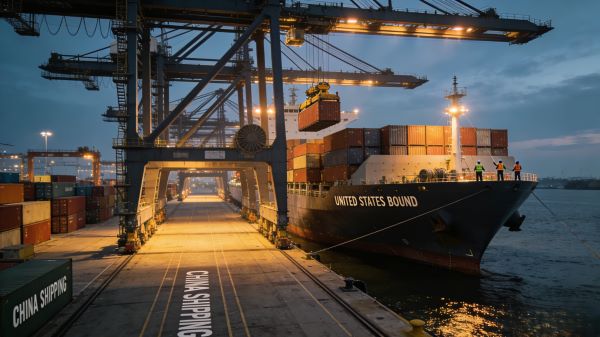
Regular knowledge update training: Organize periodic learning sessions for the latest EU HS code adjustment rules. EU customs updates partial commodity classification standards every year, and sustained training ensures clerks always adopt the most compliant coding schemes.
How to build a standardized clerk assessment mechanism for ICS2 Phase 2 compliance
A complete assessment mechanism consolidates training outcomes and sustains long-term high-precision HS code matching for regional data entry teams. Simple skill training cannot guarantee persistent compliance effects without quantitative evaluation and standardized supervision mechanisms. Stable operational quality relies on normalized assessment and continuous behavioral optimization.
What evaluation indicators suit frontline data entry assessment
Forwarders should note that effective assessment indicators need to cover accuracy rate, error repetition rate, and emergency processing capability. Single-dimensional accuracy statistics cannot reflect comprehensive compliance capabilities of regional teams under EU ICS2 Phase 2 regulatory scenarios. Multi-dimensional evaluation ensures balanced improvement of speed and precision in data entry work.
Core assessment indicators include daily HS code matching accuracy, monthly repeated error rate, case rectification completion rate, and new rule learning proficiency. Enterprises set tiered assessment standards based on regional business volume and cargo type complexity to avoid one-size-fits-all evaluation modes. Qualified assessment results serve as the core basis for team operational performance evaluation.
What long-term benefits does standardized clerk training bring to forwarders
Sustained professional training for regional data entry teams optimizes enterprise compliance systems and reduces comprehensive operational costs under EU digital customs supervision. Standardized HS code matching capabilities become stable core competitiveness for forwarding enterprises undertaking EU air freight businesses. In recent years, industry competition has gradually shifted from price advantage to standardized compliance service advantage.
According to UN Comtrade 2025 global logistics compliance data, forwarding enterprises with normalized data clerk training systems achieve a 29% reduction in EU shipment detention rates and a 24% decrease in comprehensive compliance costs compared with untrained teams. Stable declaration quality effectively improves customer cooperation satisfaction and enhances market reputation in the EU logistics sector.
Trained regional teams can independently complete compliant HS code matching and pre-submission self-inspection, reducing the workload of headquarters compliance audits. The layered operational model of regional entry and headquarters review greatly improves overall declaration efficiency while maintaining high compliance standards, forming a mature and replicable ICS2 Phase 2 operational system.
As EU customs digital supervision continues to iterate and improve, professional data entry capabilities will remain the basic guarantee for smooth declaration operations. Continuous investment in regional clerk training helps forwarding enterprises adapt to evolving regulatory standards, stabilize EU business layout, and avoid operational risks brought by non-compliant data submission under EU ICS2 Phase 2 Filing Requirements.
Last
Strengthening Freight Forwarder Alliance Networks to Offset Shipping Decarbonization Policy Impacts on Small Logistics Businesses
The Impact of Shipping Decarbonization on Small Freight Forwardershas become more prominent as immediate global maritime regulator
Next
Resolving eu ets client surcharges by referencing the official 2026 shipping carbon allowance eua purchase guide control
Global forwarding agencies can standardize client-facing carbon charge mechanisms and resolve routine billing discrepancies by ado