




A standardized reefer container rf ptl inspection process requires systematic technician troubleshooting procedures to reduce terminal operational errors and unify pre-trip inspection benchmarks across international container yards. Conventional visual inspections often fail to detect subtle latent defects on reefer units, which may deteriorate during long-haul maritime transit. In recent years, growing cross-border cold chain cargo volumes have raised industry requirements for inspection accuracy, making structured troubleshooting manuals a common supporting tool for terminal operational standardization.
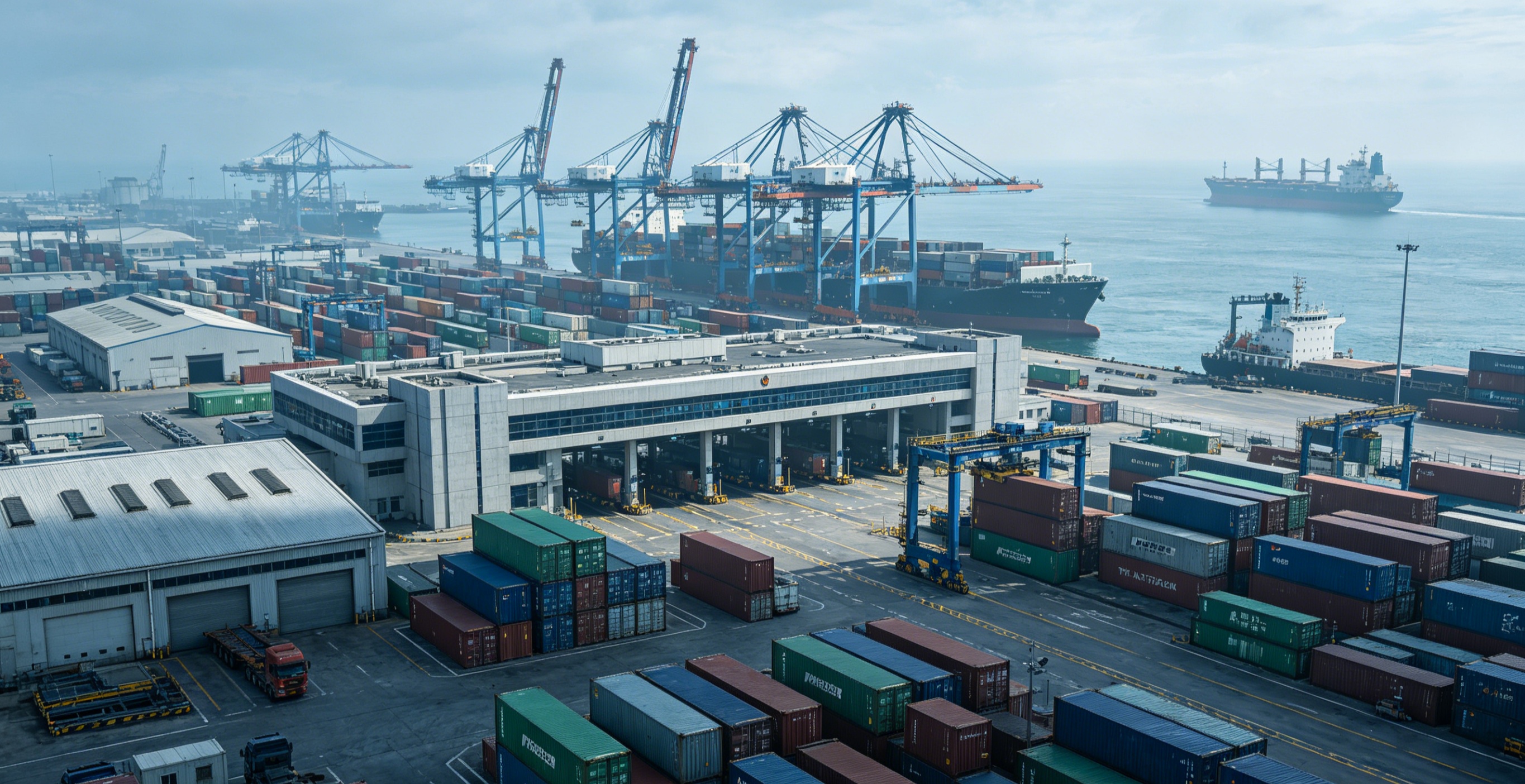
What role does technician troubleshooting play in standard yard PTL operations?
Reefer technician troubleshooting consists of targeted fault diagnosis and rectification procedures integrated into the regular reefer container rf ptl inspection process. This operational module addresses mechanical failures, structural sealing gaps, and sensor calibration deviations that compromise cold chain cargo stability before container loading.
Why do terminal yards need standardized step-by-step troubleshooting manuals?
Unregulated on-site inspection practices create inconsistent PTL inspection quality among different technicians and work shifts. Standardized troubleshooting frameworks unify operational logic, mitigate subjective judgment discrepancies, and stabilize the overall qualification rate of pre-trip reefer container assessments.
According to UNCTAD 2024 Maritime Review data, supply chain disruptions on major global shipping routes have increased cold chain cargo spoilage risks for uninspected reefer equipment. Terminals without standardized troubleshooting protocols record a growing share of post-shipment temperature anomalies, mostly stemming from accumulated minor equipment defects during extended ocean transit.
Forwarders should note that mainstream liner carriers and third-party cold chain audit institutions adopt traceable step-by-step inspection and fault-recording mechanisms. Incomplete troubleshooting documentation may trigger cargo hold notifications and generate extra operational expenditures for freight forwarding practitioners.
A common mistake is that many frontline terminal technicians rely on empirical experience to conduct arbitrary fault checks during routine PTL inspections. This experience-dependent approach fails to adapt to updated technical specifications of modern intelligent reefer units and may overlook emerging types of equipment defects.
What common hidden faults affect reefer PTL inspection qualification results?
Multiple inconspicuous mechanical and structural defects can pass superficial visual screening but lead to non-compliant results in the formal reefer container rf ptl inspection process. These latent faults disrupt terminal shipment schedules and raise operational risks for cross-border cold chain logistics.
Intermittent refrigeration startup latency: Modern reefer compressors may maintain normal standby status while exhibiting delayed startup under low-temperature load conditions. Such intermittent faults remain undetectable during short-duration testing but induce continuous internal temperature fluctuations after vessel stowage and departure.
Micro air leakage at concealed structural joints: Corner gaps, hidden welding seams, and internal ventilation pipe connections frequently produce tiny air penetration points. These obscure structural positions evade basic visual checks and trigger progressive humidity elevation inside containers during transoceanic transportation.
Gradual sensor data drift: Temperature and humidity sensors may generate minor data deviation that does not activate system alarm prompts. Continuous drift accumulation expands temperature control inaccuracies, failing to satisfy precision preservation standards for high-value cold chain commodities.
Unstable power contact connection: Aging power interfaces and loose internal wiring structures cause intermittent power disconnection. Vibration during ocean voyages exacerbates such connection faults, leading to sporadic refrigeration unit restarts and compromising perishable cargo preservation environments.
How to implement standardized step-by-step troubleshooting for yard PTL inspection?
Modularized reefer troubleshooting divides the complete reefer container rf ptl inspection process into sequential diagnostic units to achieve full coverage of potential fault points. This structured method reduces omission rates and repetitive testing workloads in daily terminal inspection operations.
The recommended approach is to conduct troubleshooting following four sequential modules including power system verification, refrigeration function debugging, airtightness assessment, and sensor calibration inspection, with all operational steps fully documented.
Verify power system operational stability: Technicians inspect power interface tightness, cable aging conditions, and terminal connection firmness. A 5 to 10-minute standby power test is conducted to monitor voltage fluctuation and eliminate hidden risks of intermittent power failure caused by navigational vibration.
Execute full-cycle refrigeration functional debugging: Set temperature parameters matching cargo preservation requirements and sustain continuous refrigeration operation for no less than 20 minutes. Observe compressor startup frequency, fan operating stability, and automatic defrost responses to capture intermittent faults missed in short-time detection.
Perform targeted concealed airtightness troubleshooting: Based on standard pressure retention testing, focus on gap detection at container bottom corners, internal duct joints, and gasket splicing areas. Real-time pressure drop data is recorded to evaluate micro-leakage risks at concealed structural positions.
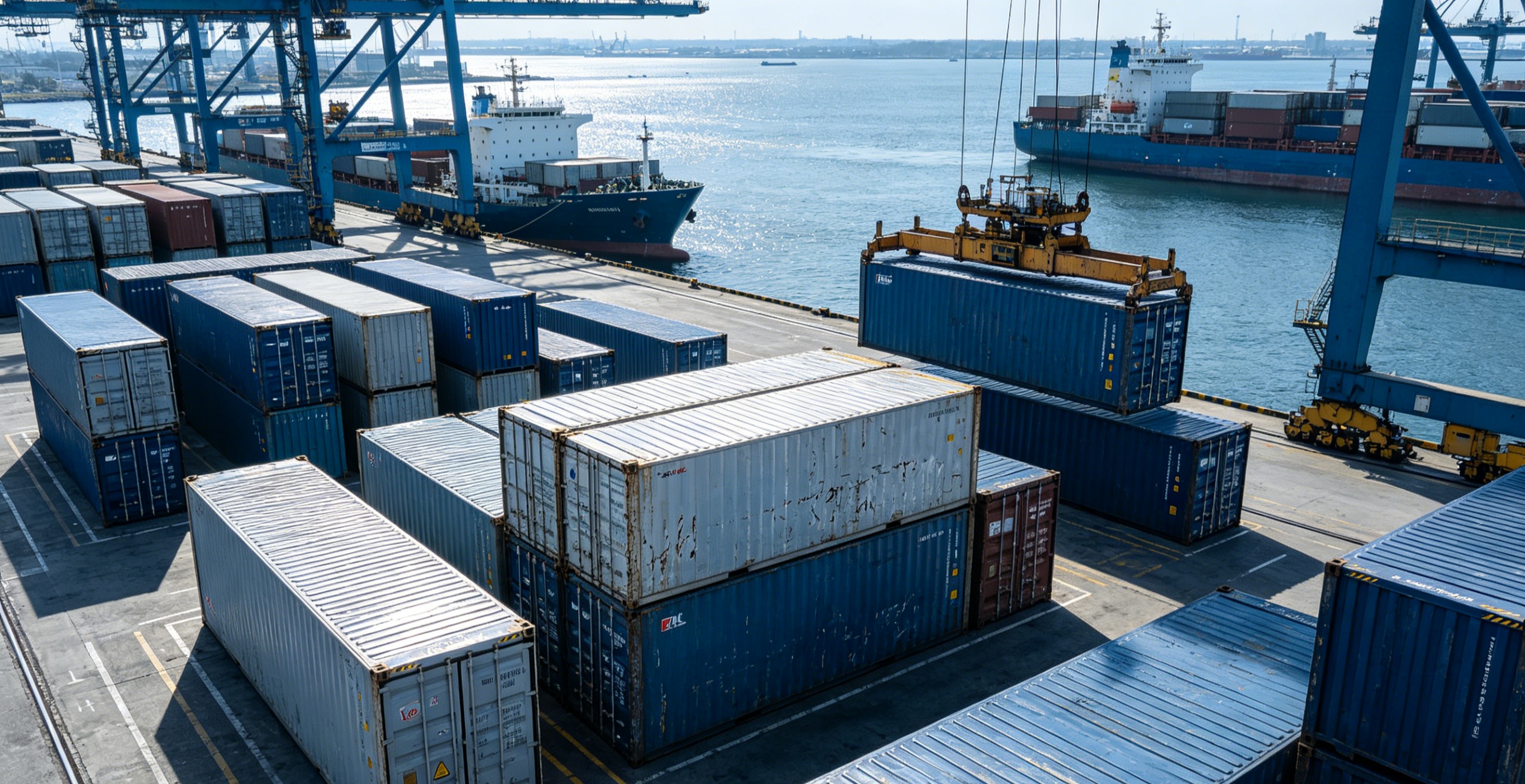
Conduct systematic sensor calibration verification: Adopt high-precision portable calibration devices to compare and rectify built-in sensor data deviation. Containers with excessive calibration errors are marked for professional maintenance before formal shipment arrangements.
Archive troubleshooting data for traceable management: Record all detected faults, rectification measures, and test results in official PTL inspection documents. Independent equipment troubleshooting files are established for each reefer container to support subsequent maintenance and repeated inspection reference.
What operational benefits do troubleshooting manuals bring to terminal yards?
The promotion of standardized troubleshooting manuals improves operational efficiency and inspection compliance rates within the conventional reefer container rf ptl inspection process for terminal scenarios. It delivers stable technical support for high-frequency, large-scale cold chain container pre-shipment verification work.
Harmonize terminal inspection service criteria: Standardized step-by-step operations reduce inspection quality discrepancies derived from different technician qualifications and operational habits. Consistent PTL inspection standards across work shifts help terminals maintain normalized service outputs.
Optimize inspection and maintenance cost control: Accurate one-time troubleshooting lowers rework probabilities caused by undetected faults and incomplete assessments. It saves labor and time expenditures generated by repeated PTL testing and delayed shipment scheduling.
Stabilize cold chain shipment compliance levels: Comprehensive latent fault mitigation reduces the occurrence of post-shipment refrigeration anomalies and cargo quality issues. Stable inspection quality facilitates sustainable cooperative relationships between container terminals, liner companies, and forwarding agencies.
Improve terminal cold chain service competency: Traceable standardized troubleshooting records satisfy the increasingly rigorous audit requirements of global cold chain logistics clients. Systematic inspection mechanisms help terminals enhance comprehensive service capabilities in competitive logistics markets.
How can forwarders cooperate with terminal troubleshooting and PTL inspection work?
Forwarders can optimize pre-shipment communication and docking mechanisms with container yards to maximize the value of standardized reefer troubleshooting workflows. Targeted cooperation adjustments effectively reduce cold chain shipment risks arising from non-standard terminal inspection operations.
Submit customized cargo inspection requirements in advance: Forwarders provide terminal technicians with detailed information on cargo attributes, preservation temperature ranges, and overall transit cycles before container warehousing. Technicians can adjust troubleshooting priorities for precision-sensitive cold chain goods.
Verify troubleshooting documentation before vessel loading: Arrange professional staff to check the integrity of terminal PTL inspection and fault processing files. Key verification items cover power stability test data and airtight pressure retention records, ensuring no unresolved latent equipment faults before shipment.
Build sustainable fault feedback communication channels: Maintain long-term interactive mechanisms with cooperative terminals. Summarize in-transit cargo quality abnormalities and feed back relevant data to technicians, supporting continuous optimization of troubleshooting focus and operational processes.
Optimize container scheduling and matching strategies: Classify reefer container equipment status based on historical troubleshooting and inspection data. Allocate containers with stable operational parameters for long-haul and high-value cold chain shipments to mitigate transit risks.
As global cold chain logistics advances toward refined and standardized operational modes, adopting professional technician troubleshooting manuals to optimize the reefer container rf ptl inspection process has become a practical method for terminals and forwarders to control cold chain shipment risks. Standardized, modular, and traceable fault diagnosis mechanisms eliminate subtle equipment defects, unify industry service specifications, and deliver reliable pre-shipment safety guarantees for cross-border cold chain cargo transportation.
Last
Maximizing container weight distribution balance for high density heavy steel coils using an advanced 40ft high load container stowage principle
What Is the 40ft High Load Container Stowage Principle for Heavy Steel Coil Shipments?The 40ft high load container stowage princip
Next
Why global fresh food shippers demand a certified container yard technician validation matching the official reefer container RF ptl inspection process
A standardized reefer container rf ptl inspection process delivered by qualified container yard technicians serves as a fundamenta

