



What is OWS Overweight Surcharge? OWS Overweight Surcharge is a standard maritime supplementary charge collected by ocean carriers when container payload and verified gross mass exceed carrier-specific operational thresholds. This mandatory fee applies widely to heavy industrial machinery shipments that surpass standard container handling and vessel stowage parameters, covering incremental operational risks, equipment depreciation, and compliance expenses for overweight containerized sea cargo.
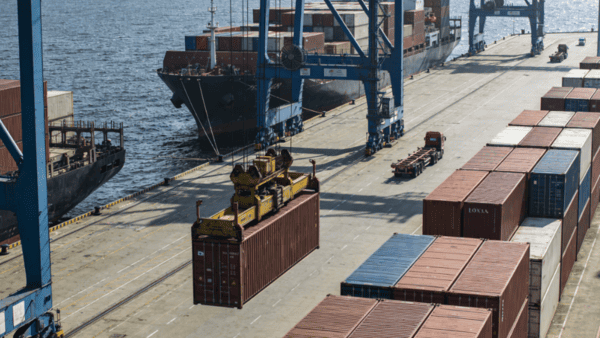
What core definitions define maritime container OWS surcharge rules?
Maritime container OWS surcharge frameworks rely on standardized carrier payload metrics to distinguish compliant cargo from overweight shipments subject to additional fees. Three core weight indicators support consistent overweight charge implementation across global ocean freight networks.
Ocean carriers develop independent container payload limit protocols based on vessel stowage capacity, shore crane load specifications, and chassis bearing tolerances. Unlike inland road weight regulations, maritime OWS compliance focuses on container gross mass and stowage stability rather than single-axle pressure, forming a rule system tailored exclusively for ocean container logistics.
A common mistake is confusing container factory-rated maximum weight with carrier-enforced operational payload limits. Many machinery shippers reference manufacturing design parameters without reviewing carrier-specific lane restrictions, which tends to generate unplanned OWS Overweight Surcharge fees post-booking and post-loading.
According to Drewry 2024 global container tariff research, approximately 78% of mainstream ocean carriers apply differentiated overweight thresholds for 20ft and 40ft general dry containers, with payload caps adjusted according to specific trade lanes and vessel tonnage specifications.
How do carrier payload limits differ for standard container types?
Ocean carriers adopt segmented payload limitation policies for different container specifications, which serve as key judgment indicators for triggering mandatory OWS Overweight Surcharge on heavy machinery cargo. Weight compliance criteria vary across conventional container sizes and specialized equipment types.
What are typical payload thresholds for 20ft dry containers?
20ft dry containers are commonly deployed for regional short-sea heavy machinery transportation with relatively stringent carrier payload control rules. Weight restrictions for this container type remain rigorous due to concentrated cargo mass distribution within limited internal space.
Most mainstream carriers set compliant gross weight scopes between 18 and 20 metric tons for standard 20ft dry container shipments. Cargo exceeding these boundary values triggers tiered OWS charging mechanisms calculated by excess weight volume. Heavy industrial machinery often surpasses these thresholds due to high material density and compact loading characteristics.
Recent carrier policy updates reflect consistent enforcement of these limits for heavy equipment cargo. According to Maersk 2025 tariff notices, 20ft dry containers with verified gross mass above 20 metric tons incur formal heavy weight surcharges on multiple Asia-Pacific trade lanes, aligning with universal OWS assessment standards.
What are typical payload thresholds for 40ft series containers?
40ft dry and high-cube containers feature expanded internal capacity and moderate payload flexibility while remaining subject to carrier-specific overweight compliance protocols. Extended container structures create distinct deck stowage pressure distribution compared with smaller container units.
Most international carriers recognize 26 to 30 metric tons as the standard compliant gross weight range for 40ft container cargo. Although these thresholds allow heavier loading than 20ft containers, oversized industrial machinery frequently exceeds acceptable limits, contributing to regular OWS surcharge occurrences in heavy equipment ocean shipping.
Do special container types have unique OWS weight rules?
Open-top and flat-rack containers dedicated to oversized machinery transport operate under independent payload limitation frameworks. Though engineered for heavy cargo carriage, these specialized units follow carrier-specified maximum operational weights to sustain vessel navigation stability.
Forwarders should note that overweight standards for special containers do not always match dry container regulations. Multiple major carriers implement dynamic weight control mechanisms for flat-rack machinery cargo, as uneven weight distribution increases stowage complexity and operational risks during maritime transit.
Why do carriers enforce independent payload limits for OWS calculation?
Ocean carriers maintain independent threshold-setting authority for container payloads to balance maritime operational safety, equipment maintenance expenditures, and fleet resource utilization. These proprietary protocols form the foundational basis for standardized maritime OWS surcharge collection.
Mitigate vessel stowage safety hazards: Overweight containers disrupt balanced vessel load distribution and elevate structural hull stress during long-haul voyages. Carriers apply OWS charges to offset risk management costs associated with unstable stowage of heavy machinery cargo.
Compensate for terminal equipment depreciation: Ultra-heavy containerized machinery imposes incremental load on shore cranes, container handlers, and terminal operational equipment. Repeated handling of overweight cargo accelerates equipment aging and raises routine maintenance costs for port terminals.
Offset elevated voyage fuel consumption: According to UNCTAD 2025 maritime logistics statistics, container vessels transporting overweight cargo record 6% to 12% higher fuel consumption per nautical mile compared with standard-weight cargo, increasing baseline voyage operational expenditures.
Optimize industry heavy cargo shipping order: Differentiated OWS regulatory frameworks encourage shippers to standardize weight declaration and cargo loading practices. This approach reduces clustered heavy cargo stowage that undermines vessel loading efficiency and transit stability.
What risk scenarios trigger mandatory OWS surcharge bills for machinery cargo?
Heavy industrial machinery maritime shipments encounter multiple high-risk scenarios that activate carrier mandatory OWS Overweight Surcharge assessments throughout the logistics workflow. Most unplanned surcharge expenses stem from insufficient pre-shipment compliance verification and mismatched regulatory awareness.
Inaccurate weight declaration before shipment
Many machinery shippers rely on theoretical equipment weight data for booking declarations instead of actual post-loading gross mass measurements. Auxiliary accessories, fixing hardware, and protective packaging often increase total container weight beyond declared values, resulting in post-loading OWS fee assessments.
Cross-carrier rule mismatch on multi-segment routes
Intermodal transportation involving multiple carriers incorporates overlapping weight compliance standards from different operators. Cargo compliant with the initial carrier’s payload regulations may exceed threshold requirements of subsequent carriers, leading to segmented OWS surcharge imposition during transit handover processes.
Periodic carrier policy iteration adjustments
Several carriers revise container payload limits during peak shipping seasons to improve fleet turnover and operational efficiency. Temporary tightened weight protocols can render originally compliant heavy machinery cargo eligible for overweight surcharge evaluation within designated policy windows.
A common mistake is assuming carrier payload limitation rules remain static across calendar periods. Seasonal policy revisions and trade lane-specific adjustments frequently modify OWS judgment criteria without prominent public announcements, creating unanticipated cost exposure for forwarding businesses.
What operational impacts do unplanned maritime OWS charges bring?
Unpredicted OWS Overweight Surcharge fees generate quantifiable financial and operational influences on forwarding enterprises focusing on heavy industrial machinery ocean transportation, affecting project profitability and long-term service reliability.
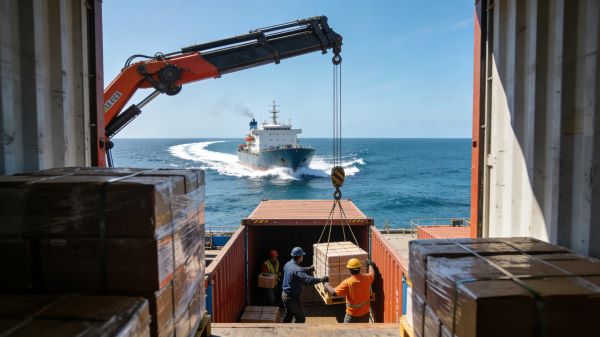
Financial cost and profit impacts
Machinery shipping projects feature high per-order cargo value and sophisticated cost accounting structures. Unbudgeted overweight surcharges reduce net profit margins and may trigger client billing discrepancies if supplementary fee clauses are not specified in formal quotation documents.
Logistics efficiency and operational impacts
Unplanned overweight discrepancies cause container detention after stuffing, requiring cargo volume adjustment, booking document revision, and stowage plan reconfirmation. These corrective operations extend typical logistics cycles by one to two working days for heavy machinery shipments.
According to Freightos Baltic Index 2025 container tariff data, unplanned overweight surcharges rank among common unexpected cost items for industrial equipment ocean freight, introducing variable factors for cost control on medium and large cross-border machinery transportation projects.
How can forwarders avoid unnecessary OWS surcharges for machinery shipments?
Structured pre-shipment weight management and carrier regulation verification help reduce redundant maritime OWS Overweight Surcharge expenditures for heavy machinery container shipments. Standardized operational workflows improve overall cargo compliance levels.
The recommended approach is one of the commonly adopted industry solutions, implementing full-cycle weight verification and rule matching workflows for all heavy industrial machinery container freight prior to stuffing and booking submission.
Verify real-time carrier payload limits by trade lane: Confirm updated overweight threshold rules from designated carriers based on specific shipping routes, container categories, and voyage schedules, with focused review on seasonal temporary adjustment clauses and special cargo restrictions.
Conduct on-site actual weight measurement: Replace theoretical weight estimation methods with professional container weighing procedures to validate total gross mass of fully stuffed units, ensuring consistency between declared data and physical cargo weight.
Optimize machinery loading and packaging configurations: Mitigate overweight risks through multi-container cargo allocation or disassembled packaging for ultra-heavy single-container shipments. Rationalize internal cargo layout to prevent excessive weight concentration and meet carrier payload compliance standards.
Negotiate overweight policy terms in advance: For recurring heavy cargo cooperation projects, forwarders can engage with carrier account teams beforehand to negotiate stable overweight threshold standards and batch OWS charging preferences for long-term business partnerships.
Forwarders should note that proactive compliance checking and weight optimization deliver consistent cost control benefits compared with post-incident fee negotiation efforts. Stable compliance performance supports forwarding firms in maintaining steady competitiveness within the professional machinery logistics market.
How do carrier payload limits shape maritime OWS charging standards?
Carrier-defined container payload limits serve as authoritative judgment benchmarks for maritime OWS surcharge imposition, unifying operational safety specifications and commercial charging norms for global heavy container cargo transportation.
Standardized payload threshold systems reduce inconsistent charging practices across the industry and provide transparent cost calculation foundations for cross-border machinery freight transactions. Reasonable OWS regulatory frameworks support standardized development of global heavy industrial equipment maritime logistics services.
In summary, proficiency in distinguishing carrier-specific container payload limits supports effective avoidance of mandatory overweight fees for machinery ocean freight. Comprehensive knowledge of What is OWS Overweight Surcharge allows forwarders to develop precise cost budgets, sustain shipment compliance, and deliver stable professional services for global heavy machinery shippers.

Last
Pre planning intermodal rail clearance restrictions for oversized pallets by reviewing blueprint variations in 45hq container internal dimensions
Intermodal shipping integrating ocean and rail transport commonly encounters pallet dimensional mismatch issues, and scientific pr
Next
A freight forwarder operational survival guide to auditing client cargo valuation parameters to avoid heavy DDP duty payment risk at destination losses
Improper client cargo valuation declarations stand as a prominent trigger of DDP Duty Payment Risk at Destination, exposing global