




An updated fca vs port fob delivery point comparison provides reliable decision support for forwarders to build standardized risk management frameworks for international ocean consolidation freight. Ocean consolidation cargoes involve multiple shippers, segmented inland deliveries and unified terminal loading procedures, creating layered liability risks throughout pre-carriage and port operations. Professional term-based risk segmentation helps forwarding firms stabilize operational quality and reduce commercial disputes in mixed-container shipping businesses.
Cross-border small-batch and fragmented orders have maintained steady growth in recent years, driving consistent demand for ocean consolidation services. According to WTO 2024 Global Trade Outlook and Statistics, global merchandise trade volume achieved a year-on-year growth of 2.7%, with fragmented containerized shipments occupying a notable share of mainstream ocean freight businesses. Most small and medium-sized export enterprises rely on flexible inland delivery and terminal handover arrangements, making accurate FCA and port FOB differentiation a core part of standardized consolidation freight operations.
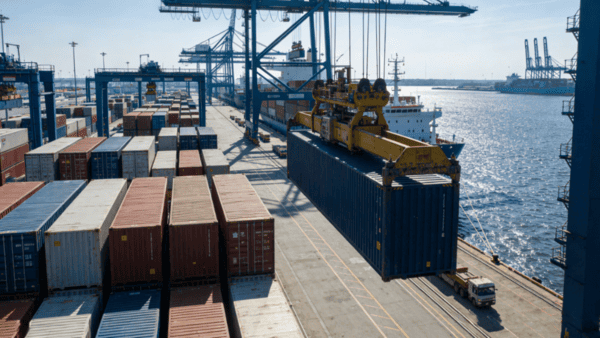
What unique risk features define ocean consolidation freight?
Ocean consolidation freight refers to a mainstream logistics model that consolidates cargoes from multiple independent shippers into one full container for unified ocean carriage, with risk profiles distinct from full-container loads. These differentiated risk features require targeted Incoterm application and segmented liability control by freight service providers.
Full-container shipping usually involves one single shipper with unified inland transportation and port scheduling arrangements. In contrast, consolidation freight integrates goods from multiple suppliers with separate inland transit routes, delivery timelines and warehouse handover standards. This multi-party integration mode concentrates operational uncertainties in cargo handover, terminal storage and cost allocation stages.
Forwarders should note that most commercial disputes in consolidation freight arise from ambiguous risk transfer boundaries instead of routine operational errors. Inconsistent delivery point definitions often trigger cross-liability conflicts among shippers, forwarders and overseas consignees within one consolidated container.
How do FCA and Port FOB terms adapt to varied consolidation scenarios?
FCA and port FOB Incoterms set different delivery locations and risk transfer rules that match diverse ocean consolidation operation scenarios. Clarifying their applicable conditions assists forwarders in classifying client cargoes and formulating tiered risk control strategies.
FCA inland handover fits scattered multi-origin consolidation: FCA rules allow cargo handover at inland premises such as factory warehouses and inland freight depots, which suits consolidation cargoes collected from geographically dispersed suppliers. Cargo-related risks transfer to the buyer or appointed carrier immediately after successful inland handover, separating individual shipper liabilities effectively.
Port FOB handover suits centralized port consolidation: Port FOB requires cargo delivery and risk settlement at designated shipment ports, with risk transfer taking effect only after vessel loading. This unified port-based operation model aligns with centralized consolidation projects with concentrated cargo delivery schedules and fixed port operation procedures.
Warehousing liability allocation varies between two terms: A common mistake is applying identical risk standards to port temporary storage for both FCA and FOB cargoes. FCA shifts post-handover port warehousing risks to buyers, while port FOB retains such liabilities with exporting shippers before vessel loading completion.
According to UNCTAD 2024 Maritime Transport Review, container cargoes detained at port terminals present higher loss exposure compared with direct shipment cargoes due to prolonged storage and handling links. The inconsistent risk retention cycles of FCA and port FOB serve as key factors influencing the operational stability of consolidation freight projects.
What operational loopholes exist in conventional consolidation risk management?
Conventional ocean consolidation freight management often adopts unified operational standards without distinguishing FCA and port FOB term differences, resulting in systematic risk loopholes. These loopholes contribute to frequent liability disputes and unplanned logistics expenditures in daily business operations.
Mixed liability allocation for multi-shipper consolidated cargoes: Many forwarding teams apply unified terminal management rules to all consolidation cargoes regardless of Incoterm types. This practice leads to unreasonable liability overlap, where FCA shippers bear port operational risks that should be allocated to overseas buyers.
Unreasonable insurance coverage configuration: A common mistake is purchasing unified full-process insurance coverage for all cargoes in one consolidated container. FCA cargoes do not require continuous insurance protection for port warehousing stages after inland handover, which creates unnecessary insurance costs for export clients.
Ambiguous loss attribution for transit delays: Port congestion and voyage schedule adjustments remain common in current global shipping markets. Traditional management mechanisms fail to distinguish delay liability boundaries between FCA and port FOB terms, causing confusion in loss compensation allocation for delayed consolidation shipments.
Forwarders should note that term-based classified risk management can resolve most conventional liability disputes in consolidation freight businesses. Optimizing management systems based on delivery point differences has become a necessary upgrade for forwarding enterprises to adapt to evolving global logistics demands.
How to establish differentiated risk management frameworks via term comparison?
Scientific risk management for ocean consolidation freight relies on process optimization guided by systematic fca vs port fob delivery point comparison results. Forwarders can enhance overall risk resistance through segmented control of cargo handover, terminal warehousing, vessel loading and emergency response procedures.
Implement classified cargo filing by Incoterm category: The recommended approach is to set up independent file management modules for FCA and port FOB consolidation cargoes. Teams should mark risk transfer nodes, terminal cost responsible parties and insurance coverage scopes separately to avoid mixed and disordered operational management.
Adopt tiered cargo supervision cycles: For FCA consolidation cargoes, active on-site supervision can be terminated after inland handover, with only document tracking and status recording retained. For port FOB cargoes, full-cycle supervision covering port entry, temporary storage and vessel loading is required until cargo stowage completion.
Build differentiated emergency response workflows: Forwarders need to formulate targeted disposal plans for cargo damage, shortage and schedule delays. Abnormalities occurring after FCA inland handover are managed by buyer-side carriers, while forwarding teams undertake full-process emergency coordination for port FOB cargoes before loading completion.
Standardize segmented cost settlement rules: Teams should separate the settlement standards of terminal handling charges, container detention fees and warehousing fees for FCA and port FOB cargoes. This method avoids cross-subsidy of operational costs among different shippers in the same consolidated container.
According to Drewry 2024 global freight operational research data, forwarding enterprises that adopt Incoterm-segmented management record lower operational loss ratios compared with teams using unified management modes. Refined risk classification effectively improves operational stability and comprehensive profitability of consolidation freight businesses.
What operational advantages does term-based risk management bring to forwarders?
Risk management strategies differentiated by FCA and port FOB delivery rules deliver multi-dimensional operational and service improvements for forwarding enterprises focusing on consolidation freight. This management mode standardizes business workflows and strengthens long-term client cooperation stability.
Reduce controllable operational risk exposure: Differentiated management clarifies the service scope and liability boundary of forwarders in consolidation projects. It helps enterprises avoid passive compensation losses arising from undefined risk allocation in mixed multi-shipper cargo operations.
Enrich customized client service capabilities: Forwarders can provide targeted cost optimization and risk mitigation suggestions based on Incoterm attributes. FCA clients obtain effective risk cut-off solutions for inland logistics, while port FOB clients access full pre-shipment risk management support.
Optimize enterprise operational cost structures: Accurate insurance configuration and standardized cost settlement reduce redundant service expenditures. Refined management methods help stabilize profit margins of consolidation freight businesses in competitive market environments.
The global freight market has witnessed intensified service homogenization in recent years. Extensive and unified operational modes can no longer match the diversified and refined demands of modern cross-border consolidation freight. Standardized term-based risk control has become one of the commonly adopted approaches for forwarders to improve service competitiveness.
How to integrate delivery point comparison results into daily consolidation operations?
Forwarders need to translate professional fca vs port fob delivery point comparison results into executable daily operational specifications to form stable and standardized risk management capabilities. Full-process implementation in quotation, contract signing and cargo operation stages ensures sustainable risk control effects.
During the client quotation phase, forwarders should explicitly specify risk transfer timing and cost-bearing subjects corresponding to FCA and port FOB terms. Transparent term interpretation enables shippers to select suitable delivery modes based on their actual risk tolerance and budget plans.
In the contract confirmation stage, standardized written clauses are required to clarify FCA inland handover boundaries and port FOB loading risk standards. A common mistake is using vague contractual wording, which creates hidden risks for liability disputes when cargo abnormalities occur.
In daily cargo execution, frontline operational staff must follow tiered management specifications strictly. Real-time cargo tracking and abnormal event filing ensure full traceability of risk links, providing valid evidence for subsequent liability judgment and dispute settlement.
The iterative improvement of international ocean consolidation freight risk management systems relies on continuous application of updated fca vs port fob delivery point comparison outcomes. In-depth understanding of risk and cost differences between two delivery mechanisms enables global forwarders to build more rigorous, compliant and practical risk management systems, further enhancing the overall professionalism and operational safety of cross-border consolidation freight services.

Last
Essential supporting document checklists needed to accelerate a manufacturing vendor custom clearance export license and application process
Standardised and complete document preparation serves as the foundational pillar of the Export License Application Process for man
Next
Checking chemical laboratory testing dates to ensure the commercial hazardous msds profile maintains regulatory validity for dangerous goods classification
MSDS Validity for Dangerous Goods serves as a core compliance benchmark that global freight forwarders prioritize to mitigate regu

