




What is LSS Low Sulfur Surcharge? This prevalent ocean freight line item is a standard carrier surcharge designed to offset incremental vessel operational costs linked to low-sulfur fuel compliance under international maritime environmental regulations. For cost-sensitive supply chain managers and global freight forwarders, a clear understanding of this fee supports precise budget planning, systematic freight auditing, and stable cross-border logistics cost management in daily shipping operations.
What official environmental rules mandate the LSS Low Sulfur Surcharge?
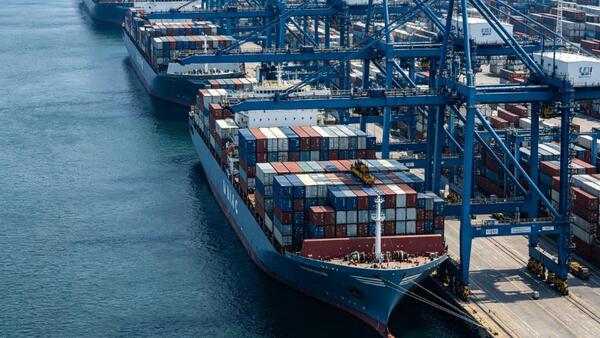
International Maritime Organization (IMO) sulfur emission control regulations form the core compliance framework for Low Sulfur Surcharge (LSS) implementation across global maritime trade lanes. These unified international standards reduce regional regulatory inconsistencies and drive vessel operators to adopt low-emission fuel solutions to mitigate marine atmospheric pollution.
The foundational regulatory basis for LSS derives from IMO’s MARPOL Annex VI, the primary international convention governing ship-related air pollution and marine fuel sulfur content restrictions. Progressive regulatory revisions have tightened sulfur emission thresholds for commercial vessels operating in ecologically sensitive maritime zones globally.
How do ECA sulfur cap rules shape LSS implementation?
Emission Control Areas (ECAs) are designated maritime zones with stricter sulfur emission requirements compared to open ocean waters. Active global ECAs cover the North Sea, Baltic Sea, North American coastal waters, and the Mediterranean Sea, which joined the ECA list in May 2025 following official IMO regulatory updates.
Vessels navigating within ECA boundaries are required to use marine fuel with a maximum sulfur content of 0.1%, a notable reduction from the previous 1.0% threshold. This strict fuel standard raises direct bunker costs for carriers operating ECA-transiting routes, creating the core cost pressure that justifies LSS imposition.
What sulfur standards apply to open ocean shipping routes?
For voyages outside official ECA zones, the global marine fuel sulfur cap remains set at 0.5%, enforced since IMO’s 2020 global sulfur regulation update. This two-tiered sulfur control system differentiates fuel costs between nearshore ECA routes and open ocean routes, forming a tiered pricing basis for LSS charges.
According to UNCTAD 2025 Review of Maritime Transport data, layered sulfur compliance regulations have lifted average carrier fuel expenditures by 12–18% for ECA-transiting voyages compared to traditional high-sulfur fuel operations. This verifiable cost increase motivates most global liner carriers to apply LSS as a compliant cost-pass-through mechanism for shippers and forwarders.
Forwarders should note that regional maritime authorities and port administrations enforce IMO sulfur rules with rigorous inspection protocols. Vessels operating non-compliant fuel in ECA waters face financial penalties, temporary vessel detention, and administrative sanctions, bringing substantial operational and financial risks to carriers and their supply chain partners.
Why do cost discrepancies emerge in LSS line item charges?
LSS pricing variations across carriers and trade lanes result from fluctuating low-sulfur bunker fuel prices and diverse operational overheads for ECA-compliant voyages. As a market-adjustable surcharge rather than a fixed freight rate, LSS values shift alongside fuel market trends and regulatory adjustments.
A common mistake is treating the LSS Low Sulfur Surcharge as a uniform fee applicable to all global shipping routes and carriers. Many cost-focused supply chain teams overlook incremental ECA expansions and real-time bunker market volatility, which can lead to biased budget estimations and unplanned logistics cost increments.
How do fuel price gaps affect baseline LSS costs?
Very Low Sulfur Fuel Oil (VLSFO), the primary compliant fuel for ECA navigation, maintains a steady price premium over conventional High-Sulfur Fuel Oil (HSFO). According to Ship & Bunker 2026 quarterly port fuel monitoring data, VLSFO prices at major global hub ports stand 65–75% higher than HSFO prices, creating a consistent cost gap that shapes baseline LSS tariff levels.
How do regulatory expansions influence LSS coverage?
Gradual ECA expansion broadens the scope of voyages eligible for LSS application. The Mediterranean ECA launch in May 2025 requires full low-sulfur fuel adoption for all coastal transits in the region. Per public tariff announcements from major liner carriers in 2026, average LSS fees for Mediterranean routes range from $17 to $25 per TEU for standard container shipments.
Voyage distance within ECA zones also impacts final LSS charges. Longer ECA transit durations correspond to higher low-sulfur fuel consumption, leading to moderately elevated surcharge fees for extended coastal and regional shipping routes.
How do carrier operational strategies differentiate LSS pricing?
Large-scale liner carriers often secure low-sulfur fuel via long-term bulk procurement contracts, which helps stabilize fuel costs and support relatively moderate LSS pricing. Smaller regional carriers with limited procurement scale typically apply higher LSS rates to cover their full compliance expenditures.
Vessels fitted with certified exhaust gas scrubber systems present another variable. These vessels can operate with HSFO in ECA zones while meeting emission standards, allowing carriers to reduce or waive LSS charges for scrubber-equipped vessel voyages.
The recommended approach is to categorize LSS expenditures by shipping route, cooperating carrier, and ECA transit scope instead of adopting generalized cost estimations. This granular analytical method improves budget accuracy and helps forwarders identify feasible cost optimization opportunities for client shipments.
How do forwarders verify legitimate LSS charges on shipping invoices?
Standardized LSS invoice verification helps logistics practitioners screen for inappropriate billing, duplicated charges, and non-compliant surcharge entries in ocean freight documents. Structured inspection workflows support stable cost control and transparent collaboration between forwarders, shippers, and carriers.
Confirm ECA route applicability: Practitioners need to verify whether the scheduled shipping lane covers officially designated IMO ECA zones. Voyages limited to open ocean navigation only require basic global sulfur compliance, without full ECA-level LSS fees. Cross-referencing updated IMO ECA geographic lists supports accurate charge validation.
Check carrier official tariff benchmarks: Licensed shipping carriers publish updated LSS tariff schedules on official platforms or through authorized agent channels. Per Drewry 2025 global shipping tariff analysis, mainstream carrier LSS fees for ECA routes range from $15 to $52 per TEU. Charges deviating far from this common range require formal inquiry and written verification.
Avoid duplicated environmental surcharge billing: One of the frequently observed billing errors involves simultaneous imposition of LSS and separate ECA fuel surcharges for the same voyage. Standard carrier tariff frameworks exclude overlapping environmental fee items, so duplicated entries require timely correction and reconciliation.
Verify vessel emission compliance equipment: Forwarders may confirm whether the serving vessel carries approved exhaust scrubber facilities. Vessels with valid scrubber certification are exempt from mandatory VLSFO switching in ECA zones, making standard LSS charges inapplicable for these voyages.
Forwarders should note that systematic LSS verification workflows help reduce avoidable financial losses and elevate service professionalism for corporate shipper clients. In recent years, cost transparency has become one of the common competitive priorities for global forwarding enterprises amid tightened supply chain budget management.
What long-term supply chain impacts does LSS regulation bring?
Iterative updates to low-sulfur fuel compliance rules and corresponding LSS mechanisms drive structural adjustments to global maritime logistics cost models. Supply chain participants need to adopt adaptive long-term operational strategies to accommodate evolving green shipping requirements.
How do compliance cost trends reshape logistics budgeting?
According to UNCTAD 2025 Review of Maritime Transport statistics, global maritime environmental compliance costs have grown at an average annual rate of 9.7% since 2023. Low-sulfur fuel-related surcharges account for over 40% of incremental green logistics expenses in international ocean shipping.
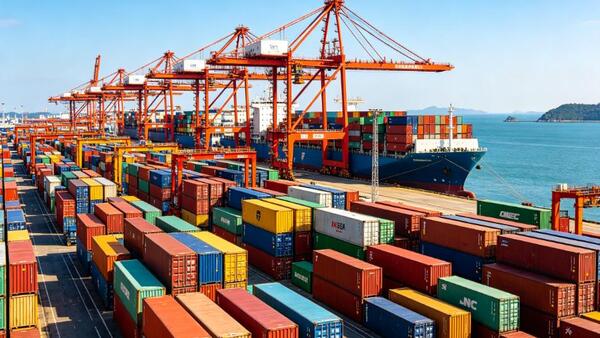
This steady cost growth indicates that LSS will remain a recurring, market-adjustable line item for ECA-transiting shipments, rather than a short-term regulatory charge. Traditional fixed annual freight budget models struggle to adapt to dynamic LSS fluctuations linked to fuel market shifts and policy updates.
What operational differences exist between carrier fleets?
Fleets with widespread scrubber installations maintain relatively stable compliance costs and lower LSS exposure. In contrast, fleets relying entirely on low-sulfur fuel face ongoing cost volatility driven by fluctuating VLSFO market prices. This operational gap creates differentiated cost advantages for various carrier service portfolios.
The recommended approach for sustainable supply chain risk management is to establish a regular maritime policy and surcharge monitoring routine. Forwarding teams can track IMO policy revisions, ECA expansion progress, and global bunker fuel price trends on a monthly basis, to support proactive client cost forecasting and flexible logistics solution tuning.
How does LSS align with global green shipping policies?
Low-sulfur surcharge mechanisms align with major international decarbonization initiatives, including the EU Emissions Trading System (EU ETS) and IMO’s mid-term net-zero shipping development framework. These interconnected green policies promote standardized and transparent environmental charge systems across global maritime networks.
Per OceanScore 2026 industry assessment, full EU ETS implementation will bring additional emission-related cost pressure for international shipping, making structured management of environmental surcharges such as LSS increasingly essential for stable supply chain operation.
In summary, understanding What is LSS Low Sulfur Surcharge, along with its regulatory origins, market-driven pricing logic, and long-term industry implications, enables global freight forwarders and cost-sensitive supply chain managers to optimize cost control, mitigate billing risks, and deliver reliable, compliant logistics services within the evolving green shipping landscape.
Last
How extreme terminal vessel dwell times force an ocean liner line to apply an emergency PCS fee via sudden port congestion surcharge calculation
PCS Port Congestion Surcharge Calculationacts as the standardized pricing mechanism that ocean carriers adopt to formulate emergen
Next
Auditing supplier customs profile declarations to verify compliance during a government dual use export license application process
The export license application process for dual-use goods and technologies requires rigorous governmental regulatory review, where

