




Professional verification of container internal wall structural integrity based on standard flexitank installation guidelines serves as a vital pre-loading procedure to mitigate physical damage risks during bulk liquid container transportation. Recent growth in container recycling volumes and volatile maritime transit environments has raised structural defect probabilities for aged shipping containers. According to UNCTAD 2024 maritime review data, container structural failures linked to repeated equipment reuse constitute a notable share of liquid cargo insurance claims across global bulk logistics networks.
Why container internal wall integrity matters for flexitank shipping safety
Container internal wall panel integrity covers surface smoothness, structural stability and defect-free conditions of side walls, end walls and corner panels, forming the core structural foundation for reliable flexitank deployment and liquid cargo containment.
Most liquid leakage and cargo contamination issues detected at destination terminals do not stem from manufacturing defects of flexitank products. Forwarders should note that untreated wall structural defects represent common hidden hazards that induce membrane abrasion and structural rupture during transoceanic voyages.
Fully loaded flexitanks generate continuous outward expansion pressure against container inner walls. Minor protrusions, loose panels and residual rust burrs create fixed stress points, which gradually damage flexitank membranes under persistent vibration and fluid sloshing throughout transit.
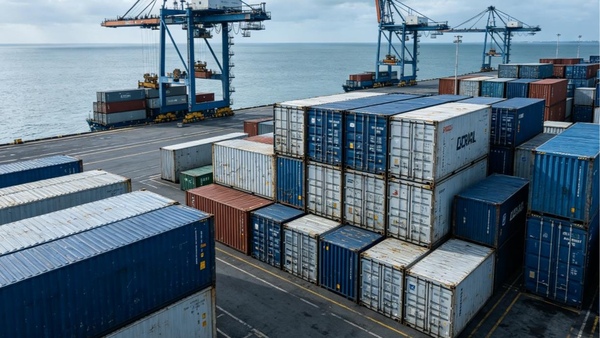
What common internal wall defects threaten flexitank transportation
Recycled shipping containers widely adopted in bulk liquid logistics accumulate structural defects from previous dry cargo operations and long-term maritime exposure. These residual flaws tend to cause irreversible abrasion and structural damage to deployed flexitank units.
What typical wall panel issues appear in aged containers
Most internal container structural defects remain unnoticeable during basic visual checks and require systematic standardized vetting before liquid cargo loading operations.
Protruding welding seams and metal burrs: Irregular welding residues and unpolished metal burrs remain on container side walls after multiple loading cycles. Sharp surface textures scratch and abrade flexitank membranes under liquid expansion and vessel vibration.
Loose and deformed wall panels: Long-term container stacking and heavy cargo compression lead to local panel bulging and structural loosening. Deformed wall sections create uneven contact surfaces with flexitank bodies during transit movements.
Rust spots and corroded peeling layers: Humid offshore environments trigger gradual surface rusting and coating peeling on container inner walls. Detached rust particles generate continuous friction against flexitank surfaces and induce micro seepage risks.
Residual nail holes and damaged grooves: Historical fixture installation leaves tiny holes and irregular grooves on wall panels. These defective areas gather structural stress and expand progressively as flexitanks expand under full-load conditions.
How wall panel defects trigger cargo damage and logistics disputes
Container internal wall defects interact continuously with flexitank systems during ocean transits. Minor surface friction gradually develops into membrane rupture and liquid leakage under dynamic maritime mechanical loads.
A common mistake is prioritizing flexitank quality inspection while neglecting container wall condition verification, which results in preventable cargo losses and post-arrival liability disputes.
What loss chains result from uninspected wall defects
Unrectified wall panel defects trigger cascading operational losses, influencing cargo quality retention, container reuse value and long-term corporate logistics credibility.
Gradual flexitank membrane rupture: Sharp wall textures create sustained friction against expanded flexitank surfaces. Minor scratches expand into penetrating cracks under cyclic vessel rolling, leading to gradual liquid seepage.
Bulk liquid cargo contamination: Rust debris, metal particles and wall coating residues fall into stored liquid cargoes. External impurities reduce liquid purity and may render industrial and food-grade liquids incompatible with commercial circulation standards.
Post-arrival container secondary damage: Uncontrolled liquid leakage exacerbates corrosion on unprotected wall structures. Secondary corrosion accelerates container aging and raises terminal maintenance expenditures.
Avoidable cargo claim negotiations: Wall-induced cargo damage leads to shipper compensation requests. Ambiguous liability division increases negotiation costs and weakens stable long-term cooperative relationships.
What core vetting standards does flexitank installation guidelines define for walls
Industrial flexitank installation guidelines establish unified internal wall inspection benchmarks, specifying structural, surface and cleanliness requirements for containers used in non-hazardous bulk liquid transportation.
The recommended approach is to divide wall vetting procedures into structural integrity verification, surface smoothness inspection and cleanliness evaluation to form multi-angle risk control.
Three core wall inspection dimensions in official guidelines
Containers selected for flexitank loading need to meet three systematic inspection dimensions specified in industrial installation specifications to secure basic transit safety conditions.
Structural integrity verification: Wall panels, corner posts and end wall structures need to maintain stable and intact status. Loose deformation, excessive depression and structural fracture are not acceptable for liquid shipment containers.
Surface smoothness standard check: Inner wall surfaces require flat and uniform texture. All sharp protrusions, welding burrs and raised textures that may contact flexitank membranes need thorough polishing and removal.
Internal cleanliness and dryness assessment: Wall surfaces should be free of accumulated dust, rust residues, chemical contaminants and residual moisture. Dry and clean inner environments reduce cargo pollution and material aging probabilities.
How to implement standardized wall integrity vetting before liquid loading
Pre-loading wall integrity vetting represents a systematic inspection and rectification workflow executed before formal flexitank deployment. This procedure eliminates structural hidden dangers by following standardized flexitank installation guidelines.
What step-by-step operations ensure qualified wall conditions
Standardized operational protocols support on-site crews in completing high-precision wall inspection and defect rectification, adapting container conditions for long-distance maritime transit scenarios.
Full wall panoramic visual scanning: Inspect side walls, end walls and corner zones with comprehensive viewing angles. Mark deformed panels, rust coverage and protruding structures for targeted processing.
Manual touch friction inspection: Conduct sliding manual checks across all wall surfaces to identify tiny burrs and uneven textures invisible under conventional visual observation. Remove all sharp contact points completely.
Structural firmness tapping test: Tap wall panels at uniform intervals to detect loose and hollow structural areas. Reinforce or replace substandard panels before flexitank installation.
Professional polishing and cleaning rectification: Polish rough welding seams and sharp protrusions with professional tools. Clear residual wall debris to maintain smooth and dry inner wall conditions.
How to match protective layouts according to actual wall conditions
Containers with varying wall defect degrees and structural conditions require customized protective material layouts. Adaptive protection schemes compensate for minor structural deficiencies and lower transit damage risks.
Forwarders should note that condition-based protective matching improves the overall fault tolerance of flexitank shipping systems in complex sea conditions.
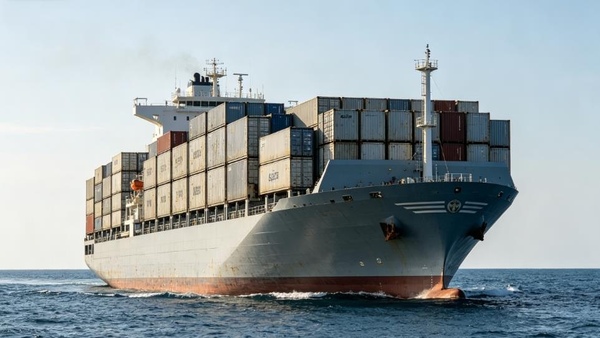
Adaptive protection strategies for different wall conditions
Targeted protection layout adjustment is one of the commonly adopted approaches to reduce cargo damage rates for second-hand containers with minor structural imperfections.
Full coverage protection for slightly aged walls: Lay complete buffer boards and protective liners on inner walls to isolate subtle uneven textures and reduce direct friction between wall surfaces and flexitank membranes.
Local enhanced protection for defective areas: Attach thickened anti-friction pads on marked rust zones and residual protrusion positions to strengthen localized buffer protection for high-contact risk areas.
Gap filling treatment for panel grooves: Fill irregular wall grooves with flexible buffer materials to smooth uneven surfaces and prevent concentrated structural stress on local flexitank areas.
Double-layer protection for high-risk containers: Deploy double-layer protective structures for containers with obvious wall aging to enhance anti-pressure and anti-abrasion performance during maritime transits.
Why pre-loading wall inspection optimizes long-term logistics operation
Consistent implementation of wall structural integrity vetting in line with flexitank installation guidelines improves container resource utilization and stabilizes service quality for bulk liquid logistics businesses.
In recent years, refined pre-loading container inspection mechanisms have assisted logistics enterprises in lowering cargo dispute frequencies within cross-border bulk liquid shipping segments.
Practical operational benefits of standardized wall vetting
Rigorous wall inspection and defect rectification workflows deliver multi-dimensional operational value for daily liquid logistics management and enterprise risk control systems.
Reduce flexitank consumption costs: Complete wall defect elimination reduces unnecessary membrane abrasion damage, lowers replacement frequency and cuts comprehensive packaging material expenditures.
Stabilize liquid cargo delivery quality: Clean and smooth wall environments minimize impurity contamination risks, supporting stable cargo quality throughout loading and transportation procedures.
Improve container reuse efficiency: Timely wall maintenance and protective treatment mitigate secondary structural damage, extend container service cycles and enhance asset utilization efficiency.
Optimize enterprise risk control system: Standardized pre-loading inspection forms traceable operational benchmarks, helping on-site teams develop normalized risk prevention habits.
Pre-loading vetting of container internal wall panel structural integrity acts as a core indispensable procedure within standardized flexitank installation guidelines, underpinning stable and secure containerized bulk liquid logistics operations. Systematic structural inspection, targeted defect rectification and customized protective layout design effectively mitigate hidden risks arising from container wall aging and structural deficiencies. Such refined pre-loading management protocols enable global forwarding enterprises to standardize liquid cargo shipping workflows, control transit damage probabilities and sustain steady service competitiveness in cross-border bulk liquid supply chain markets.
Last
Training warehouse crane operators on container deck weight distributions defining proper international open top container ot lashing requirements for overheight cargo
Professional training for warehouse crane operators on container deck weight distribution lays a solid foundation to implement com

Next
Preventing terminal container leakage liabilities during rough sea transits by training stuffing crews on strict flexitank container installation guidelines
Strict implementation of standard flexitank container installation guidelines via systematic stuffing crew training helps mitigate

