



A systematic non operating reefer explanation enables global forwarders to understand the commercial logic behind carrier seasonal discount policies with rigid booking constraints. NOR containers refer to idle refrigerated container units with cooling systems deactivated for dry cargo carriage, helping shipping lines optimize underutilized reefer assets amid cyclical market shifts. According to Drewry 2025 container shipping industry analysis, structured seasonal NOR discount frameworks are widely adopted by major carriers across trans-Pacific and Asia-Europe trade corridors to balance fleet efficiency and revenue stability.
What seasonal NOR booking terms do mainstream ocean carriers enforce?
Seasonal NOR booking terms are standardized contractual provisions designed by liner operators to regulate non-operating reefer reservation, cargo stowage, and equipment usage throughout fluctuating shipping cycles. These clauses standardize operational boundaries for forwarders applying for preferential NOR container rates.
Seasonal time window supervision: Carriers segment annual shipping cycles into peak and off-peak periods with differentiated NOR quota allocation rules. Peak seasons feature tighter quota supervision and moderate discount ranges, while off-peak periods release more flexible quotas with broader rate concessions. According to Freightos Baltic Index (FBX) 2024 cyclical shipping data, off-peak NOR quota availability rises by approximately 30% compared with peak operating months.
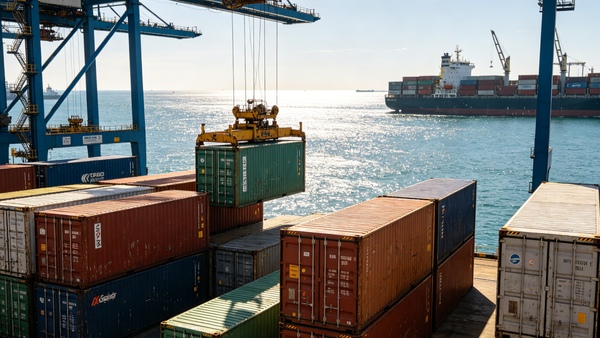
Dry cargo exclusive loading rules: A common mistake is mixing temperature-sensitive or moisture-prone commodities with general dry cargo in NOR units for cost-saving purposes. Most seasonal NOR booking contracts specify exclusive eligibility for non-perishable, low-hygroscopic dry goods, with standardized penalties for unauthorized cargo category substitution.
Fixed route and voyage binding rules: Forwarders should note that discounted seasonal NOR bookings are commonly tied to designated carrier routes and scheduled voyages. Unscheduled route adjustments or voyage rescheduling may trigger discount invalidation and supplementary freight charges, limiting operational flexibility to a certain degree.
Equipment damage liability provisions: The recommended approach is to conduct full pre-loading inspections in line with carrier equipment standards. Seasonal preferential NOR agreements contain refined damage assessment criteria, requiring booking parties to assume liability for insulation layer abrasion or structural damage caused by non-standard stowage practices.
Why do carriers impose strict constraints on discounted NOR bookings?
Ocean carriers implement restrictive seasonal NOR booking terms based on asset risk control and long-term operational revenue balancing requirements. Such provisions mitigate improper container usage that may raise equipment maintenance costs and operational risks.
Preserve high-value reefer container assets: Refrigerated containers involve higher manufacturing, maintenance, and depreciation costs compared with standard dry van units. Rigid booking constraints reduce irregular loading behaviors that erode internal insulation layers and residual refrigeration components, extending equipment service lifespans.
Optimize seasonal resource distribution: A common mistake among forwarders is bulk hoarding of discounted NOR quotas for speculative secondary trading. Carrier supervision mechanisms alleviate speculative resource occupation, ensuring limited preferential NOR capacity is distributed toward genuine long-term shipping demands.
Mitigate empty container repositioning expenditures: Forwarders should note that most preferential seasonal NOR quotas correspond to carrier empty container repositioning voyages. Route-binding clauses cut down additional cross-regional empty container transfer costs and improve global container fleet turnover efficiency.
Standardize post-season equipment recovery workflows: The recommended approach is to finish cargo discharge and container return within contract-specified timeframes. Unified return standards support carriers in converting idle NOR units back to functional reefer assets to meet rising cold chain demands in peak shipping cycles.
What commercial logic underpins carrier seasonal NOR discount strategies?
Carrier seasonal NOR discount policies derive from data-driven cost accounting and asset efficiency optimization rather than conventional market promotion tactics. This pricing mechanism aligns closely with authoritative non operating reefer explanation and contemporary liner asset management frameworks.
What idle asset pressures drive NOR preferential pricing?
According to UNCTAD 2025 maritime industry reports, global liner fleets hold substantial reefer container capacity with notable seasonal idle ratios. Cold chain shipping demand drops significantly in off-peak cycles, leaving large volumes of reefer units stranded at container yards.
Persistent idle equipment generates continuous yard storage fees, routine maintenance expenses, and progressive asset depreciation for carriers. Converting idle reefers into NOR containers for dry cargo carriage generates steady marginal revenue, offsetting fixed idle asset losses and improving overall fleet utilization rates.
How does repositioning cost reduction support discount margins?
Long-distance empty container repositioning constitutes one of the major fixed expenditures for global liner companies. Seasonal NOR booking schemes encourage forwarder cargo uptake on repositioning routes, reducing the need for unpaid empty vessel slot occupation and cutting holistic fleet operational costs.
How do seasonal market shifts influence NOR discount ranges?
Dynamic supply and demand changes in global container shipping markets drive periodic adjustments to carrier NOR discount margins. Market tension variations reshape asset allocation priorities and preferential policy intensity across different months.
Off-peak cycle discount expansion: During low-demand seasons spanning November to March, overall dry container supply exceeds market cargo volume, dragging down spot freight levels. Carriers expand NOR discount margins to attract stable dry cargo bookings, with preferential rates sitting 12%–18% below standard dry van tariffs per UNCTAD 2024 seasonal freight statistics.
Peak cycle discount moderation: A common mistake is expecting consistent deep discounts for NOR bookings throughout peak shipping periods. From May to October, rising cross-border trade volumes boost dry container occupancy rates, prompting carriers to adjust NOR discount ranges to 5%–10% to balance revenue returns and asset utilization.
Route-based discount differentiation: Forwarders should note that long-haul trans-Pacific and Asia-Europe routes feature relatively higher NOR discount margins than short-haul regional trade lanes. Extended voyage distances amplify idle asset opportunity costs, motivating carriers to release more favorable booking terms for sustained cargo cooperation.
Inventory-driven temporary preferential adjustments: The recommended approach is to monitor carrier regional container inventory data regularly. Excessive accumulation of idle reefer units in specific regional hubs often triggers temporary enhanced NOR discount policies to accelerate asset digestion and reduce yard occupancy pressure.
What operational advantages do compliant seasonal NOR bookings bring to forwarders?
Standardized, contract-compliant seasonal NOR booking practices help forwarding firms stabilize operational profit margins and enrich client service dimensions. Reasonable NOR deployment lowers client logistics expenditures while controlling contractual and operational risks.
Stable low-cost freight resource reservation: Long-term compliant seasonal NOR booking allows forwarders to lock in graded preferential freight resources across full-year cycles. This practice mitigates cost volatility caused by dry container supply tightness and market premiums during peak seasons, stabilizing client logistics budget planning.
Enhanced differentiated service capability: A common mistake is overlooking the service differentiation value of NOR container solutions in homogeneous logistics markets. Forwarders proficient in seasonal NOR discount rules can deliver cost-optimized shipping schemes for clients, supporting stable customer cooperation relationships.
Controlled asset liability exposure: Forwarders should note that full adherence to carrier seasonal booking terms minimizes equipment dispute risks and penalty charges. Standardized loading and return procedures sustain positive credit records with major liner carriers for long-term resource cooperation.
Diversified logistics solution portfolios: The recommended approach is to integrate seasonal NOR preferential resources into conventional dry cargo service packages. This method diversifies enterprise service scenarios and builds distinguishable operational advantages in competitive global freight markets.
What common operational risks affect seasonal NOR discount utilization?
While seasonal NOR preferential policies deliver measurable cost benefits, non-compliant operations and cognitive deviations may lead to economic losses and contractual disputes. Forwarders need to avoid typical industry pitfalls to maintain sustainable NOR resource application.
Speculative quota hoarding without practical cargo demand: Some forwarders reserve large NOR quotas in off-peak seasons for secondary trading gains. Such behaviors violate seasonal booking agreements, potentially resulting in quota revocation, credit record downgrades, and restricted access to future preferential resources.
Neglect of iterative seasonal term updates: A common mistake is applying fixed operational standards to all seasonal NOR bookings. Carriers revise partial clauses covering loading limits, return cycles, and applicable cargo scopes annually, making outdated operational habits a source of compliance risks.
Underestimation of NOR container spatial constraints: Forwarders should note that internal insulation structures and residual reefer components reduce NOR container effective loading capacity compared with standard dry vans. Failure to adjust stowage plans appropriately may cause inefficient space utilization or overloading issues.
Inappropriate cargo matching for preferential quotas: The recommended approach is to conduct strict cargo category screening prior to NOR booking. Loading humid, sharp-edged or temperature-sensitive commodities without approval may trigger carrier penalty clauses and the cancellation of applied freight discounts.
How will seasonal NOR booking and discount mechanisms evolve ahead?
The contemporary global shipping industry is advancing toward refined asset management and standardized contractual operations. Major ocean carriers continue iterating seasonal NOR booking mechanisms to adapt to evolving market supply and demand patterns.
According to WTO 2024 global merchandise trade statistics, international dry cargo trade maintains moderate steady growth, while cold chain shipping demand retains prominent seasonal fluctuation characteristics. This structural market feature sustains periodic idle reefer container capacity, supporting the continuous operation of seasonal NOR discount policies.
Carriers are expected to refine NOR booking terms and discount algorithms progressively, achieving more precise matching between idle reefer assets and dry cargo shipping requirements. For global freight forwarders, structured learning of professional non operating reefer explanation and seasonal preferential rules supports effective operational cost control and gradual service competency improvement in long-term market development.
Last
Preventing textile dust contamination claims during long ocean voyages by auditing the interior lining setup of a 20ft garment container goh structure
Interior lining condition acts as a vital protective barrier against textile pollution, serving as a core auditing item for standa
Next
Vetting terminal rigging crew qualifications to verify heavy machinery lashing matches international maritime flat rack container fr securing requirements
Professional vetting of terminal rigging crew qualifications acts as a core quality control procedure to ensure heavy machinery la