




What is CIC Container Imbalance Charge? It is a seasonally adjusted and location-specific marine surcharge linked to origin depot empty container shortages, creating variable cost fluctuations for global forwarders across alternating shipping cycles. Many logistics professionals categorize CIC merely as a standard carrier tariff item, overlooking its direct correlation with regional depot equipment inventory levels. This oversight contributes to inaccurate cost budgeting and recurring client billing discrepancies in routine ocean freight operations. Origin depot empty equipment shortfalls act as a primary driving factor for seasonal CIC rate adjustments, rewriting the practical charging standards defined in official carrier CIC billing protocols.
What Is the Core Link Between Origin Depot Deficits and CIC Charge Rules?
Origin depot empty equipment deficits describe insufficient empty container inventory at export depots that fails to satisfy local cargo booking demand, triggering structured CIC tariff adjustments from ocean carriers. Such regional inventory gaps form the foundational trigger for seasonal surcharge revisions within the global CIC Container Imbalance Charge billing framework.
Most liner carriers adopt dynamic CIC pricing mechanisms guided by real-time depot inventory analytics, rather than static annual tariff benchmarks. When export depots sustain prolonged empty container shortages, carriers incur incremental operational expenses to reposition idle containers from surplus maritime regions. These logistical overheads are factored into seasonal CIC rate increments applicable to local outbound shipments.
According to UNCTAD 2025 maritime transport review data, regional container inventory mismatches have grown more volatile in recent years. Export depot equipment deficits across major Asian manufacturing hubs expand by approximately 15% during conventional peak shipping windows, amplifying seasonal tariff instability across intra-Asia and transpacific trade lanes.
Forwarders should note that CIC rate increments seldom stem from broad global container shortages. Most adjustments derive from localized equipment imbalances at specific origin depots. Confusing regional inventory pressure with global supply trends remains a prevalent cause of flawed cost forecasting among freight operational teams.
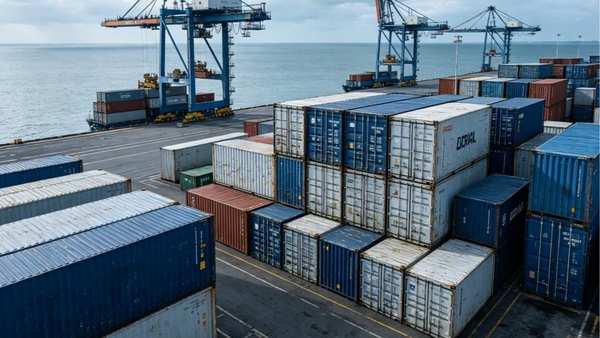
How Do Seasonal Shipping Cycles Reshape Origin Depot Equipment Supply?
Recurring seasonal shipping cycles alter outbound cargo throughput and empty container turnover velocity, disrupting inventory equilibrium at mainstream export depots. Periodic demand fluctuations generate predictable equipment shortfalls that drive iterative seasonal revisions to CIC tariff standards.
Peak season outbound cargo volume growth: Cyclical manufacturing production and retail pre-stocking activities generate concentrated export booking volumes at key origin depots. According to Shanghai Shipping Exchange 2025 freight statistics, Asian outbound container throughput rises by an average of 25% between August and October each year, rapidly depleting local empty container inventory and creating notable short-term equipment deficits.
Extended empty container repatriation cycles: Peak-season port congestion and prolonged terminal dwell times slow the circulation of empty containers returning to export depots. Delayed vessel turnaround and terminal processing workflows reduce equipment replenishment frequency, widening regional inventory gaps and prompting carriers to activate adaptive seasonal CIC adjustment protocols.
Off-peak inventory reallocation gaps: Reduced off-peak export demand coincides with proactive carrier fleet restructuring. Many carriers relocate idle container assets from low-demand origin depots to high-potential peak-season hubs in advance. This pre-emptive reallocation creates mild off-peak equipment deficits and occasional modest CIC tariff revisions.
Regional trade policy volatility: Periodic tariff policy revisions and cross-border trade activity shifts reshape regional cargo flow distributions. These market variations alter container utilization rates at individual origin depots, generating indirect impacts on equipment supply balance and seasonal CIC charging benchmarks.
A common mistake is that forwarding teams prioritize only publicly announced peak-season surcharge updates while disregarding off-peak CIC adjustments driven by depot inventory imbalances. This one-dimensional monitoring approach exposes freight businesses to unplanned operational costs during traditionally low-tariff periods.
What Unexpected Seasonal Costs Fall Under the CIC Billing Code?
Ocean carriers consolidate multiple inventory-deficit-related seasonal operational overheads under the unified CIC Container Imbalance Charge billing code, instead of listing these expenses as independent line items. These bundled seasonal costs constitute a major source of unbudgeted logistics expenditure for forwarders and their corporate clients.
Inter-regional emergency container repositioning overheads: When origin depots face equipment shortages, carriers execute urgent empty container redeployment from overseas surplus depots. Additional bunker consumption, vessel operational fees, and cross-terminal handling charges for emergency repositioning are integrated into seasonal CIC rate adjustments, per Drewry 2025 global shipping cost benchmark reports.
Third-party container leasing expenditures: To mitigate peak-season origin depot equipment shortages, carriers frequently source empty containers from third-party leasing providers to support ongoing export bookings. All temporary leasing and equipment administration costs are standardized into seasonal CIC tariff modifications for local outbound cargoes.
Priority container dispatching operational fees: During phases of substantial depot inventory pressure, carriers launch priority equipment allocation workflows to secure vessel loading schedules. Premium operational costs associated with these dispatching protocols are embedded within dynamic seasonal CIC pricing structures.
Inland container inventory transfer expenses: Pre-peak fleet optimization requires carriers to relocate stored empty containers from inland depots to port-side origin terminals. Handling and ground transportation fees for pre-season inventory reallocation are reflected in annual seasonal CIC tariff fluctuations.
The recommended approach is for forwarders to categorize seasonal CIC tariff increments as variable operational costs, rather than fixed statutory surcharges. This classification supports the development of precise client quotation frameworks and reduces profit erosion from unplanned seasonal logistics expenditures.
How Can Forwarders Predict CIC Seasonal Fluctuations From Depot Data?
Real-time origin depot equipment inventory data delivers practical reference indicators for forwarders to anticipate seasonal CIC Container Imbalance Charge variations. Structured and continuous data monitoring helps mitigate unplanned cost losses across fluctuating shipping cycles.
Track weekly depot inventory bulletins: Forwarders can retrieve official inventory updates from major port depot operators to trace equipment surplus and deficit trends. Consistent weekly monitoring enables early identification of pending CIC adjustments prior to formal carrier tariff announcements.
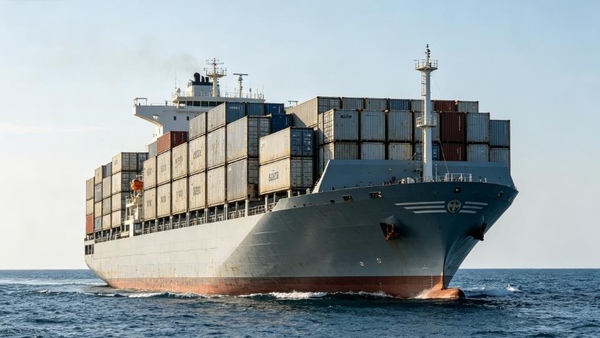
Analyze monthly trade lane throughput variations: Referencing WTO 2025 monthly trade volume statistics allows operational teams to assess future export pressure on regional origin depots. Rising cargo throughput without synchronized equipment replenishment signals potential upward CIC tariff adjustments.
Monitor carrier fleet reallocation announcements: Many ocean carriers release pre-season fleet adjustment blueprints four to eight weeks ahead of peak shipping cycles. These public disclosures outline container asset reallocation trends and support risk assessment for regional depot deficits and corresponding CIC cost shifts.
Review multi-year seasonal CIC adjustment patterns: Aggregating two to three years of seasonal CIC fluctuation data helps forwarders build empirical forecasting frameworks. Aligning historical adjustment patterns with current inventory and trade conditions improves the accuracy of seasonal cost budgeting.
Forwarders should note that CIC adjustments triggered by depot inventory gaps usually take effect within 7 to 14 days after equipment shortfalls emerge. The narrow response window requires freight teams to maintain continuous market surveillance mechanisms to update client quotations and service notifications in a timely manner.
How to Stabilize Client Costs Against Seasonal CIC Variations?
Mitigating client cost volatility from seasonal CIC fluctuations requires forwarders to deploy proactive operational strategies based on real-world origin depot equipment dynamics. Transparent data-backed explanations and flexible quotation frameworks reduce client disputes regarding unplanned seasonal surcharges.
Deliver proactive seasonal cost trend briefings: The recommended approach is to share periodic CIC trend updates with long-term corporate clients ahead of peak shipping cycles. Explaining depot deficit risks and potential tariff variations in advance supports reasonable annual logistics budget planning for client enterprises.
Adopt phased quotation validity terms: Forwarders can set time-bound validity windows for freight quotations during high-risk CIC adjustment periods. Phased contractual terms prevent prolonged fixed-price commitments that may generate financial losses from unanticipated seasonal CIC revisions.
Attach itemized CIC cost breakdowns to invoices: For all shipments completed during seasonal adjustment phases, supplement official invoices with detailed explanations of depot-driven CIC increments. Transparent cost decomposition strengthens client trust and lowers post-delivery consultation workloads.
Optimize shipment scheduling across shipping cycles: Guide clients to arrange bulk export shipments in early peak-cycle phases, before regional depot equipment deficits intensify. Staggered booking schedules help businesses avoid exposure to elevated seasonal CIC tariff brackets.
A common mistake is designing fixed annual CIC budget frameworks for corporate clients without reserving margins for seasonal market fluctuations. Inflexible budgeting practices tend to create unplanned cost discrepancies and collaborative frictions during volatile shipping seasons.
Why Depot Deficit Analysis Matters for CIC Charge Cost Control?
Within the evolving contemporary maritime logistics landscape, surface-level knowledge of What is CIC Container Imbalance Charge fails to support precise and stable cost administration. In-depth analysis of origin depot empty equipment deficit mechanisms enables forwarders to decode seasonal CIC adjustment logic and mitigate unplanned hidden expenditures in ocean freight operations.
According to Freightos Baltic Index (FBX) 2025 industrial observation data, a notable share of unplanned seasonal ocean freight billing disputes relates to unpredicted CIC adjustments caused by regional depot equipment mismatches. Forwarders integrating depot inventory analytics into daily workflows can enhance quotation accuracy and overall service stability.
Seasonal CIC tariff variations will continue to accompany global trade flow restructuring and iterative carrier fleet reallocation. Building professional competence in evaluating the correlation between origin depot empty equipment deficits and standardized CIC billing codes helps global forwarders stabilize client partnerships and sustain viable operational competitiveness amid shifting maritime market conditions.
Last
Proactively protecting your net quotation margins by checking what carrier alliances enforce a surprise cic local container imbalance charge
What is CIC Container Imbalance Charge? It is a location-specific surcharge regulated by global shipping alliances, often causing
Next
Minimizing origin document release holding delays by explaining the clear cash flow protection swb vs ocean bill of lading difference to suppliers
Understanding the practical cash flow protection swb vs ocean bill of lading difference allows global freight forwarders to mitiga

