




An International Freight Forwarder operating as a non-vessel operating common carrier (NVOCC) faces distinctive legal vulnerability during contractual and operational disputes with ocean vessel carriers. These liability exposures stem from dual contractual roles, with NVOCCs serving as contractual carriers for shippers while functioning as cargo intermediaries with vessel-operating carriers. Recent fluctuations in global maritime trade and regulatory adjustments have made structured liability mitigation a key operational priority for cross-border logistics service providers.
What legal status and liabilities do NVOCC forwarders hold in carrier disputes?
A non-vessel operating freight forwarder bears independent carrier liabilities in cross-border cargo transportation despite the absence of self-owned or long-term chartered ocean vessels. This legal standing separates NVOCC entities from pure agency forwarders and defines their risk scope during commercial conflicts with vessel carriers.
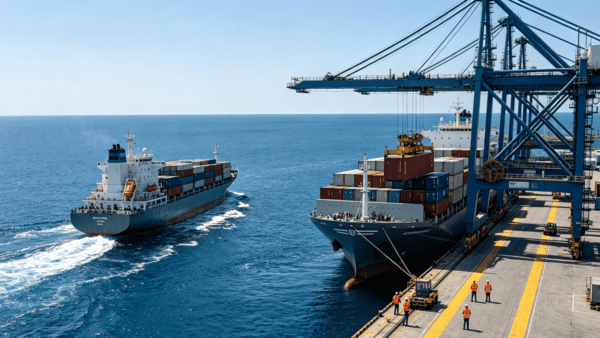
Dual contractual obligations of NVOCC entities
Traditional freight forwarding agencies mainly undertake advisory and booking assistance tasks with limited service-related liabilities. In comparison, licensed NVOCC forwarders issue house bills of lading to cargo shippers and sign formal master service agreements with vessel-operating carriers, forming a dual-layer contractual structure with multi-party obligations. According to UNCTAD 2024 maritime legal research, NVOCCs assume direct contractual liabilities for cargo loss, transit delay, and documentary errors toward cargo owners, even when operational faults originate from vessel carrier parties.
Judicial and arbitration recognition of NVOCC liability
Forwarders should note that maritime judicial institutions and commercial arbitration bodies across major trade jurisdictions generally acknowledge the independent carrier status of duly licensed NVOCCs. Such institutional recognition means operational disputes involving vessel carriers cannot exempt NVOCCs from compensation obligations to shippers and consignees. Many logistics enterprises encounter unplanned economic losses due to unclear understanding of this legal boundary in daily operations.
What common carrier dispute scenarios trigger NVOCC legal exposures?
Several recurring dispute categories between NVOCC forwarders and vessel carriers can trigger measurable legal liabilities and operational losses. Recognition of these high-risk scenarios supports proactive risk control and targeted dispute resolution planning.
Space allocation and booking agreement breaches
Vessel carriers may violate signed service agreements through unapproved space denial, cargo rolling, and schedule adjustment without prior written notification. Following the implementation of updated OSRA regulatory guidelines in 2024, the Federal Maritime Commission recorded rising dispute cases related to carrier space guarantee violations on transpacific and intra-Asian trade lanes. These carrier-side breaches disrupt NVOCC cargo scheduling and induce customer compensation claims.
A common mistake is that many mid-tier NVOCC forwarders rely on verbal commitments or simplified framework documents for carrier cooperation. These informal arrangements lack standardized penalty clauses for unilateral carrier breaches, creating contractual loopholes that leave forwarders to bear economic losses caused by carrier operational irregularities.
Cargo damage and shortage liability attribution conflicts
Cargo damage, quantity shortage, and container contamination during ocean transit frequently trigger liability allocation disputes between NVOCCs and vessel carriers. Shippers typically submit compensation claims to NVOCCs, as these entities act as the documented contractual carrier in house bill of lading agreements.
The recommended approach is for NVOCC forwarders to maintain continuous evidence documentation throughout cargo loading, sea transit, and terminal discharging procedures. Complete operational records allow forwarders to initiate formal recourse procedures against defaulting vessel carriers after settling shipper claims, achieving reasonable transfer of economic losses.
Surcharge and contractual freight rate adjustment disputes
Unilateral carrier modifications of bunker adjustment fees, terminal handling charges, and seasonal service premiums contribute to a large share of maritime commercial disputes. According to Freightos Baltic Index 2024 quarterly market analytics, fluctuating fuel prices and regional port congestion drive frequent tariff revisions among mainstream vessel carriers during ongoing contract cycles.
Unscheduled fee adjustments undermine NVOCC budget planning and customer quotation stability. Forwarders should note that carrier-initiated fee increments without valid contractual justification can be challenged through maritime arbitration, provided forwarders retain complete contract texts and formal communication records.
Why do NVOCC forwarders face higher liability risks than regular freight forwarders?
NVOCC forwarders carry independent carrier contractual liabilities, whereas conventional agency forwarders only undertake limited fiduciary duties for intermediary services. This core legal distinction leads to differentiated risk exposure levels during carrier-related disputes.
Standard freight forwarding agencies operate as neutral intermediaries, with liabilities restricted to negligence in booking arrangement, document preparation, and information delivery. NVOCCs establish direct cargo carriage contracts with shippers, which places them in independent carrier legal positions. According to UNCTAD 2024 comparative maritime risk data, NVOCC operators encounter higher frequencies of compensation-related disputes than traditional agency forwarders in cross-border container transportation.
Information and resource imbalance further elevates NVOCC risk exposure. Large vessel carriers maintain professional legal teams and mature dispute response systems, while many medium-sized NVOCC enterprises lack dedicated maritime legal support resources. This imbalance creates structural disadvantages during dispute negotiation and arbitration proceedings.
A common mistake is the confusion between agency service liability and formal carrier liability in daily operational management. Some NVOCC teams fail to clarify their legal identity in contractual scenarios, resulting in insufficient risk reserve allocation and inadequate contractual protection mechanisms.
What core strategies help mitigate NVOCC legal liability in carrier disputes?
Multi-dimensional liability mitigation frameworks cover contractual standardization, systematic evidence management, risk transfer tools, and standardized dispute response protocols. These structured methods assist NVOCC forwarders in reducing passive economic losses during carrier conflicts.
Standardize formal maritime service contracts: The recommended approach is to adopt industry-standard maritime service agreements with explicit liability division, breach compensation, and rate adjustment clauses. Forwarders should avoid ambiguous framework contracts that fail to clarify carrier default responsibilities, as formalized contracts provide reliable legal grounds for post-dispute recourse.
Build full-process evidence archiving mechanisms: Archive all booking confirmation documents, space guarantee notifications, fee adjustment notices, and cargo condition inspection records during the entire transportation cycle. Complete evidence chains support forwarders in defending unreasonable compensation claims and pursuing indemnity against defaulting vessel carriers.
Optimize maritime liability insurance allocation: Procure specialized NVOCC liability insurance and freight error and omission insurance to cover economic risks arising from carrier disputes. Reasonable insurance portfolio allocation transfers uncertain legal liabilities to professional insurance institutions and stabilizes operational cost fluctuations.
Develop stable carrier cooperation ecosystems: Establish long-term partnerships with reputable vessel carriers that maintain standardized dispute processing protocols and consistent operational performance. Stable bilateral cooperation reduces the occurrence of unilateral carrier breaches and simplifies subsequent dispute resolution workflows.
Introduce professional maritime legal support: Train internal operational teams on basic maritime compliance rules or establish long-term cooperative relationships with professional maritime law firms. Timely legal intervention helps standardize dispute handling and prevents loss expansion from improper operational responses.
How to implement standardized dispute handling workflows for risk control?
Standardized dispute response workflows enable orderly and efficient handling of carrier conflicts, preventing minor commercial frictions from escalating into large-value compensation cases or credit-related risks. Process normalization improves the stability of NVOCC daily risk management.
Launch timely written dispute confirmation: When carrier irregularities such as cargo rolling and unapproved fee adjustment occur, issue formal written inquiries and objection notices within contractual time limits. Written documentation solidifies dispute facts and avoids evidentiary deficiencies associated with verbal communication.
Adopt classified risk response strategies: Distinguish low-impact commercial frictions from high-value liability disputes. Resolve minor conflicts through friendly business negotiation, while preparing arbitration and litigation response plans for disputes involving substantial cargo losses.
Conduct transparent customer risk communication: Forwarders should note that proactive and transparent communication with shippers helps reduce customer complaint and litigation risks during third-party carrier disputes. Reasonable explanation of external operational constraints supports sustained customer trust and controls derivative liability risks.
Execute post-dispute mechanism optimization: Summarize dispute triggers, operational deficiencies, and loss conditions after each dispute closure. Optimize existing contract terms, carrier screening criteria, and internal workflows to lower the probability of similar recurring risks.
What long-term optimization measures reduce persistent liability exposures?
Long-term risk optimization focuses on institutional improvement and professional capability upgrading to build sustainable liability prevention systems. Continuous mechanism iteration reduces overall cooperative risks in NVOCC and vessel carrier business interactions.
Establish graded carrier evaluation systems: Assess cooperative carriers based on historical dispute frequency, breach record, and after-dispute processing efficiency. Screen out carriers with frequent operational irregularities and retain stable cooperative resources for core trade lanes.
Optimize multi-source carrier resource allocation: Disperse cooperative resources across multiple vessel carriers for key routes to reduce reliance on single carriers. Diversified resource deployment mitigates operational and legal risks caused by individual carrier strategy adjustments or operational failures.
Update maritime compliance knowledge regularly: Track iterative updates of international maritime conventions and local port regulatory policies. Adjust internal operational procedures in line with latest compliance requirements to reduce rule-violation dispute risks.
Within the evolving and rule-governed global maritime logistics landscape, systematic legal liability mitigation during carrier disputes has become a fundamental operational capability for qualified International Freight Forwarder providers conducting NVOCC businesses. Through standardized contract management, complete lifecycle evidence retention, scientific risk transfer arrangements, and normalized dispute response workflows, forwarders can effectively reduce passive legal losses and operational uncertainties. Robust legal risk governance protects corporate economic interests and supports steady, compliant development of global logistics service businesses.
Last
Implementing real time milestone tracking data systems to manage complex multi destination international bulk freight movements
International freight operations covering multi-destination bulk commodity shipments face rising operational hurdles from fragment
Next
How a local pricing desk selects a trusted overseas network partner to support an international booking agent and freight forwarder cargo flow
An International Freight Forwarder relies heavily on stable overseas network partnerships to maintain consistent cargo flow effici

