




International freight operations across long-haul ocean trade lanes face prominent operational volatility triggered by unplanned carrier blank sailings, which regularly incur container rollovers and disrupt scheduled global supply chain cycles. For cross-border freight forwarding enterprises, unanticipated vessel service cancellations have transitioned from sporadic operational disruptions to systematic market risks that undermine cargo integrity, client service quality, and comprehensive profit margins in ocean logistics. Evolving fluctuations in global container shipping capacity and cross-border trade volumes have intensified such operational challenges, making proactive risk mitigation a core operational priority for professional forwarding teams.
What exactly are blank sailings in long-haul ocean freight?
Blank sailings refer to unplanned or last-minute cancellations of scheduled container vessel voyages executed by ocean carriers on established international trade lanes. These vessel skips remove planned weekly port calls and disrupt fixed vessel rotation cycles that sustain standardized long-haul international freight operational workflows.
How do unexpected blank sailings differ from routine schedule adjustments?
Planned carrier schedule modifications are typically announced several months in advance to accommodate seasonal capacity shifts or network optimization. In contrast, unplanned blank sailings are usually confirmed within seven days of the scheduled vessel departure, offering forwarding firms minimal lead time for cargo re-routing, schedule adjustment, and client notification. This narrow response window creates substantial operational uncertainty for long-haul freight management.
Long-haul trade corridors including Asia-Europe, Trans-Pacific, and Asia-Middle East routes demonstrate higher vulnerability to blank sailing disruptions compared to short-sea trades. These extended routes feature prolonged transit cycles, fixed weekly vessel rotation rules, and limited alternative vessel capacity, leaving little operational flexibility for contingency cargo arrangement.
What market dynamics drive frequent blank sailing arrangements?
According to UNCTAD 2024 maritime review data, the global container shipping fleet expanded by approximately 8.7% throughout 2024, with incremental capacity reaching 2.4 million TEU amid sustained new vessel deliveries. Despite overall capacity growth, structural supply-demand imbalances persist across core long-haul trade lanes, prompting carriers to adopt blank sailings as a mainstream capacity calibration method to align vessel supply with fluctuating cargo throughput.
This capacity adjustment mechanism has grown more prevalent in recent years, as the global shipping industry adapts to uneven cross-regional trade recovery and inconsistent monthly cargo volume fluctuations across major international freight corridors.
Why do unexpected blank sailings trigger container rollovers?
Container rollover is a common ocean freight scenario where cargo with confirmed booking arrangements fails to load on the scheduled vessel and is deferred to subsequent voyages. Unplanned blank sailings directly induce such incidents by eliminating pre-allocated vessel slots without adequate operational buffer periods.
How do rigid long-haul rotation systems cause rollover congestion?
Long-haul international freight strings operate on fixed weekly rotation frameworks with limited redundant vessel capacity. When carriers execute abrupt blank sailing adjustments, all cargo assigned to the canceled voyage is consolidated into the next scheduled vessel, resulting in severe slot overbooking and operational congestion. Carriers then implement selective cargo rolling to balance vessel load capacity.
A common mistake is that many forwarding practitioners rely exclusively on formal carrier booking confirmations without conducting real-time voyage status verification. This passive operational mode exposes containerized shipments to rollover risks amid last-minute blank sailing notifications. Unlike seasonal port congestion delays caused by terminal throughput constraints, blank sailing-induced rollovers stem from carrier-side capacity recalibration, which is difficult to predict through conventional logistics forecasting tools.
How do stowage planning rules amplify rollover risks?
Long-haul international freight delivery relies on sophisticated multi-port stowage planning and cross-regional cargo consolidation mechanisms. Carriers finalize vessel stowage configurations weeks in advance to integrate consolidated cargo from multiple origin ports along unified route strings.
Unplanned blank sailings disrupt pre-established stowage hierarchies and load sequencing standards. To maintain operational efficiency and comply with contractual obligations, carriers tend to prioritize cargo from clients with large-volume long-term contractual agreements, while rolling over consolidated cargo from medium and small-scale freight forwarders.
What role does slot allocation policy play in cargo rollovers?
Global liner shipping slot allocation frameworks prioritize long-term contract clients over spot market booking participants. According to Freightos Baltic Index (FBX) 2024 quarterly market analysis, spot market transactions account for roughly 30% of long-haul container freight volume across mainstream trade lanes.
Spot cargo bookings consistently face higher rollover probabilities during capacity crunches triggered by blank sailings. This structural imbalance creates operational disadvantages for mid-sized global forwarding enterprises that depend on flexible spot market slots to support diverse client logistics demands.
What financial and operational risks do rollovers bring to forwarders?
Container rollovers derived from unplanned blank sailings generate cascading financial losses and operational disruptions that erode forwarding firms’ profit margins and weaken long-term client cooperative relationships. These adverse impacts extend beyond basic delivery delays to compromise end-to-end supply chain operational stability.
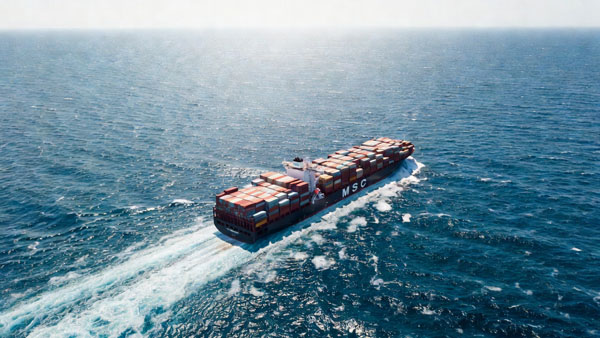
Disrupted client delivery schedules: Most cross-border manufacturing and retail enterprises adopt just-in-time inventory management modes with rigorous delivery timeline requirements. Long-haul cargo rollovers typically delay inbound shipments for 7 to 14 days, which may breach contractual delivery terms and trigger client dissatisfaction or formal compensation claims.
Increased unplanned operational costs: Rolled containers require urgent contingency arrangements, including origin port warehousing storage fees, adjusted inland trucking dispatching, and slot premium surcharges for priority loading on subsequent voyages. These unbudgeted expenditures reduce net profit margins for individual freight orders.
Broken cargo consolidation rhythms: Global forwarders depend on stable weekly vessel sailings to complete LCL-to-FCL cargo consolidation operations. Unplanned blank sailings interrupt regular consolidation cycles, leading to scattered cargo volumes, prolonged port dwell time, and elevated cargo handling damage probabilities.
Weakened market competitive edge: Forwarding enterprises with frequent rollover incidents tend to lose client recognition for operational reliability. In the highly competitive international logistics industry, stable delivery performance serves as a key factor for sustaining long-term corporate client cooperation.
Forwarders should note that such risk impacts are magnified on long-haul ocean routes due to limited contingency routing alternatives. Unlike regional short-sea freight with flexible modal switching options, long-haul cross-ocean containerized cargo lacks viable land or air freight substitutes for large-volume shipments, making rollover delays difficult to mitigate through emergency scheme adjustments.
How can forwarders proactively avoid container rollovers from blank sailings?
Targeted mitigation of blank sailing-induced container rollovers requires structured, data-backed operational strategies tailored to the inherent characteristics of long-haul international freight businesses. Passive post-disruption troubleshooting cannot resolve fundamental risks, making proactive risk prevention a mainstream operational optimization direction.
The recommended approach is to establish a multi-dimensional risk prevention system covering real-time voyage monitoring, booking strategy optimization, transparent client communication mechanisms, and alternative routing reserve plans. This systematic framework enables forwarders to respond efficiently to unplanned carrier service adjustments.
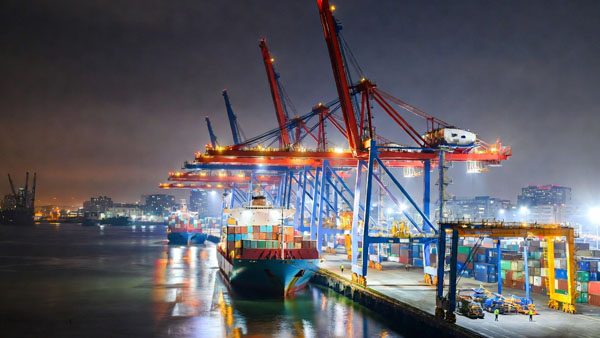
Implement daily real-time voyage status monitoring: Forwarding teams need to conduct daily inspections of carrier official voyage bulletins and professional maritime data platforms. Real-time voyage data captures early signals of pending blank sailings, vessel speed modifications, and temporary port skips, which helps eliminate information gaps in daily schedule management. Integrating professional maritime intelligence tools into daily workflows improves risk identification efficiency.
Diversify cooperative carrier alliances for core routes: Over-reliance on a single shipping alliance increases operational vulnerability during large-scale alliance capacity adjustments. It is advisable for forwarders to maintain stable cooperative ties with two or more major carrier alliances for each core long-haul trade lane, which provides alternative slot resources when one alliance launches unplanned blank sailings.
Optimize booking timeline and slot category selection: Spot market slots carry higher rollover risks during capacity tightening periods, while contract-reserved slots enjoy relatively stable loading priority. For time-sensitive client shipments, forwarders can prioritize contractual slot reservations and arrange bookings 10 to 14 days ahead of standard operating schedules to enhance stowage arrangement priority during market fluctuations.
Negotiate rolling protection clauses in carrier contracts: Embedding standardized anti-rolling terms in formal carrier cooperation contracts helps form effective operational safeguards. Common clause contents include conditional priority loading guarantees for confirmed bookings, compensation mechanisms for carrier-initiated unplanned rollovers, and mandatory advance notification requirements for voyage cancellation adjustments.
Build proactive client risk notification mechanisms: Once potential blank sailing and rollover risks are identified, forwarders should promptly inform clients of possible schedule changes and deliver updated delivery timelines. Timely and transparent communication reduces client dispute risks and maintains cooperative credibility amid supply chain disruptions.
What long-term strategies stabilize long-haul freight operations?
Short-term operational adjustments can reduce rollover probabilities for individual shipments, while sustained operational stability for long-haul ocean freight requires long-term strategic optimization adapted to evolving global shipping market trends. Carriers will continue dynamic capacity recalibration to match fluctuating global trade volumes, ensuring persistent market volatility.
According to WTO 2024 global trade outlook statistics, global merchandise trade volume growth will maintain uneven cross-regional distribution through 2026, driving continuous carrier capacity adjustments and periodic blank sailing implementations. Forwarding enterprises need to optimize business operation modes to adapt to lasting market uncertainty.
Cultivate professional market trend analysis capabilities: Forwarding teams can regularly analyze authoritative industry data released by UNCTAD, FBX, and Drewry to identify periodic capacity volatility cycles. Accurate identification of high-frequency blank sailing periods supports targeted booking strategy adjustments and rational operational resource allocation for risk control.
Optimize enterprise cargo portfolio allocation: Balancing stable high-volume contractual cargo and flexible spot market cargo helps reduce overall operational vulnerability. Excessive dependence on low-margin spot shipments raises rollover exposure, while diversified cargo portfolio allocation enhances operational stability during market fluctuations.
Promote digital transformation of full-link schedule management: Adopting intelligent freight management systems supports automatic voyage schedule monitoring, real-time risk alerting, and intelligent cargo re-routing planning. Digital operational tools reduce manual processing errors and improve overall response efficiency toward unplanned blank sailing announcements.
Amid the continuous evolution of global cross-border logistics ecosystems, standardized risk management for unplanned blank sailings has become a vital capability for sustainable service development in international freight businesses. Forwarding enterprises that integrate real-time operational agility with long-term strategic layout can effectively mitigate container rollover risks, stabilize long-haul ocean freight operational strings, and deliver reliable customized logistics services amid ongoing market volatility.
Last
How a local pricing desk selects a trusted overseas network partner to support an international booking agent and freight forwarder cargo flow
An International Freight Forwarder relies heavily on stable overseas network partnerships to maintain consistent cargo flow effici
Next
Value Chain Analysis: Understanding What is a Freight Forwarder
To thrive in global trade, grasping what is a freight forwarder and its role in the supply chain value chain is essential for forw

