In the competitive global logistics landscape, forwarders are increasingly focusing on efficiency benchmarking to streamline the International Air Freight Process, reduce delays, and enhance service quality for their clients.
What Is Efficiency Benchmarking in the International Air Freight Process?
Efficiency benchmarking in the International Air Freight Process is the practice of measuring a forwarder’s operations against industry standards, best practices, and peer performance to identify bottlenecks and implement improvements. It provides a data-driven framework to shorten cycle times and optimize resource use.
Forwarders should note that efficiency benchmarking is not a one-time task but an ongoing process that requires regular data collection and analysis. Unlike generic performance checks, it focuses specifically on the unique workflows of the International Air Freight Process, from pre-shipment preparation to post-delivery follow-up.
According to Cargo iQ 2026 monthly performance data (April 2026), forwarders that implement regular efficiency benchmarking reduce their average International Air Freight Process cycle time by 19% compared to those that do not. This improvement directly translates to cost savings and higher client retention rates, as timely deliveries are a top priority for shippers.
The recommended approach is to start with defining clear, measurable key performance indicators (KPIs) that align with the International Air Freight Process stages. Common KPIs include order processing time, customs clearance duration, and on-time delivery rate (OTDR), as these directly impact overall efficiency.
Why Is Shortening the International Air Freight Process Critical for Forwarders?
Shortening the International Air Freight Process is critical for forwarders because it directly addresses client demands for speed, reduces operational costs, and strengthens competitiveness in a market where transit time often differentiates service providers. It also minimizes the risk of delays and associated penalties.
A common mistake is underestimating the impact of prolonged process times on client satisfaction. Many shippers, especially those in e-commerce and high-tech industries, rely on air freight for time-sensitive goods, and even a 24-hour delay can result in lost sales or damaged business relationships.
According to Freightos 2026 weekly freight update (March 10, 2026), the average International Air Freight Process cycle time for global forwarders is 70 hours, but top-performing firms have reduced this to 45 hours or less. This gap highlights the opportunity for forwarders to gain a competitive edge by optimizing their workflows.
Forwarders should note that shortening the process does not mean compromising on compliance or safety. Instead, it involves eliminating redundant steps, automating repetitive tasks, and improving coordination between stakeholders to create a more streamlined, efficient workflow.
Which KPIs Should Forwarders Use to Benchmark International Air Freight Efficiency?
The KPIs used to benchmark International Air Freight efficiency are specific metrics that measure the speed, accuracy, and reliability of each stage in the process, allowing forwarders to identify bottlenecks and track improvement over time.
Order Processing Time: Measures the duration from receiving a shipper’s booking request to confirming space with the carrier. This KPI highlights inefficiencies in communication or documentation preparation, with top performers averaging 3.5 hours or less for this stage, per Cargo iQ 2026 data.
Customs Clearance Duration: Tracks the time taken to clear cargo through customs at both origin and destination. According to China Customs 2026 statistics (April 2026), the average customs clearance time for air freight in China is 7.5 hours for general cargo without inspection, while efficient forwarders can reduce this to 3.5 hours using digital documentation and integrated customs platforms such as China’s Single Window system.
On-Time Delivery Rate (OTDR): Calculates the percentage of shipments delivered by the promised Estimated Time of Arrival (ETA). Cargo iQ 2026 monthly report shows that the industry average OTDR is 83%, while forwarders using consistent benchmarking often achieve rates above 91%.
Cargo Handling Time: Measures the time from cargo pickup to loading onto the aircraft. This KPI includes warehouse storage, consolidation, and loading processes, with inefficiencies often stemming from poor scheduling or inadequate staffing.
Documentation Accuracy Rate: Tracks the percentage of error-free documents submitted to customs and carriers. A common mistake is overlooking documentation errors, which can lead to customs delays; top forwarders maintain an accuracy rate of 98.5% or higher, per IATA 2026 guidelines for air cargo documentation.
How to Identify Bottlenecks in the International Air Freight Process?
Identifying bottlenecks in the International Air Freight Process involves analyzing KPI data, mapping workflow stages, and gathering feedback from stakeholders to pinpoint areas where delays or inefficiencies consistently occur.
What Are the Most Common Bottlenecks?
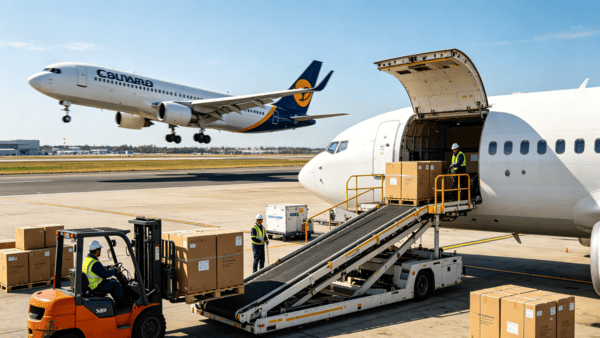
Forwarders should note that bottlenecks often vary by operation but tend to cluster in three key areas: documentation processing, customs clearance, and cargo handling. These stages involve multiple stakeholders and are prone to delays due to human error or poor coordination.
Documentation Processing: Manual data entry and lack of digital integration often lead to errors and delays. A common mistake is relying on paper-based Air Waybills (AWBs) instead of electronic Air Waybills (e-AWBs), which are slower to process and more prone to mistakes. According to IATA 2026 data, the e-AWB penetration rate reached 50.7% in April 2026, up 1.3% from the previous month, but many forwarders still underutilize this digital tool.
Customs Clearance: Incomplete or inaccurate documentation, combined with a lack of local expertise at the destination, frequently causes bottlenecks. According to Freightos 2026 data, 42% of air freight delays are attributed to customs-related issues, a slight increase from 2025 due to evolving regulatory requirements such as IATA’s Dangerous Goods Regulations (DGR) 67th edition, which took effect on January 1, 2026.
Cargo Handling and Consolidation: Poor warehouse scheduling, inadequate packaging, and inefficient consolidation practices can slow down the process. For example, delayed cargo pickup from shippers often leads to missed loading deadlines, especially during peak seasons when air cargo capacity remains tight due to ongoing aircraft and engine supply chain constraints.
How to Analyze Data to Find Bottlenecks?
The recommended approach is to collect KPI data over a 30-60 day period, then analyze it to identify patterns or outliers. For example, if the customs clearance duration is consistently longer for shipments to a specific country, the bottleneck may be a lack of local customs expertise or unfamiliarity with that country’s regulatory updates.
Forwarders should also gather feedback from their operations team, shippers, and carriers to gain qualitative insights. For instance, warehouse staff may report that outdated loading equipment is causing delays, a bottleneck that may not be immediately apparent from KPI data alone.
What Strategies Can Shorten the Pre-Shipment Stage of the International Air Freight Process?
Shortening the pre-shipment stage involves optimizing documentation, streamlining cargo assessment, and improving carrier selection—key steps that set the foundation for an efficient International Air Freight Process.
Automate Documentation Processing: Implement digital documentation tools to reduce manual data entry and errors. The recommended approach is to use cloud-based platforms that integrate with shipper and carrier systems, allowing for real-time document sharing, validation, and e-AWB submission, which aligns with IATA’s ONE Record standard for digital data sharing.
Standardize Cargo Assessment Checks: Create a standardized checklist for verifying shipment details, compliance, and packaging. This reduces the time spent on ad-hoc checks and ensures consistency across all shipments, minimizing the risk of non-compliance, especially for dangerous goods subject to IATA DGR 67th edition requirements.
Establish Pre-Negotiated Carrier Agreements: A common mistake is negotiating carrier rates and space on a per-shipment basis, which wastes time. Forwarders should establish long-term agreements with multiple carriers to secure space, consistent rates, and faster booking confirmation—critical given the ongoing air cargo capacity constraints projected to last through the next decade.
Implement Pre-Shipment Audits: Conduct quick audits before submitting cargo for acceptance to catch documentation errors or compliance issues early. This prevents delays later in the process and reduces the risk of cargo rejection by carriers or customs, particularly for high-risk shipments such as lithium batteries, which require strict adherence to IATA DGR 67th edition guidelines.
According to DHL Group’s 2026 Capital Market Briefing (March 2026), forwarders that automate pre-shipment documentation reduce their order processing time by 38% and decrease documentation errors by 62%. This not only shortens the pre-shipment stage but also improves overall process efficiency and compliance.
How to Optimize Customs Clearance to Shorten the International Air Freight Process?
Optimizing customs clearance involves leveraging digital tools, partnering with local experts, and ensuring compliance—steps that reduce delays and streamline this critical stage of the International Air Freight Process.
What Digital Tools Improve Customs Clearance Efficiency?
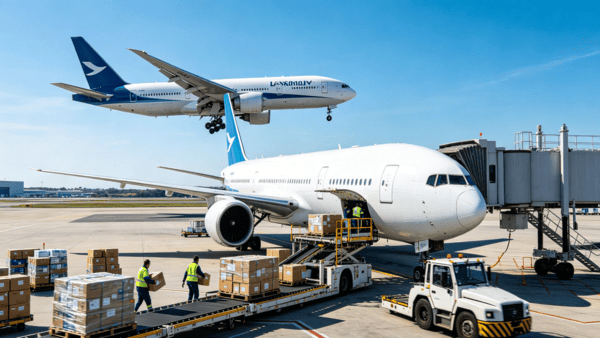
Forwarders should note that digital customs platforms, such as China’s Single Window system, the EU’s Import Control System 2 (ICS2), and the U.S. Automated Commercial Environment (ACE), significantly reduce clearance time by enabling electronic submission and real-time processing of documents.
The recommended approach is to integrate these digital platforms into the forwarder’s workflow, ensuring that all documentation is submitted electronically and validated before arrival at customs. This eliminates the need for physical document handoffs and reduces processing time by up to 52%, according to a 2026 industry report on digital customs clearance, which also notes that pre-arrival processing can cut clearance times by an additional 25%.
How Does Local Expertise Impact Customs Clearance Speed?
A common mistake is handling customs clearance for foreign destinations without local expertise. Local customs brokers understand the specific regulations, documentation requirements, and potential pitfalls of their country’s customs process, which can significantly reduce delays.
According to the International Trade Centre (ITC) Trade Map 2026 data, forwarders that partner with local customs brokers at the destination reduce their average customs clearance time by 25%. These brokers can also help navigate unexpected issues, such as random inspections or regulatory changes, without disrupting the entire International Air Freight Process.
How to Streamline Cargo Handling and Loading for Faster Transit?
Streamlining cargo handling and loading involves optimizing warehouse operations, improving consolidation practices, and enhancing coordination with ground service agents (GSAs) to reduce delays in this physical stage of the International Air Freight Process.
Optimize Warehouse Layout and Scheduling: Arrange warehouse layouts to minimize the distance between storage areas and loading docks, and use scheduling software to coordinate pickup and loading times. This reduces the time spent moving cargo within the warehouse and aligns with best practices for efficient cargo handling.
Adopt Efficient Consolidation Practices: Use consolidated shipping (also known as LCL consolidation for air freight) to combine multiple small shipments into a single larger consignment. According to DHL 2026 data, this practice reduces loading time by 20% and lowers transportation costs by sharing cargo space, which is particularly valuable amid ongoing capacity constraints.
Train Warehouse Staff on Best Practices: Ensure staff are trained in proper cargo handling, packaging, and loading techniques to reduce damage and delays. A common mistake is underinvesting in staff training, which leads to inefficiencies and increased risk of cargo damage—costly given that the air freight industry carries goods worth over 35% of global trade value despite accounting for less than 1% of volume.
Establish Real-Time Communication with Ground Agents: Use real-time communication tools to coordinate with ground service agents (GSAs) at the airport, ensuring that cargo is ready for loading as soon as the aircraft is available. This prevents bottlenecks at the loading gate and helps mitigate delays caused by tight flight schedules.
Forwarders should note that efficient cargo handling and loading not only shortens the International Air Freight Process but also reduces the risk of cargo damage, which can lead to costly claims and delays. According to Cargo iQ 2026 data, forwarders with optimized handling processes have a 30% lower cargo damage rate than those with inefficient practices.
How to Leverage Technology to Shorten the International Air Freight Process?
Leveraging technology involves adopting digital tools for tracking, automation, and data analysis—solutions that streamline workflows, reduce human error, and provide real-time visibility into the International Air Freight Process.
Implement Real-Time Tracking Systems: Use GPS and IoT-enabled tracking tools to monitor cargo location and status throughout the process. This allows forwarders to proactively address delays, such as flight cancellations or customs holds, before they impact the overall timeline, enhancing visibility for both forwarders and their clients.
Adopt Automation for Repetitive Tasks: Automate tasks such as data entry, booking confirmation, and delivery notifications. The recommended approach is to use AI-powered tools that can handle these tasks 24/7, reducing processing time and human error—consistent with DHL’s 2026 focus on scaling AI across its global network to improve productivity.
Use Data Analytics for Continuous Improvement: Implement data analytics platforms to analyze KPI data and identify trends or inefficiencies. This allows forwarders to make data-driven decisions to optimize their workflows and shorten the International Air Freight Process, aligning with industry efforts to adopt data-driven benchmarking.
Integrate Stakeholder Systems: Connect systems with shippers, carriers, and customs authorities to enable real-time data sharing, in line with IATA’s ONE Record standard, which has been adopted by nearly 50% of industry stakeholders as of late 2025. This eliminates manual data transfer and ensures that all stakeholders have access to the latest information, reducing delays caused by miscommunication.
According to IATA 2026 survey findings, forwarders that adopt digital technologies reduce their overall International Air Freight Process cycle time by 22% and improve client satisfaction by 15%. Technology also enables forwarders to scale their operations without a proportional increase in staff, improving profitability amid the industry’s 3.9% average net profit margin.
What Common Mistakes Hinder Efforts to Shorten the International Air Freight Process?
Common mistakes that hinder process shortening include poor communication, over-reliance on manual processes, lack of benchmarking, and ignoring compliance requirements—all of which lead to delays and inefficiencies.
Over-Reliance on Manual Processes: A common mistake is continuing to use manual documentation, data entry, and communication methods, which are slow and prone to error. This prolongs every stage of the International Air Freight Process and increases the risk of delays, especially given the industry’s push toward digitalization.
Poor Communication Between Stakeholders: Failing to communicate effectively with shippers, carriers, and customs authorities leads to misalignment and delays. For example, a delay in receiving shipment details from the shipper can cause missed booking deadlines, which are particularly costly during peak seasons when capacity is limited.
Ignoring Compliance Requirements: Cutting corners on compliance to save time often leads to longer delays, such as cargo being held at customs or rejected by carriers. Forwarders should note that compliance is non-negotiable, especially with updated regulations like IATA DGR 67th edition, and that proper preparation reduces long-term delays.
Not Conducting Regular Benchmarking: A common mistake is implementing one-time improvements without ongoing benchmarking. This prevents forwarders from identifying new bottlenecks and maintaining efficiency gains over time, particularly as the industry evolves with new technologies and regulations.
How to Measure the Success of Efforts to Shorten the International Air Freight Process?
Measuring the success of process-shortening efforts involves tracking key KPIs, gathering client feedback, and comparing performance against industry benchmarks to ensure that improvements are sustained and impactful.
The recommended approach is to establish a baseline for each KPI before implementing improvements, then track changes over time. For example, if the baseline customs clearance time is 8 hours, a reduction to 3.5 hours indicates a successful improvement, aligning with the efficiency gains reported by forwarders using digital customs tools.
Forwarders should also gather feedback from shippers to assess their satisfaction with the shortened process. According to Freightos 2026 data, forwarders that regularly collect client feedback and adjust their processes have a 20% higher client retention rate than those that do not.
Additionally, comparing performance against industry benchmarks, such as those provided by Cargo iQ or IATA, helps forwarders understand how their efficiency measures up to peers and identify areas for further improvement, ensuring they remain competitive in a market projected to reach $1.05 trillion in global aviation revenue in 2026.
In conclusion, efficiency benchmarking is a powerful tool for forwarders looking to shorten the International Air Freight Process, reduce costs, and enhance client satisfaction. By identifying bottlenecks, leveraging technology, optimizing key stages, and avoiding common mistakes, forwarders can create a streamlined, efficient workflow that meets the demands of the global logistics market. Regular benchmarking and continuous improvement ensure that these gains are sustained, allowing forwarders to remain competitive in an industry where speed and reliability are paramount to success in the International Air Freight Process.
Last
Industry Definitions: What is an International Freight Forwarder?
In the complex network of global trade, understanding the role of an International Freight Forwarder is essential for any company
Next
Rapid Logistics: Understanding the Full International Air Freight Process
In the fast-paced global logistics industry, mastering the International Air Freight Process is essential for freight forwarders a