






In the fast-paced global logistics industry, mastering the International Air Freight Process is essential for freight forwarders aiming to deliver efficient, reliable services to their clients. This comprehensive guide breaks down every stage of the process, from initial preparation to final delivery, with practical insights tailored to the needs of global forwarders.
What Is the International Air Freight Process, and Why Does It Matter for Forwarders?
The International Air Freight Process refers to the series of coordinated steps that move goods from a shipper’s location in one country to a consignee’s location in another via air transport. It involves multiple stakeholders, strict regulations, and precise timing, making it a critical focus for forwarders seeking to streamline operations and reduce risks.
Forwarders serve as the linchpin of this process, bridging the gap between shippers, airlines (carriers), customs authorities, and consignees. A smooth, well-managed International Air Freight Process not only ensures timely delivery but also minimizes costs, reduces delays, and enhances client satisfaction—key factors in maintaining competitiveness in the global freight forwarding market.
According to IATA 2026 data, global air cargo volumes are projected to grow 2.4% year-on-year to approximately 71.6 million tonnes, with international operations accounting for the majority of this growth. This expansion underscores the rising importance of mastering the International Air Freight Process, as forwarders are tasked with handling an increasing volume of shipments while adhering to evolving regulations.
What Pre-Shipment Steps Do Forwarders Need to Complete?
Pre-shipment preparation is the foundation of a successful international air freight shipment, involving documentation, cargo assessment, and carrier selection—all critical tasks that forwarders must manage meticulously to avoid delays.
Verify Shipment Details: Forwarders should first confirm the core details of the shipment, including the type of goods, actual gross weight (G.W.), volumetric weight (Vol. Weight), port of loading (POL), port of destination (POD), and any special requirements (such as refrigeration or dangerous goods). This step ensures that all subsequent actions align with the shipper’s needs and regulatory requirements.
Complete Essential Documentation: Documentation is a cornerstone of international air freight, and forwarders must ensure all documents are accurate and complete. Common documents include the Shipper’s Letter of Instruction (SLI), Commercial Invoice (CI), Packing List (PL), Master Air Waybill (MAWB), and House Air Waybill (HAWB). Forwarders should note that discrepancies in documentation are a leading cause of customs delays, so cross-verifying all information is non-negotiable.
Assess Cargo Compliance: Different types of cargo have unique regulatory requirements. For example, dangerous goods (DG) must comply with the IATA Dangerous Goods Regulations (IATA DGR), while goods with solid wood packaging may require a Fumigation Certificate for entry into countries like the EU, US, and Australia. A common mistake is overlooking these compliance requirements, which can result in cargo being held at customs or even rejected.
Select a Suitable Airline or Carrier: The recommended approach is to evaluate multiple carriers based on factors such as transit time, cost, route coverage, and cargo handling capabilities. Forwarders should consider the carrier’s adherence to the latest regulations, such as China’s Civil Aviation Cargo Transportation Management Regulations, which came into effect on December 1, 2024, and emphasize safety and service quality.
How to Navigate Booking and Cargo Acceptance?
Booking and cargo acceptance are critical stages where forwarders coordinate with airlines to secure space and ensure cargo meets the carrier’s requirements, laying the groundwork for smooth transit.
How to Complete the Cargo Booking Process?
Once the pre-shipment steps are complete, forwarders proceed to book cargo space with the selected airline. This involves submitting a booking request (also known as a Booking Note) that includes all shipment details, documentation, and special requirements. Airlines typically confirm bookings within 24 to 48 hours, though peak seasons (such as holiday periods) may require earlier booking to secure space, as carriers often implement blanked sailings to manage capacity and rates.
What to Expect During Cargo Acceptance?
Forwarders should note that cargo acceptance involves a physical inspection of the goods by the airline or its ground service agent. This inspection verifies that the cargo matches the documentation, is properly packaged, and meets safety standards. For example, the Civil Aviation Cargo Transportation Management Regulations require carriers and ground service agents to inspect cargo storage and handling to ensure safety. If the cargo fails inspection—due to improper packaging, mislabeling, or non-compliant goods—it will not be accepted for shipment, leading to delays and additional costs.
The recommended approach is to work closely with the shipper to ensure proper packaging and labeling before submitting the cargo for acceptance. This includes using appropriate packaging materials for fragile or perishable goods and clearly labeling dangerous goods in accordance with IATA DGR guidelines. Forwarders should also communicate any carrier-specific requirements to the shipper to avoid last-minute issues.
What Happens During Cargo Handling and Loading?
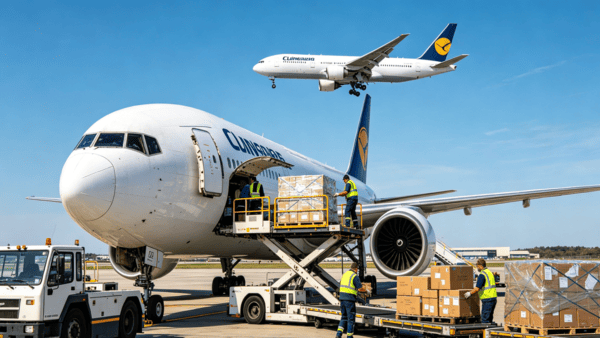
Cargo handling and loading involve the physical movement of goods from the shipper’s location to the aircraft, requiring careful coordination between forwarders, ground service agents, and airlines to prevent damage and delays.
Pickup and Transport to Airport: Forwarders often arrange for the pickup of cargo from the shipper’s warehouse or facility and transport it to the origin airport. This step requires selecting a reliable local transport provider that can handle the cargo safely and deliver it on time. A common mistake is choosing a transport provider based solely on cost, which can lead to delayed delivery to the airport or cargo damage.
Warehousing and Consolidation: Upon arrival at the airport, cargo is stored in a warehouse until it is ready for loading. Forwarders may consolidate multiple small shipments into a single larger shipment (a practice known as LCL consolidation) to reduce costs—a method often used by forwarders to improve efficiency. However, forwarders should note that consolidation requires careful planning to ensure all shipments meet the same transit schedule and regulatory requirements.
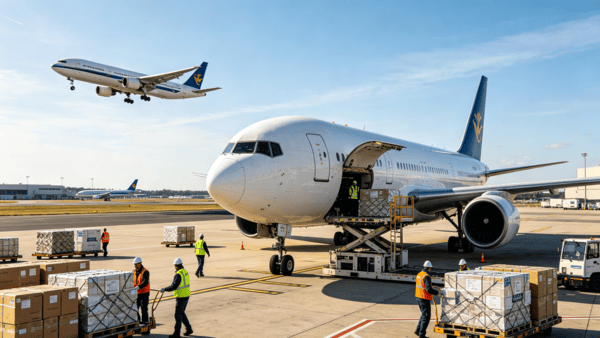
Loading onto the Aircraft: Ground service agents handle the loading of cargo onto the aircraft, following strict safety protocols to ensure the cargo is secured properly and does not shift during flight. The Civil Aviation Cargo Transportation Management Regulations require ground service agents to provide timely cargo transport information to carriers, ensuring transparency throughout the handling process. Forwarders should monitor the loading process to address any issues that may arise, such as space constraints or damaged cargo.
How to Manage Customs Clearance at Origin and Destination?
Customs clearance is one of the most complex stages of the International Air Freight Process, requiring forwarders to navigate varying regulations in both the origin and destination countries to ensure cargo is cleared efficiently.
What Is Involved in Origin Country Customs Clearance?
At the origin country, forwarders submit the necessary documentation to customs authorities for inspection and approval. This includes the Commercial Invoice, Packing List, Air Waybill, and any additional documents required for specific goods (such as Certificate of Origin for tariff preferences or dangerous goods documentation for hazardous materials). Customs authorities verify the accuracy of the documentation, inspect the cargo if necessary, and assess any duties or taxes before clearing the cargo for export.
How to Navigate Destination Country Customs Clearance?
Forwarders should note that customs regulations vary significantly between countries, and staying updated on changes is critical. For example, China’s Civil Aviation Cargo Transportation Management Regulations unified domestic and international air cargo transport rules, emphasizing accurate declaration by shippers and proper documentation by forwarders. A common mistake is failing to research destination country customs requirements in advance, which can lead to delays at the destination port.
At the destination country, the process is similar but may involve additional steps, such as paying import duties and taxes, providing additional documentation, or undergoing more rigorous inspections. The recommended approach is to partner with a local customs broker at the destination to navigate these requirements, as local brokers have expertise in the country’s regulations and can expedite the clearance process. According to Freightos 2026 data, efficient customs clearance is a key factor in maintaining the competitiveness of air freight, as delays can erode the speed advantage that air transport offers.
What Are the Key Considerations for In-Flight Transit?
In-flight transit is the phase where cargo is transported from the origin airport to the destination airport, and while forwarders have limited direct control during this stage, proper planning can mitigate risks and ensure timely delivery.
How to Track Shipments During In-Flight Transit?
Forwarders should track the shipment in real time using the airline’s tracking system, which provides updates on the cargo’s location, Estimated Time of Departure (ETD), and Estimated Time of Arrival (ETA). This allows forwarders to inform the consignee of any delays or changes and take proactive measures to address issues. For example, if a flight is delayed due to weather or mechanical issues, forwarders can adjust the delivery schedule or arrange for alternative transport if necessary.
How to Ensure Cargo Security During Transit?
Another key consideration is cargo security. The Civil Aviation Cargo Transportation Management Regulations emphasize security supervision, requiring carriers and forwarders to implement measures to prevent unauthorized access to cargo. Forwarders should ensure that the cargo is properly sealed and labeled, and that all security protocols are followed to reduce the risk of theft or damage during transit.
The recommended approach is to choose airlines with a strong track record of on-time performance and reliable cargo handling. According to Freightos 2026 data, global air cargo rates are approximately 30% higher than before the Hormuz tension, but the market is stabilizing as air space closures decrease and capacity from Gulf carriers continues to recover. This provides forwarders with more options to select carriers that align with their clients’ needs. Forwarders should also consider the airline’s route network, as direct flights can reduce transit time and minimize the risk of delays associated with layovers.
How to Handle Post-Delivery Steps and Resolve Issues?
Post-delivery steps involve ensuring the cargo is delivered to the consignee in good condition, resolving any issues that arise, and completing the necessary documentation to finalize the shipment.
Unloading and Delivery to Consignee: Upon arrival at the destination airport, the cargo is unloaded by ground service agents and transported to the consignee’s location. Forwarders should coordinate with the local transport provider to ensure timely delivery, and confirm with the consignee that the cargo has been received in good condition. If the cargo is damaged or missing, forwarders must initiate a claim process with the airline or insurance provider.
Claim Processing for Damaged or Lost Cargo: A common mistake is delaying the claim process, as most airlines have strict time limits for submitting claims (typically 7 to 14 days after delivery). Forwarders should document any damage or loss with photos and detailed reports, and submit the claim along with the necessary documentation (such as the Air Waybill and inspection report) to the airline. The recommended approach is to work closely with the airline and insurance provider to ensure the claim is processed efficiently and the shipper or consignee is compensated appropriately.
Final Documentation and Reconciliation: After delivery, forwarders must complete the final documentation, including reconciling the Air Waybill with the actual shipment details and providing the shipper with a delivery confirmation. This step ensures that all parties have a clear record of the shipment, and helps forwarders maintain accurate records for future reference and compliance purposes.
What Trends Are Shaping the Future of the International Air Freight Process?
The International Air Freight Process is constantly evolving, driven by technological advancements, regulatory changes, and shifting global trade patterns—trends that forwarders must adapt to in order to remain competitive.
How Is Digitalization Transforming the International Air Freight Process?
One key trend is the adoption of digital technologies, such as electronic documentation and real-time tracking systems. The Civil Aviation Cargo Transportation Management Regulations encourage the use of electronic documents, electronic signatures, and electronic labels to improve efficiency and reduce paperwork. Forwarders that embrace these technologies can streamline the documentation process, reduce errors, and provide clients with greater transparency into their shipments.
What Role Does Sustainability Play in the Future of Air Freight?
Another trend is the growing focus on sustainability. As global awareness of environmental issues increases, airlines and forwarders are implementing measures to reduce the carbon footprint of air freight, such as using more fuel-efficient aircraft and optimizing routes. According to IATA 2026 data, the air cargo industry is making progress in reducing emissions, and forwarders that offer sustainable shipping options are likely to gain a competitive advantage in the market.
How Will Regulatory Changes Impact the International Air Freight Process?
Forwarders should note that regulatory changes will continue to shape the International Air Freight Process. For example, China’s Civil Aviation Cargo Transportation Management Regulations unified and updated air cargo rules to address new industry trends, such as the growth of e-commerce and cold chain logistics. Staying updated on these regulations and adapting operations accordingly is essential for forwarders to avoid compliance issues and maintain smooth operations. Additionally, e-commerce and AI-driven semiconductor shipments are underpinning demand, even as global trade softens, creating new opportunities and challenges for forwarders.
In conclusion, the International Air Freight Process is a complex, multi-stage journey that requires careful planning, precise coordination, and a deep understanding of regulations and industry best practices. For global货代 companies, mastering this process is essential for delivering efficient, reliable services to clients, reducing risks, and maintaining competitiveness in a growing market. By following the steps outlined in this guide, embracing new technologies, and staying updated on industry trends and regulations, forwarders can navigate the International Air Freight Process with confidence and achieve long-term success.
Last
Efficiency Benchmarking: Shortening the International Air Freight Process
In the competitive global logistics landscape, forwarders are increasingly focusing on efficiency benchmarking to streamline the I

Next
Visualizing Cargo Flow: Managing the International Sea Freight Process
Understanding the International Sea Freight Process is essential for freight forwarders aiming to streamline cargo flow, minimize

