




In the complex landscape of international freight forwarding, terminal side costs play a pivotal role in shaping overall shipping expenses, and the THC Fee (Terminal Handling Charge) is one of the most common yet frequently misunderstood items. For forwarders worldwide, grasping the nuances of the THC Fee is essential to providing accurate quotes, avoiding disputes, and maintaining profitable operations.
What Exactly Is the THC Fee (Terminal Handling Charge)?
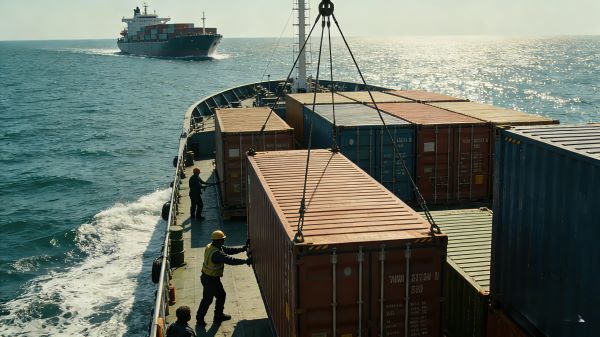
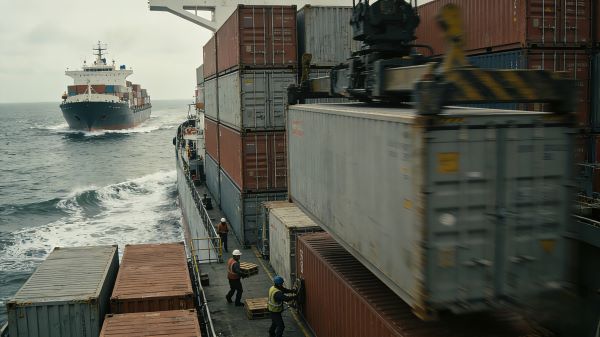
The THC Fee, or Terminal Handling Charge, is a fee levied by terminal operators to cover the costs of loading, unloading, storing, and handling containers at ports or terminals. It is a standard component of international shipping costs and applies to both import and export shipments across most global ports. This fee is separate from ocean freight and covers specific terminal-related operations that ensure cargo moves smoothly between vessels and land transport.
Unlike ocean freight, which is typically determined by carriers based on routes and cargo volume, the THC Fee is set by terminal operators, who incur costs for labor, equipment maintenance, storage facilities, and terminal infrastructure. These costs are passed on to forwarders and, ultimately, to shippers, making the THC Fee a non-negotiable part of the shipping process in many regions.
Forwarders should note that the THC Fee is not a hidden cost but a transparent charge that varies by region, terminal, and container type. Failing to account for it accurately in quotes can lead to unexpected expenses and strained relationships with clients, especially in competitive markets where price accuracy is a key differentiator.
Why Is the THC Fee Charged? Breaking Down Its Purpose
The primary purpose of the THC Fee is to compensate terminal operators for the resources and labor required to handle containers at ports. Terminals are complex facilities that require significant investment in cranes, forklifts, storage yards, and skilled personnel to manage the constant flow of cargo. The fee ensures these operations remain sustainable and efficient.
According to UNCTAD 2025 Q1 data, global maritime trade is projected to grow by 0.7% in 2025, a slight uptick from the 0.5% growth recorded in 2024, as geopolitical tensions ease slightly but supply chain disruptions persist. This slow growth has continued to put pressure on terminal operators to maintain profitability while managing rising labor and infrastructure costs, making the THC Fee an even more critical revenue stream for these facilities.
Another key reason for the THC Fee is to cover the cost of compliance with international safety and security standards. Terminals must adhere to regulations such as the International Ship and Port Facility Security (ISPS) Code, which requires ongoing investments in security infrastructure, personnel training, and surveillance systems. These compliance costs are integrated into the THC Fee, ensuring terminals meet global safety requirements and maintain operational legitimacy.
A common mistake is for forwarders to assume the THC Fee is included in ocean freight. This misunderstanding often leads to disputes when clients receive unexpected charges, highlighting the importance of clearly separating these costs in quotes and communications. Forwarders should proactively explain the purpose of the THC Fee to clients to manage expectations and build trust.
What Factors Influence the Cost of the THC Fee?
The THC Fee is not a fixed rate and varies based on several key factors, including terminal location, container type, cargo volume, and regional regulations. Understanding these factors allows forwarders to anticipate cost fluctuations and provide more accurate quotes to clients.
Terminal Location: A Major Cost Driver
Terminals in major global hubs, such as Shanghai, Singapore, and Rotterdam, often have higher THC Fees due to higher operational costs, including labor, land, and infrastructure maintenance. For example, the Shanghai International Port Group’s 2025 Q1 data shows that the THC Fee for a 20GP container is approximately $185, while smaller regional ports in Southeast Asia may charge $125–$155 for the same container type. Terminals in high-cost regions like Western Europe also tend to have higher fees, with Rotterdam’s 2025 THC Fee for a 40GP container averaging $320.
Container Type and Size: Tailored Pricing
The THC Fee is typically calculated based on container size, with 20GP, 40GP, and 40HC containers having different rates. Refrigerated containers (reefers) and hazardous cargo containers (IMO class 1–9) often incur higher THC Fees due to the additional handling requirements, such as temperature control, specialized storage, and compliance with hazardous materials regulations. For instance, a 40HC reefer container may have a THC Fee 30–40% higher than a standard 40HC container at most major ports.
Cargo Volume and Frequency: Volume Discount Opportunities
Forwarders that handle large volumes of cargo with a terminal may be eligible for volume discounts, as terminal operators often offer reduced rates to high-volume clients to secure long-term business. This is a common strategy used by forwarders to lower costs and improve profit margins, especially for long-term client partnerships with consistent shipping volumes. For example, forwarders handling over 500 containers per month through a single terminal may negotiate a 5–10% discount on THC Fees.
Regional Regulations and Policies: Compliance Impact
Some regions have specific regulations that impact the THC Fee. For example, in China, the General Administration of Customs (GAC) clarified in 2024 that destination THC (DTHC) for imported goods is not included in the dutiable value of the cargo, which affects how forwarders account for the fee in import transactions. Additionally, the European Union’s Port Services Regulation (PSR) mandates that terminal operators publish THC Fee rates publicly, while some countries like Brazil have government-mandated caps on THC Fees to protect shippers from excessive charges.
Terminal Infrastructure and Services: Efficiency vs. Cost
Terminals with advanced infrastructure, such as automated stacking cranes (ASCs), digital tracking systems, and on-dock rail connections, may charge higher THC Fees to cover the cost of these investments. However, these terminals often offer faster handling times (e.g., 24–48 hours for container processing) and lower dwell times, which can reduce overall shipping delays and offset the higher fee for forwarders and clients.
How Is the THC Fee Different from Other Terminal-Related Costs?
Forwarders often confuse the THC Fee with other terminal-related costs, such as storage fees, demurrage, and detention. It is critical to distinguish between these fees to avoid overcharging clients or absorbing unexpected costs.
THC Fee vs. Storage Fees
The THC Fee specifically covers the handling of containers at the terminal, including loading and unloading from vessels, moving containers to and from storage yards, and basic inspection. In contrast, storage fees (also known as yard storage fees) are charged for keeping containers at the terminal beyond the free storage period, which is typically 3–7 days for most ports. Storage fees are usually calculated on a per-day basis and increase after the free period expires.
THC Fee vs. Demurrage and Detention Fees
Demurrage fees are charged by carriers for delays in returning empty containers to the terminal after delivery, while detention fees are charged by terminal operators for delays in picking up loaded containers from the terminal. Unlike the THC Fee, which is a one-time charge for handling, demurrage and detention fees are punitive and accumulate over time, making them a significant cost risk for forwarders if not managed properly.
According to Drewry’s 2025 Container Terminal Handling Cost Report, the average THC Fee accounts for 12–16% of total terminal-related costs, making it one of the largest single expenses for forwarders. This highlights the importance of accurately distinguishing the THC Fee from other costs to ensure proper cost allocation and pricing.
The recommended approach is for forwarders to create a clear breakdown of all terminal-related costs in their quotes, explicitly labeling the THC Fee and explaining its purpose. This transparency helps clients understand the total cost of shipping and reduces the likelihood of disputes.
How Do FOB and CIF Terms Impact Who Pays the THC Fee?
The responsibility for paying the THC Fee depends on the trade terms agreed upon between the shipper and consignee, with FOB (Free On Board) and CIF (Cost, Insurance, and Freight) being the most common terms used in international trade, as defined by the Incoterms 2020 rules.
FOB Terms: THC Fee Responsibility
Under FOB terms, the shipper is responsible for delivering the cargo to the port of origin and loading it onto the vessel. In this case, the shipper typically pays the origin terminal’s THC Fee (OTHC), while the consignee is responsible for the destination terminal’s THC Fee (DTHC). This is because the shipper’s obligation ends once the cargo is on board the vessel, and the consignee takes over responsibility for the cargo from that point.
CIF Terms: THC Fee Responsibility
Under CIF terms, the shipper is responsible for covering the cost of the goods, insurance, and ocean freight to the destination port. In most cases, the shipper also pays the origin THC Fee (OTHC), but the responsibility for the DTHC varies by region and agreement. Some CIF contracts specify that the shipper covers the DTHC, while others require the consignee to pay it. Forwarders should note that clarity in trade terms is essential to avoid confusion about who is responsible for the THC Fee.
A common mistake is for forwarders to assume the shipper will pay all THC Fees under CIF terms. This can lead to disputes if the consignee refuses to pay the DTHC, leaving the forwarder to cover the cost. The recommended approach is to explicitly state in the contract who is responsible for each THC Fee, whether origin or destination, to avoid misunderstandings.
What Are the Latest Trends in THC Fee Pricing (2024–2025)?
The THC Fee landscape is constantly evolving, with several key trends emerging in 2024–2025 that forwarders should be aware of to stay competitive and manage costs effectively.
Gradual THC Fee Increases at Major Ports
One notable trend is the gradual increase in THC Fees at major ports due to rising operational costs. According to the Freightos Baltic Index (FBX) 2025 Q1 report, THC Fees at top global ports have increased by an average of 6–9% compared to 2024, driven by higher labor costs (up 8–10% in major markets), inflation, and investments in terminal automation. This increase is expected to continue through 2025, especially at ports facing capacity constraints, such as Los Angeles and Hamburg.
Digitalization of THC Fee Management
Another trend is the growing adoption of digital tools to streamline THC Fee management. Many terminal operators, including PSA International and DP World, now offer digital platforms that allow forwarders to view real-time THC Fee rates, track cargo handling status, and process payments online. This digitization reduces administrative errors, speeds up transaction times, and improves efficiency, helping forwarders save time and reduce operational costs.
Increased Transparency in THC Fee Pricing
Additionally, there is a growing focus on transparency in THC Fee pricing. Regulatory bodies in several countries, including the EU, China, and the United States, are pushing for more clarity in terminal pricing, requiring terminal operators to publish THC Fee rates publicly and provide detailed breakdowns of costs (e.g., labor, equipment, compliance). This transparency benefits forwarders by allowing them to compare rates across terminals and negotiate better terms with terminal operators.
Forwarders should note that staying updated on these trends is essential to maintaining profitability. By monitoring THC Fee increases, adopting digital tools, and leveraging transparency to negotiate better rates, forwarders can mitigate the impact of rising costs and provide more competitive services to clients.
Best Practices for Forwarders to Manage THC Fees Effectively
Effectively managing THC Fees is critical for forwarders to maintain accurate pricing, reduce disputes, and improve client satisfaction. The following best practices are often used by forwarders to optimize THC Fee management and enhance operational efficiency.
Verify THC Fee Rates Before Quoting: Always check the latest THC Fee rates from the relevant terminal operator before providing a quote to a client. Terminal rates can change quarterly, so relying on outdated information can lead to underquoting and lost profits. The recommended approach is to establish direct relationships with terminal operators or use reliable digital platforms (e.g., CargoSmart, INTTRA) to access real-time rates.
Clearly Communicate THC Fees to Clients: Transparency is key when it comes to THC Fees. Explicitly include the THC Fee in quotes, separate from ocean freight and other costs, and explain its purpose to clients. This helps manage client expectations and reduces the likelihood of disputes over unexpected charges.
Negotiate Volume Discounts: If your forwarder business handles large volumes of cargo through a specific terminal, negotiate volume discounts with the terminal operator. Many terminals are willing to offer reduced THC Fees to high-volume clients, which can significantly lower your overall costs and improve profit margins.
Understand Trade Terms and Responsibility: Ensure you have a clear understanding of the trade terms (FOB, CIF, etc.) as per Incoterms 2020 and who is responsible for paying the THC Fee. Explicitly state this responsibility in contracts to avoid confusion between shippers and consignees, and to protect your business from unexpected costs.
Track and Analyze THC Fee Expenses: Regularly track and analyze your THC Fee expenses to identify trends and opportunities for cost savings. This can include comparing rates across terminals, identifying high-cost routes, and adjusting your client pricing strategy accordingly. Many forwarders use SaaS tools (e.g., Descartes, BluJay Solutions) to automate this process, making it easier to manage and analyze costs.
Stay Updated on Regulatory Changes: Regulatory changes can impact THC Fee pricing and responsibility. Stay informed about changes in local and international regulations, such as government-mandated fee caps or changes to dutiable value rules, to ensure compliance and avoid costly mistakes.
Common Pitfalls Forwarders Face with THC Fees (and How to Avoid Them)
Even experienced forwarders can make mistakes when dealing with THC Fees, which can lead to financial losses and damaged client relationships. Understanding these common pitfalls and how to avoid them is essential for long-term success.
Pitfall 1: Failing to Account for DTHC in Import Quotes
A common mistake is failing to account for the DTHC in import quotes. Many forwarders focus on the origin THC Fee but forget to include the DTHC, which can result in unexpected costs for the client or the forwarder. To avoid this, always confirm the DTHC rate for the destination port with the local terminal operator and include it in the quote if the client is responsible for it.
Pitfall 2: Assuming Uniform THC Fees Across Terminals
Another common pitfall is assuming all terminals charge the same THC Fee. Rates can vary significantly between terminals, even in the same region. For example, in the United States, the THC Fee for a 20GP container at the Port of Los Angeles is approximately $190, while at the Port of Houston, it is around $175. Forwarders should compare rates across multiple terminals to find the most cost-effective option for their clients, rather than relying on a single terminal.
Pitfall 3: Relying on Outdated THC Fee Rates
Forwarders should note that relying on outdated THC Fee rates is a costly mistake. Terminal operators often adjust rates quarterly to reflect changes in operational costs, so using old rates can lead to underquoting or overquoting. The recommended approach is to set up reminders to check for rate updates (e.g., monthly) and integrate real-time rate data into your quoting process.
Pitfall 4: Not Documenting THC Fee Responsibility
Finally, many forwarders fail to document the THC Fee responsibility in writing. Verbal agreements about who pays the THC Fee can lead to disputes, especially if there is a misunderstanding between the shipper and consignee. Always include the THC Fee responsibility in the contract or quote document to protect your business and avoid costly legal disputes.
How Does the THC Fee Impact Forwarder Profitability?
The THC Fee is a significant cost component for forwarders, and mismanaging it can directly impact profitability. For many forwarders, THC Fees account for 12–16% of total operational costs, making it one of the largest expenses after ocean freight.
Impact of Accurate vs. Inaccurate Quoting
Accurately accounting for the THC Fee in quotes is essential to maintaining profit margins. Underquoting the THC Fee can lead to lost profits, as the forwarder may have to absorb the difference between the quoted rate and the actual fee. Overquoting, on the other hand, can make the forwarder less competitive in the market, leading to lost clients to competitors with more accurate pricing.
Data on THC Fee Mismanagement
According to a 2025 survey of 500 global forwarders conducted by the International Federation of Freight Forwarders Associations (FIATA), 72% of respondents reported that THC Fee mismanagement had a negative impact on their profitability, with 45% stating that underquoting was the primary issue. This highlights the importance of accurate THC Fee management for forwarder success.
Strategies to Improve Profitability Through THC Fee Management
The recommended approach is to implement a robust cost-tracking system that includes real-time THC Fee rates, automated quote generation, and regular expense analysis. This system can help forwarders accurately account for THC Fees, identify cost-saving opportunities, and maintain competitive pricing while protecting profit margins.
Additionally, forwarders can improve profitability by negotiating better THC Fee rates with terminal operators, leveraging volume discounts, and passing on accurate costs to clients. Transparent communication with clients about the THC Fee also helps build trust, leading to long-term partnerships that contribute to sustained profitability.
In conclusion, the THC Fee is a critical component of international shipping costs that forwarders cannot afford to overlook. By understanding what the THC Fee is, why it is charged, and how it impacts their operations, forwarders can provide accurate quotes, avoid disputes, and maintain profitability. From tracking the latest rate trends to negotiating volume discounts and clearly communicating with clients, effective THC Fee management is essential for success in the global freight forwarding industry. As the industry continues to evolve, forwarders who prioritize THC Fee transparency and efficiency will be better positioned to navigate challenges and capitalize on opportunities, ensuring the THC Fee remains a manageable part of their operational costs.
Last
Dispute Resolution: Why Does the THC Fee Vary Across Ports?
In the global freight forwarding industry, THC Fee (Terminal Handling Charge) disputes are common, often stemming from inconsisten
Next
Avoiding Hidden Costs: Explaining the Ocean Freight Charges Breakdown
For global freight forwarders, mastering the Ocean Freight Charges Breakdown is a critical step to avoiding hidden costs that erod

