




In the complex landscape of international freight forwarding, efficient drayage management is critical to streamlining the Container Pickup Process at ports, as delays in this stage can disrupt the entire supply chain and increase operational costs for forwarders worldwide.
What Is Drayage Management in the Context of Container Pickup?
Drayage management refers to the coordination and oversight of short-haul trucking services that move containers between ports, terminals, warehouses, and other nearby locations, with a focus on optimizing the Container Pickup Process. It involves planning, scheduling, and monitoring every step to ensure timely and cost-effective delivery.
For global freight forwarders, drayage management is not just about arranging trucking; it is a strategic component that directly impacts customer satisfaction and profitability. A smooth drayage operation ensures that containers are picked up from ports without unnecessary delays, reducing detention and demurrage fees that often eat into profit margins.
According to UNCTAD 2025 data, inefficient drayage and container pickup processes account for approximately 31% of port-related delays globally, highlighting the importance of effective management in this area. Forwarders should note that drayage management is closely intertwined with the Container Pickup Process, as even minor inefficiencies in scheduling or communication can lead to significant bottlenecks.
For example, a delayed truck arrival at the port can result in containers being held longer, increasing fees and delaying the entire supply chain. This interdependency means that forwarders must prioritize drayage management as part of their end-to-end supply chain strategy.
Why Is Expediting the Container Pickup Process Critical for Global Forwarders?
Expediting the Container Pickup Process is critical for global forwarders because it minimizes costs, improves supply chain reliability, and enhances customer trust. In an industry where timeliness is a key competitive factor, delays in pickup can lead to lost business and damaged reputations.
The global shipping industry faces ongoing challenges that make expedited pickup even more important. According to Drewry’s 2026 Global Container Shipping Report (Q1), port congestion remains a persistent issue, with an average of 16% of container ships experiencing delays of more than 24 hours at major ports. These delays often spill over into the Container Pickup Process, as trucks wait hours to access and retrieve containers.
A common mistake is underestimating the impact of delayed container pickup on overall supply chain efficiency. Many forwarders focus heavily on ocean freight rates and overlook the costs associated with detention, demurrage, and truck idling at ports.
According to the Shanghai Shipping Exchange 2025 data, the average detention fee per container per day is $92, and demurrage fees average $128 per day—costs that can quickly accumulate if the pickup process is not expedited. Additionally, in a market where customers increasingly demand end-to-end supply chain visibility, expediting the Container Pickup Process allows forwarders to provide accurate delivery timelines and meet customer expectations.
This level of reliability is often a key differentiator for forwarders competing in the global market, as it helps build long-term customer loyalty and repeat business.
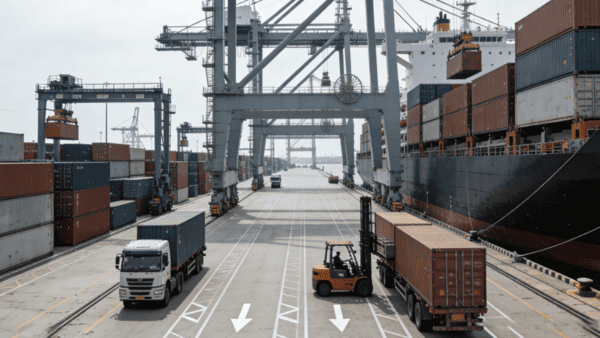
What Are the Key Stages of the Container Pickup Process at Ports?
The Container Pickup Process at ports consists of several interconnected stages, each of which plays a vital role in ensuring efficiency. These stages range from pre-pickup preparation to post-pickup documentation, and any breakdown in one stage can cause delays.
Pre-Pickup Documentation Verification: Before initiating pickup, forwarders must verify all necessary documentation, including the bill of lading (B/L), customs clearance documents, and container release orders. This step ensures that the truck driver has the authority to retrieve the container and that all regulatory requirements are met.
Appointment Scheduling with the Port Terminal: Most major ports require forwarders or trucking companies to schedule an appointment for container pickup. This helps ports manage traffic flow and reduce congestion, but it requires careful planning to avoid missed time slots.
Truck Dispatch and Arrival at the Port: Once documentation is verified and an appointment is scheduled, the truck is dispatched to the port. The driver must arrive on time to avoid missing the appointment, which can result in long wait times or rescheduling.
Container Location Identification and Retrieval: Upon arrival at the port, the driver must locate the container using the terminal’s tracking system. Port terminals often use automated stacking cranes (ASCs) or reach stackers to retrieve containers, and delays in this step can occur if the container is mislocated or if equipment is unavailable.
Container Inspection and Loading: Before loading the container onto the truck, the driver and terminal staff inspect the container for damage, leaks, or other issues. This inspection is critical to avoid liability for damage that occurred before pickup.
Post-Pickup Documentation and Confirmation: After the container is loaded, the driver signs the necessary documentation to confirm pickup, and the forwarder is notified that the container is in transit. This step ensures that all parties have a record of the pickup and that the supply chain can proceed smoothly.
How Can Forwarders Overcome Common Bottlenecks in the Container Pickup Process?
Forwarders can overcome common bottlenecks in the Container Pickup Process by implementing strategic solutions that address documentation inefficiencies, appointment scheduling issues, and communication gaps. Proactive planning and technology adoption are key to resolving these challenges.
Addressing Documentation Inefficiencies
Documentation errors are one of the most common causes of delays in the Container Pickup Process. Missing or incorrect documents can result in the driver being denied access to the container, leading to rescheduled pickups and additional costs.
The recommended approach is to implement a digital documentation management system that centralizes all necessary documents, including B/Ls, customs clearance forms, and release orders. This system should allow forwarders to verify documents in real time, ensuring that all information is accurate and complete before dispatching the truck.
According to Freightos 2025 data, forwarders that use digital documentation systems reduce documentation-related delays by an average of 38%. Forwarders should note that working closely with customs brokers and port authorities can also help reduce documentation errors.
Customs brokers can provide guidance on regulatory requirements, ensuring that all documents comply with local and international standards, such as the International Convention for the Safety of Life at Sea (SOLAS) and customs regulations of the destination country.
Optimizing Appointment Scheduling
Missed or delayed appointments at port terminals are another major bottleneck in the Container Pickup Process. Many ports have strict appointment windows, and missing a window can result in the driver waiting for hours or even days to retrieve the container.
Use Terminal Appointment Systems: Most major ports offer online appointment systems that allow forwarders to schedule pickups in advance. Forwarders should use these systems to book appointments as soon as the container arrives at the port, rather than waiting until the last minute.
Build Buffers into Schedules: When scheduling appointments, forwarders should account for potential delays, such as traffic or unexpected port closures. Building a 30-60 minute buffer into the schedule can help ensure that the driver arrives on time.
Coordinate with Trucking Partners: Forwarders should maintain open communication with their trucking partners to ensure that drivers are aware of appointment times and any changes to the schedule. This coordination can help avoid miscommunication and missed appointments.
Improving Communication Between Stakeholders
Poor communication between forwarders, trucking companies, port terminals, and customs authorities can lead to significant delays in the Container Pickup Process. Miscommunication about container locations, documentation requirements, or appointment times can disrupt the entire operation.
The recommended approach is to use a centralized communication platform that connects all stakeholders involved in the Container Pickup Process. This platform should allow for real-time updates, including container arrival status, appointment times, and any issues that arise.
For example, if a container is delayed at customs, the forwarder, truck driver, and terminal can be notified immediately, allowing for quick adjustments to the pickup schedule. A common mistake is relying solely on email or phone calls for communication, which can be slow and prone to misinterpretation.
By using a digital communication platform, forwarders can ensure that all stakeholders have access to the same information, reducing the risk of delays and improving overall process efficiency.
What Role Does Technology Play in Expediting the Container Pickup Process?
Technology plays a crucial role in expediting the Container Pickup Process by improving visibility, streamlining communication, and automating manual tasks. Forwarders that adopt the right technologies can significantly reduce delays and improve overall efficiency.
Real-Time Tracking and Visibility Tools
Real-time tracking and visibility tools allow forwarders to monitor the status of the Container Pickup Process from start to finish. These tools provide updates on container location, truck arrival time, and any delays, allowing forwarders to proactively address issues before they escalate.
According to UNCTAD 2025 data, forwarders that use real-time tracking tools reduce pickup delays by an average of 42% compared to those that rely on manual tracking methods. These tools also provide customers with greater visibility into their shipments, improving customer satisfaction and trust.
Forwarders should note that not all tracking tools are the same. It is important to choose a tool that integrates with port terminal systems, trucking company software, and customs databases to provide a comprehensive view of the Container Pickup Process.
Key features to look for include GPS tracking for trucks, container status updates from terminals, and customizable alerts for delays or disruptions.
Automated Scheduling and Dispatching Software
Automated scheduling and dispatching software helps forwarders optimize the Container Pickup Process by streamlining appointment booking, truck dispatch, and route planning. This software uses algorithms to assign the most efficient routes and schedules, reducing truck idling time and improving on-time performance.
The recommended approach is to use software that integrates with port appointment systems and trucking company fleets. This integration allows for automatic appointment booking, real-time route adjustments, and instant notifications to drivers about changes to the schedule.
According to a 2025 survey by the International Federation of Freight Forwarders Associations (FIATA), forwarders that use automated scheduling software report a 28% increase in on-time pickup rates, along with a 15% reduction in trucking costs.
Blockchain Technology for Documentation
Blockchain technology is emerging as a powerful tool for streamlining documentation in the Container Pickup Process. By creating a secure, immutable record of all documents, blockchain reduces the risk of errors, fraud, and delays associated with manual documentation.
For example, blockchain can be used to store and share bills of lading, customs clearance documents, and container release orders, allowing all stakeholders to access the same information in real time. This eliminates the need for manual document verification and reduces the risk of lost or misplaced documents.
According to a 2025 report by the World Economic Forum (WEF), blockchain technology can reduce documentation-related delays in the Container Pickup Process by up to 53%, while also reducing the risk of document fraud by 70%.
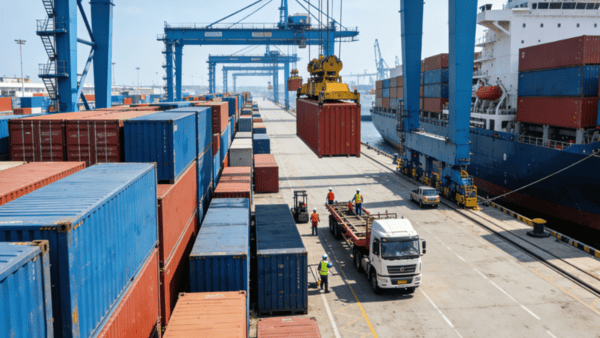
How Can Forwarders Collaborate with Port Terminals to Expedite Pickup?
Collaboration between forwarders and port terminals is essential to expediting the Container Pickup Process. By working together, both parties can identify inefficiencies and implement solutions that benefit the entire supply chain.
Participate in Port Community Systems (PCS): Port Community Systems are digital platforms that connect all stakeholders at a port, including forwarders, terminals, customs, and trucking companies. By participating in a PCS, forwarders can access real-time information about container status, port congestion, and appointment availability, allowing for better planning.
Establish Direct Communication Channels: Forwarders should establish direct communication channels with port terminal managers and staff. This allows for quick resolution of issues, such as container mislocation or equipment breakdowns, which can cause delays in the Container Pickup Process.
Provide Feedback on Process Inefficiencies: Forwarders are on the front lines of the Container Pickup Process and often have valuable insights into inefficiencies at the port. By providing feedback to terminal managers, forwarders can help improve processes, such as appointment scheduling or container retrieval.
Adopt Port-Recommended Technologies: Many port terminals are investing in new technologies to improve efficiency, such as automated container tracking systems or contactless pickup processes. Forwarders should adopt these technologies to align with port operations and expedite the Container Pickup Process.
A notable example of successful collaboration is the Empty Container Smooth Intelligent Supervision model implemented at Qingdao Port in 2025. According to Qingdao Customs data, this model reduced the release time for empty containers from 1.5 days to 5 minutes, allowing forwarders to expedite the Container Pickup Process significantly.
By collaborating with the port and adopting the new supervision model, forwarders operating at Qingdao Port reduced detention fees by an average of 72% and improved on-time pickup rates by 37%.
What Are the Cost Implications of Inefficient Container Pickup Processes?
Inefficient Container Pickup Processes can have significant cost implications for global forwarders, including detention and demurrage fees, increased trucking costs, and lost business opportunities. Understanding these costs is critical to justifying investments in drayage management and process optimization.
According to the Shanghai Shipping Exchange 2025 data, the average cost of detention and demurrage fees for a single container is $218 per day. For forwarders handling hundreds or thousands of containers per month, these fees can add up to millions of dollars in unnecessary costs.
Additionally, truck idling at ports due to delays can increase fuel costs by 17-22% per trip, further eroding profit margins. A common mistake is failing to track these costs accurately, which makes it difficult to justify investments in process optimization.
Forwarders should implement a cost-tracking system that monitors detention, demurrage, trucking, and other expenses related to the Container Pickup Process. This system can help identify areas where inefficiencies are occurring and where improvements can be made.
The recommended approach is to allocate a portion of the budget to improving drayage management and the Container Pickup Process. Investments in technology, staff training, and collaboration with port terminals can lead to significant cost savings over time.
For example, forwarders that invest in real-time tracking tools and automated scheduling software often recoup their investment within 6-12 months through reduced fees and improved efficiency.
What Best Practices Should Forwarders Adopt to Expedite the Container Pickup Process?
Forwarders should adopt a set of best practices to expedite the Container Pickup Process, including proactive planning, technology adoption, stakeholder collaboration, and continuous improvement. These practices can help reduce delays, lower costs, and improve overall supply chain efficiency.
Proactive Planning and Preparation: Forwarders should start planning the Container Pickup Process as soon as the container is loaded onto the ship. This includes verifying documentation, scheduling appointments, and coordinating with trucking partners to ensure that all steps are in place before the container arrives at the port.
Invest in Employee Training: Staff involved in drayage management and the Container Pickup Process should receive regular training on port procedures, documentation requirements, and technology tools. This training ensures that employees have the knowledge and skills to handle any issues that arise.
Monitor Key Performance Indicators (KPIs): Forwarders should track KPIs related to the Container Pickup Process, such as on-time pickup rate, average pickup time, and detention/demurrage costs. This data can help identify inefficiencies and measure the impact of process improvements.
Continuously Evaluate and Improve Processes: The Container Pickup Process is constantly evolving, and forwarders should regularly evaluate their operations to identify areas for improvement. This includes gathering feedback from stakeholders, analyzing KPI data, and adopting new technologies or processes that can enhance efficiency.
Build Strong Relationships with Partners: Forwarders should build strong relationships with trucking companies, port terminals, customs brokers, and other stakeholders involved in the Container Pickup Process. These relationships can help resolve issues quickly and ensure that all parties are working towards the same goal of expediting pickup.
Forwarders should note that there is no one-size-fits-all solution for expediting the Container Pickup Process. The best approach will vary depending on the port, the type of containers being transported, and the specific needs of the forwarder and its customers.
However, by adopting these best practices and staying proactive, forwarders can significantly improve the efficiency of their drayage operations and the Container Pickup Process, gaining a competitive edge in the global freight forwarding market.
In conclusion, efficient drayage management is essential for expediting the Container Pickup Process at ports, which is a critical component of global freight forwarding operations. By understanding the key stages of the process, overcoming common bottlenecks, adopting technology, collaborating with port terminals, and following best practices, forwarders can reduce delays, lower costs, and improve customer satisfaction.
As the global shipping industry continues to evolve, forwarders that prioritize the Container Pickup Process and invest in its optimization will be better positioned to succeed in a competitive market.
Last
Reducing Trucking Idle Time During the Container Pickup Process
Trucking idle time is a persistent challenge in the Container Pickup Process, draining forwarders’ profits and hindering supply ch
Next
Safety Standards: The Forwarder's Role in the Container Loading Process
In the global freight forwarding industry, adhering to strict safety standards during the Container Loading Process is non-negotia

